
Worried About Your Tendonitis Treatment?
Tendonitis is a common condition caused by inflammation of a tendon, which is the thick cord of tissue that connects muscle to bone. The condition is especially common in athletes, manual workers, and individuals who perform repetitive or physically demanding motions. Tendonitis happens in an instant, often after long periods of physical activity. Other times, the pain can be chronic, persisting for months and limiting daily function. Chronic tendonitis can be worrying and needs a plan to address symptoms. The good news is that there are ways to manage pain without surgery. Sometimes, a single therapy or a combination of strategies is all that is necessary for long-term relief. Knowing the best way to treat tendonitis without surgery requires consistency and an individual approach.
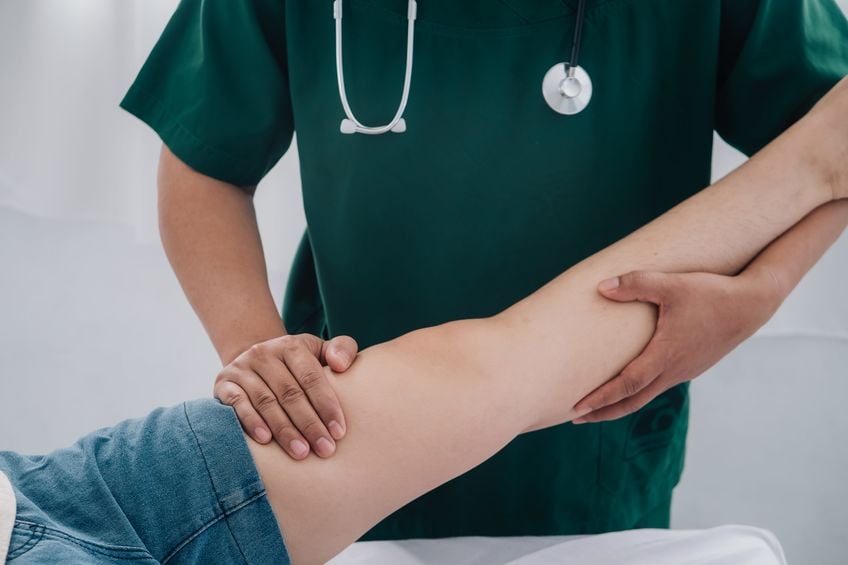
The physical therapy foundation
Physical therapy (PT) is arguably the most effective form of treatment for tendonitis. Before proceeding with PT, individuals with symptoms of tendonitis should seek confirmation and diagnosis from a doctor. Once tendonitis is diagnosed, PT involves a series of exercises to strengthen the affected tendon and surrounding muscles. These exercises may increase in intensity or progressively add weight. The goal is to improve tendon resilience, reduce pain, and increase the range of motion (ROM) over time. Physical therapists also address contributing factors such as poor biomechanics, muscle imbalances, and limited flexibility. While PT can take time to produce results, individuals who use PT consistently can address chronic tendonitis without surgery.
Pain management with medication
Pain and inflammation are common symptoms of tendonitis. Non-surgical pain management options can help reduce discomfort while the tendon heals. Nonsteroidal anti-inflammatory drugs (NSAIDs), for instance, may provide short-term relief. This medication is easily accessible in over-the-counter forms or stronger prescriptions. While effective in the short term, NSAIDs do not address underlying tendon degeneration. Pain medication can also come in topical form and can be combined with bracing or supportive taping for improved results. Injectable corticosteroids can provide even more effective relief that lasts several months.
Hot and cold therapy
For mild cases of tendonitis, temperature therapy is an effective way to get immediate relief. This is the process of applying hot or cold temperatures directly to the affected area. An ice pack, for instance, can help constrict blood vessels and numb pain. Cold therapy must be used within 48 hours of pain or flare-up to be effective. Apply the ice pack for 15-20 minutes at 6-hour intervals or as advised by a medical professional. After using ice packs for up to 3 days, switch to heat therapy. A heating pad, a warm cloth wrapped around the tendon, or even a hot shower helps. Heat promotes blood flow and relaxes muscles while supporting healing. For the best results, apply for short 15–20-minute intervals multiple times a day. Temperature therapy, when combined with PT, can be an effective, non-surgical option.
The power of PRP
For more severe cases of tendonitis, doctors recommend regenerative medicine as a non-surgical option for healing. Regenerative medicine uses the body’s natural healing factors to reduce inflammation and even regenerate tissue. Platelet-rich plasma (PRP) is a typical example. This form of regenerative medicine involves using a patient’s own blood components to deliver growth factors directly to the damaged tendon. When done consistently, PRP promotes tissue repair, reduces pain, and may help patients avoid surgery. Stem cell therapy is another option that uses growth factors extracted from bone marrow to improve healing and regenerate tissue.
Lifestyle modifications matter
Making some simple changes to daily activities limit pain and help with tendon recovery. Nutrition, sleep, and overall health play a role in tendon recovery. Diet also matters, with adequate protein intake supporting tissue repair. Nutrients such as vitamin C and collagen also contribute to tendon structure. Studies show that managing underlying conditions such as diabetes or obesity can also improve healing capacity. These systemic factors often influence how well the body responds to treatment. Continuing the same repetitive activity that caused tendonitis can delay healing. Making adjustments to activity manages the load on the tendons and gives more time to rest.
The best approach
There are multiple non-surgical strategies available to treat tendonitis. From pain medication to PT and regenerative medicine, each option has shown promise. At the same time, tendonitis impacts each patient differently, so some options work better than others. In many cases, a combination of these non-surgical treatments is the best course of action. Consistency, rest, and constant monitoring will produce results. If pain continues, however, the medical team will consider surgery. Minimally invasive surgery can address tendonitis with little damage to surrounding tissue. When tendon pain becomes excessive, seek medical attention.
Recent Blogs
Knee Replacement: Can Regenerative Medicine Help You Avoid Major Surgery?
RIO Orthopedic2026-09-15T17:28:42-05:00September 17th, 2026|
Collarbone Surgery: 3 Signs You Need Surgical Repair For A Clavicle Fracture
RIO Orthopedic2026-09-10T12:12:40-05:00September 10th, 2026|
Achilles Tendon Repair Recovery: The Critical Role Of Physical Therapy
RIO Orthopedic2026-09-10T12:12:58-05:00September 3rd, 2026|