
Can PRP Help With Sports Recovery?
The athletes who perform the best and stay active the longest focus on recovery. An optimal recovery routine extends the careers of high-performance athletes and helps weekend warriors enjoy sports for years. Recovery is more than just sleeping and stretching. Finding ways to reduce inflammation and tissue damage also matters. Recovery becomes even more critical should a sports injury occur, with the right routine helping athletes return to sport faster. Recently, athletes have been integrating platelet-rich plasma (PRP) therapy into healing and recovery protocols. When performed correctly and consistently, PRP therapy may offer long-term benefits for athletes.
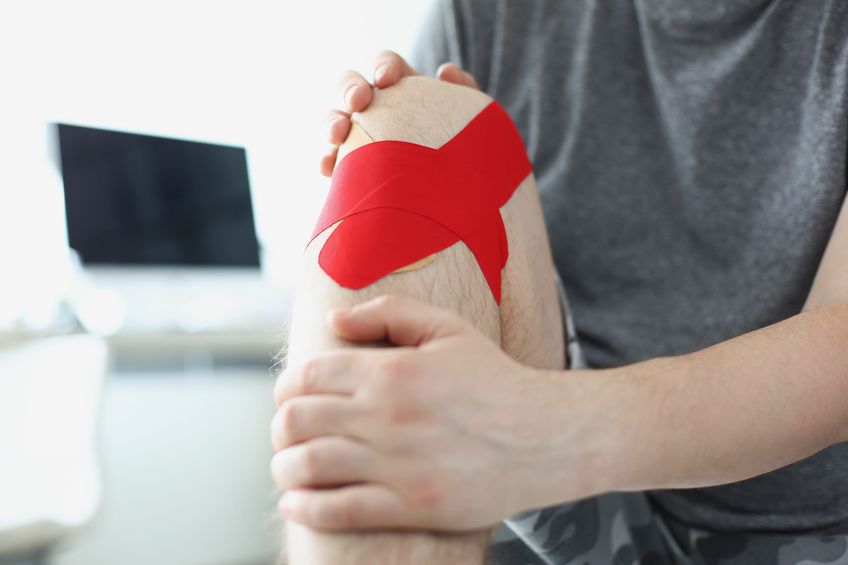
How PRP works
Platelet-rich plasma therapy falls under the umbrella of regenerative medicine. This innovative form of medicine uses the body’s natural healing factors to reduce inflammation, accelerate healing, and even improve tissue growth. When a person is injured or a joint or muscle becomes inflamed, platelets in the blood flood the area to reduce inflammation and begin healing. PRP supercharges this process by extracting more platelets, which are then injected into the injured area. A doctor or specialist takes a blood sample from the athlete. The sample is passed through a centrifuge machine, which separates the platelets, plasma, and red blood cells. Platelets are then combined with plasma and injected into injured or painful areas. When done consistently, PRP therapy can support the healing process.
PRP benefits
Perhaps the biggest benefit of PRP therapy is that the treatment uses the body’s natural healing factors instead of medication manufactured in a pharmaceutical facility. This limits or even eliminates the use of injectable medication or strong oral opioids, preserving long-term joint or muscle health. Concentrated platelets release growth factors that trigger the body’s natural repair. Whether for injury or recovery, the process may help regenerate tissue or improve joint function. PRP is non-invasive and has minimal side effects. The therapy can be used repeatedly, unlike corticosteroids and other medications, which should be used in moderation. By accelerating the natural healing process, PRP can lead to quicker recovery times from injuries or surgery. As a result, PRP can fit seamlessly into any recovery routine.
Does PRP help long-term?
Platelet-rich plasma is not only useful for injuries but also for long-term recovery. Joint wear and tear can accumulate over years of training and competition. PRP therapy may help slow this process by improving the health of cartilage and surrounding tissues. Some athletes have early joint issues from past injuries or procedures like anterior cruciate ligament (ACL) reconstruction. Even though the athlete has returned to playing sports, PRP can support better joint function and potentially delay the need for future surgeries. The long-term benefit when integrated into a recovery routine should not be understated.
Enhancing training recovery
High-performance athletes spend hours per week training before a game or competition. Consistent training requires efficient recovery, so athletes are ready to perform. Some athletes even train through overuse injuries like tennis elbow or runner’s knee. PRP therapy may help reduce downtime by accelerating the healing of micro-injuries that occur during intense physical activity. Periodic PRP injections help athletes reduce inflammation and trigger growth factors faster, optimizing recovery. The long-term benefits extend to reducing the risk of re-injury. PTP also helps athletes recover from ligament or tendon injuries, where incomplete healing can lead to recurring problems.
Mix in PRP today
Recovery is a critical part of athletic performance and injury reduction. Athletes who optimize recovery at any level perform well, feel better after sports, and improve longevity. Recovery happens off the field and can be optimized with strategies like PRP therapy. This innovative treatment represents a shift toward regenerative, performance-focused recovery. PRP addresses the root cause of injury and supports natural healing. While PRP may not address the immediate pain after injury or recovery, the therapy is a commitment to long-term health. Over time, PRP can be just as effective as many similar recovery strategies.
Recent Blogs
Knee Replacement: Can Regenerative Medicine Help You Avoid Major Surgery?
RIO Orthopedic2026-09-15T17:28:42-05:00September 17th, 2026|
Collarbone Surgery: 3 Signs You Need Surgical Repair For A Clavicle Fracture
RIO Orthopedic2026-09-10T12:12:40-05:00September 10th, 2026|
Achilles Tendon Repair Recovery: The Critical Role Of Physical Therapy
RIO Orthopedic2026-09-10T12:12:58-05:00September 3rd, 2026|