
Preparing For Your Labral Repair?
A torn labrum can turn everyday shoulder movement into a source of pain and instability. Statistics show that up to 35% of athletes can experience a torn shoulder. For many of these patients, surgical repair becomes the clearest path back to full function. Labral repair procedures have high success rates. Yet, with many surgeries, success often hinges on patient preparation. The weeks leading up to surgery present an opportunity to get body and mind ready for the best possible recovery. Knowing what genuinely matters before surgery day and how to prepare can improve outcomes. Shoulder surgery with the right preparation helps patients return to activities like sports faster and better.
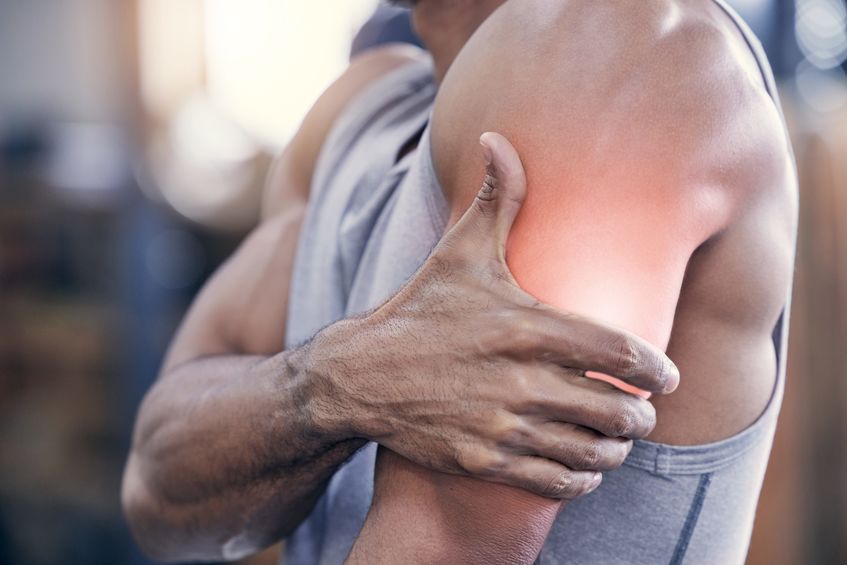
Medical readiness and pre-op planning
Start with a thorough conversation with the orthopedic surgeon. Discuss the specific tear pattern and repair technique. Shoulder surgery options depend on location and severity. The surgeon’s approach can determine physical therapy (PT) strategy and recovery timeline. Disclose all medications and supplements, such as blood thinners, non-steroidal anti-inflammatory drugs (NSAIDs), and certain herbal products. Some medicines need to be stopped 1-2 weeks beforehand to reduce bleeding risk. Smokers should quit several weeks in advance to improve tissue healing. Complete any imaging or clearance testing as soon as possible. Patients with chronic conditions like diabetes or hypertension must secure documented clearance from your physician. Getting everything in place while exploring the surgical technique improves outcomes.
Preparing your body and home
Surgeons recommend strengthening the muscles surrounding your shoulder before surgery. This is a pre-operative process that occurs within pain limits and under guidance from a physical therapist. Preparing the body also involves diet, so start or continue eating a protein-rich, nutrient-dense diet in the weeks prior to surgery. Optimal nutrition gives the body the resources necessary for faster tissue repair. If surgery occurs on the patient’s dominant arm, preparing the home in advance is vital. Start by arranging frequently used items at waist height. Set up a comfortable, partially upright sleeping position since lying flat can be uncomfortable. Stock easy one-handed meals or get support from a friend or loved one. Arrange transportation to and from surgery, and line up help with tasks like driving, dressing, and cooking during your initial recovery. These steps sound simple, but overlooking preparation leads to frustration and increases the risk of damaging the surgical site.
Understanding recovery expectations
Labral repair recovery typically involves several weeks in a sling and a structured physical therapy (PT) program that can extend for months. Get a realistic timeline specific to long-term personal goals and occupations. Athletes should plan treatment based on the expected timeline. Having this plan reduces discouragement and anxiety, especially when progress does not feel instant. Speak with a physio to learn the phases of rehab in advance so there are no surprises. Some patients should even work with a pain management specialist to discuss pain management planning. This includes medication schedules and non-pharmacological options, such as regenerative medicine, oxygen therapy, and acupuncture.
Walk in prepared and confident
The effort patients put into preparation directly shapes how smoothly the surgery and recovery unfold. Get all the details first from surgeons, nurses, physiotherapists, and pain specialists. This detail allows planning of the support system in advance. Start making healthy lifestyle changes, which become easier after surgery. Most of all, be realistic about the journey ahead. Trust that a well-prepared body, a well-prepared home, and a clear understanding of what’s coming helps with shoulder surgery recovery.
Recent Blogs
Knee Replacement: Can Regenerative Medicine Help You Avoid Major Surgery?
RIO Orthopedic2026-09-15T17:28:42-05:00September 17th, 2026|
Collarbone Surgery: 3 Signs You Need Surgical Repair For A Clavicle Fracture
RIO Orthopedic2026-09-10T12:12:40-05:00September 10th, 2026|
Achilles Tendon Repair Recovery: The Critical Role Of Physical Therapy
RIO Orthopedic2026-09-10T12:12:58-05:00September 3rd, 2026|