
Not Your Average Strain
Athletes often push through pain, especially in high-impact sports that involve twisting, sprinting, or sudden direction changes. However, not all groin pain is a typical muscle strain. In some cases, persistent discomfort in the lower abdomen or groin area may signal a sports hernia. Also known as athletic pubalgia, this condition is a soft-tissue injury that does not appear on standard imaging. This injury can limit performance and become chronic without the right treatment.
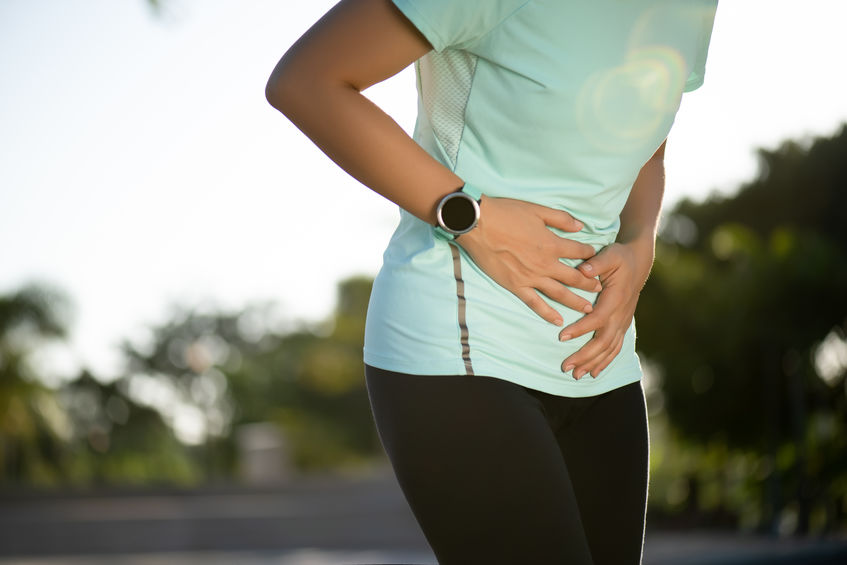
Telltale signs to watch
Unlike a traditional hernia, a sports hernia usually does not cause a visible bulge. Instead, symptoms often include deep, aching pain in the lower abdomen or groin, especially with movement. Pain often worsens with core activity, such as sprinting, kicking, or sit-ups. Some athletes feel better at rest but notice pain flare up again with activity. Coughing or sneezing may also trigger discomfort, a sign that deeper structures are involved.
Why symptoms are confusing
Sports hernia symptoms can mimic other groin issues, which makes diagnosis tricky. A sports hernia is often mistaken for a strained muscle, hip issue, or even a nerve problem. What sets this injury apart is how long the pain lasts and how the injury behaves. If rest, ice, and physical therapy do not lead to real improvement, a deeper soft tissue injury like a sports hernia may be at play.
When to get it checked
Persistent groin or core pain that does not improve after a few weeks of rest deserves a closer look. An orthopedic specialist can help rule out other causes and assess whether a sports hernia may be present. Getting an accurate diagnosis helps avoid prolonged downtime. Athletes should especially take note if pain keeps returning with activity.
The game plan for healing
Treatment often begins conservatively with physical therapy to strengthen surrounding muscles and correct imbalances. Some athletes recover fully without surgery. However, when pain lingers or limits activity, a surgical repair may be recommended to reinforce the damaged tissue. Recovery timelines vary, but most athletes return to play with the right care plan.
Tracking the comeback
Once a treatment plan is in place, tracking symptoms and functional improvement helps guide the return-to-play process. Athletes and providers often work together to evaluate strength, flexibility, and sport-specific movement over time. This ensures that healing is on track and adjustments are made as needed to support a safe recovery.
Lower the risk next time
While not all sports hernias can be prevented, smart training strategies can help lower the risk. Core strengthening, proper warm-ups, and addressing muscle imbalances play a big role in supporting the structures around the pelvis. A well-rounded conditioning plan can reduce the chances of re-injury and keep athletes performing at peak physical performance.
Recovery that lasts
Pushing through groin pain can delay recovery and worsen injuries that are already hard to spot. Recognizing the signs of a sports hernia and knowing when to seek care can help protect long-term performance. Early evaluation and a custom treatment plan give athletes the best shot at a strong, pain-free return to sport.
Recent Blogs
Knee Replacement: Can Regenerative Medicine Help You Avoid Major Surgery?
RIO Orthopedic2026-09-15T17:28:42-05:00September 17th, 2026|
Collarbone Surgery: 3 Signs You Need Surgical Repair For A Clavicle Fracture
RIO Orthopedic2026-09-10T12:12:40-05:00September 10th, 2026|
Achilles Tendon Repair Recovery: The Critical Role Of Physical Therapy
RIO Orthopedic2026-09-10T12:12:58-05:00September 3rd, 2026|