
Keep Hip Recovery Moving Forward
Life after hip replacement often brings mixed feelings. Relief from the old pain is present, but recovery can feel slow, tiring, and sometimes discouraging. Simple tasks like getting up from a chair, bending down, or walking across the room can feel harder than expected. Small habits during the day either help the hip heal or make the road bumpier. Avoiding a few common habits takes pressure off the hip and makes daily life less frustrating.
1. Sitting too long
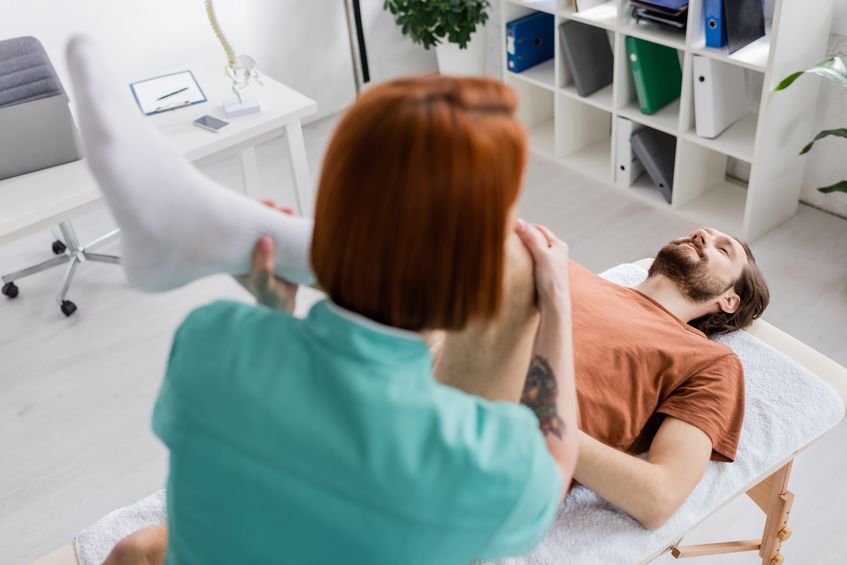
Long stretches in a chair or on the couch may feel restful, but these actions set recovery back. Hours without movement can cause stiffness that makes walking feel tougher. Try standing up every hour, even if only to walk to the kitchen or around the room. Light exercise keeps the blood flowing and helps the hip adjust. Set a reminder on the phone or via a note on the table to make sure the body does not stay still for too long.
2. Pushing past pain
Trying to do too much too soon can backfire. Pushing harder on good days can feel natural, but the hip may not be ready yet. A little soreness is to be expected, but sharp pain is a sign to take things easier. Instead of forcing through the discomfort, take a step back or switch to a lighter activity. Pain that recurs in the same spot should be documented and shared with the physical therapist (PT) or doctor. Getting help right away prevents the hip from suffering more damage
3. Bending and twisting
Reaching to tie shoes, bending to pick up dropped items, or turning too quickly can place excessive strain on a new hip. Movements that once felt automatic can suddenly cause sharp discomfort if not adjusted. Use a reacher tool to pick things up, place shoes on a low stool rather than on the floor, and turn the whole body rather than twisting at the waist. These small adjustments protect the joint and make recovery smoother.
Setting realistic expectations
Recovery after hip replacement rarely moves in a straight line. Some days show more progress, while others feel slower or more frustrating. This back-and-forth is normal and does not mean something is wrong. Tracking small changes over time, like requiring less effort to stand up or walking a little farther than before, helps demonstrate the bigger healing picture.
Stronger each day
Hip replacement recovery takes patience and consistency. Some days feel harder than others, but practical habits like moving often, resting when needed, and respecting limits help the body heal. Everyday actions, like walking across a room with less strain, can feel like a sign that things are improving. Over time, strength returns, movement becomes easier, and daily routines feel more manageable.
Recent Blogs
Knee Replacement: Can Regenerative Medicine Help You Avoid Major Surgery?
RIO Orthopedic2026-09-15T17:28:42-05:00September 17th, 2026|
Collarbone Surgery: 3 Signs You Need Surgical Repair For A Clavicle Fracture
RIO Orthopedic2026-09-10T12:12:40-05:00September 10th, 2026|

Achilles Tendon Repair Recovery: The Critical Role Of Physical Therapy
RIO Orthopedic2026-09-10T12:12:58-05:00September 3rd, 2026|