
An Athlete’s Worst Nightmare
The anterior cruciate ligament or ACL is one of 4 ligaments that helps the knee move. The ligament helps high-performance athletes twist, change direction, and dominate the competition. Sometimes, a freak collision or an unexpected twist of the knee can cause an ACL tear. ACL tears destabilize the knee, making movement near impossible for athletes. More than 200,000 persons suffer ACL tears, especially in sports like soccer, football, and basketball.
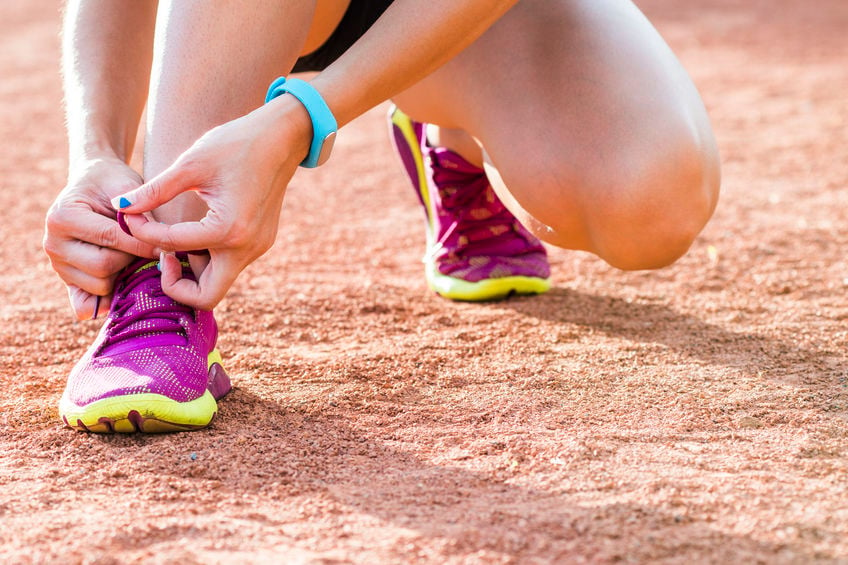
Let’s get the knee stable again
Athletes can experience partial tears or full tears. For a complete tear, an athlete sometimes hears a pop, like a popped rubber band. This can cause pain, swelling, and a loss of mobility. To repair a fully torn ACL, surgeons will use a minimally invasive procedure. The surgeon will remove the damaged ligament. From there, the surgeon will install a replacement ligament. This ligament can come from another part of the leg or a donor. Minimally invasive surgery is efficient, with less pain and a faster recovery. ACL surgery, however, is just the start of a long road to recovery.
The road to ACL recovery
Recovery consists of several parts that will help the athlete return to sports. At the start of the recovery, the athlete must keep the knee stabilized while managing pain. More importantly, physical therapy helps strengthen the knee and restore range of motion. Without the right physical therapy, the ACL can easily tear again. The first 4-12 weeks of recovery involve restoring joint function. Recovery includes exercises that encourage bending, extending, and basic movement like walking. Be careful and follow the instructions of the therapist to reduce swelling and discomfort.
Stepping up the recovery time
As recovery continues, patients will use balancing exercises and strengthening exercises. As the weeks go on, exercises like squats, leg raises, high knees, and even core exercises improve movement. The patient can walk without support and perform essential daily functions. At this point, the athletes will begin to feel stronger but will still require patience. This period covers months 3-6 after surgery.
Get back in the game
As recovery progresses, the patient should be able to complete tasks without discomfort. These therapy exercises make sure the athlete can be ready for sports again. From the 6-month mark onwards, therapy includes running, jumping, and agility. Some athletes return to training and even playing. Factors that influence return include the type of sport, recovery progress, and overall health. In some cases, this period can go as far as 9 months. Make sure to manage pain, inflammation, and expectations at every point of recovery.
Work together for a speedy recovery
Athletes, doctors, and physical therapists should work together to ensure a safe recovery. In some cases, a full recovery can happen in 6-9 months. There are some cases where healing can take 12 months or more. The goal is to listen to the body and trust the process. Rushing back onto the field is the fastest way to reinjury. Trust the expertise of the doctor after surgery and the physical therapist during recovery.
Recent Blogs
Knee Replacement: Can Regenerative Medicine Help You Avoid Major Surgery?
RIO Orthopedic2026-09-15T17:28:42-05:00September 17th, 2026|
Collarbone Surgery: 3 Signs You Need Surgical Repair For A Clavicle Fracture
RIO Orthopedic2026-09-10T12:12:40-05:00September 10th, 2026|
Achilles Tendon Repair Recovery: The Critical Role Of Physical Therapy
RIO Orthopedic2026-09-10T12:12:58-05:00September 3rd, 2026|