
Are You Fed Up Of Orthopedic Pain?
Orthopedics is the field of medicine that studies and treats the musculoskeletal system, particularly the spine, joints, and muscles. Sprains, strains, and tears are pretty standard, and the resulting pain can affect the quality of life. Some symptoms of orthopedic disorders include numbness, pain, weakness, restricted range of motion, swelling, and stiffness. Platelet-rich plasma injections can help reduce pain, improve function, and repair damage to the joint. This treatment is beneficial for those who’ve failed to get relief after many non-surgical options.

What is PRP?
Platelet-rich plasma (PRP) falls under the umbrella of regenerative medicine, where the body’s natural materials are used for healing. PRP consists of 2 elements: the plasma, the liquid portion of blood, and platelets. Platelets are well-known for blood clotting capabilities and contain growth factors that stimulate cell and tissue renewal. Doctors inject PRP into a problem area over several sessions to provide more growth factors. The FDA has only permitted the use of PRP in bone graft treatments. However, doctors use the therapy to address various other health issues.
Platelet-rich plasma Injections
A medical practitioner takes blood from the patient and places the sample in a centrifuge device to create plasma. The pump separates the other blood components from the platelets and plasma. Concentrated platelets are mixed with plasma, then injected into the problem area. PRP injections usually take about 30 minutes, depending on the location targeted. The platelets release growth factors, compounds that help cells repair and renew.
Can PRP help orthopedic pain?
When used to treat tendonitis, bursitis, or tears, PRP reduces pain, improves function, and repairs damage to the tendons. A mixture of PRP and an anesthetic are injected directly into the injured tissue. Studies show that patients experience less pain and, in some cases, is better than steroid injections. PRP effects are not permanent, but results can last between 18-24 months on average.
Other benefits of PRP
PRP goes beyond reducing inflammation and restoring tissue for orthopedic issues. Injecting PRP into the scalp may help reduce inflammation that can lead to hair loss. Dermatologists and beauty clinics may also use PRP for anti-aging treatments. PRP injections can treat a range of musculoskeletal injuries and tendon tears, such as ACL tears, tennis elbow, and runner’s knee. These injuries have notoriously long recovery times and may benefit from faster recovery with PRP. Speak with a doctor for these off-label therapies.
A promising therapy
The mechanism behind PRP injections is not entirely understood. However, studies show that the increased absorption of growth factors can help with orthopedic pain. If used effectively, PRP and physical therapy can improve the quality of life. The use of regenerative medicine is still highly debated but may eclipse many forms of treatment. Discuss the availability of PRP with a pain management specialist.
Recent Blogs
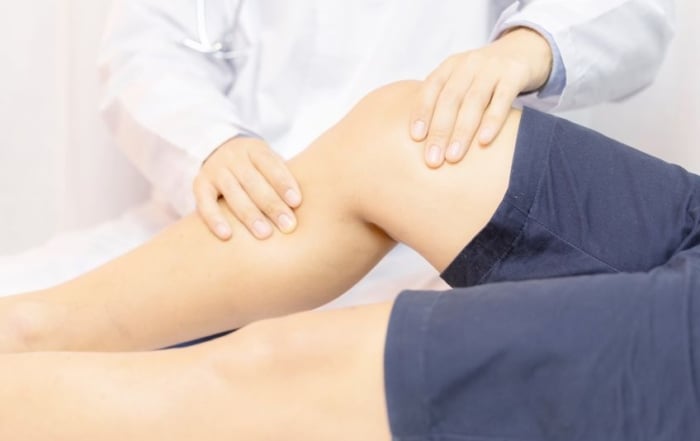
Knee Replacement: Can Regenerative Medicine Help You Avoid Major Surgery?
RIO Orthopedic2026-09-15T17:28:42-05:00September 17th, 2026|
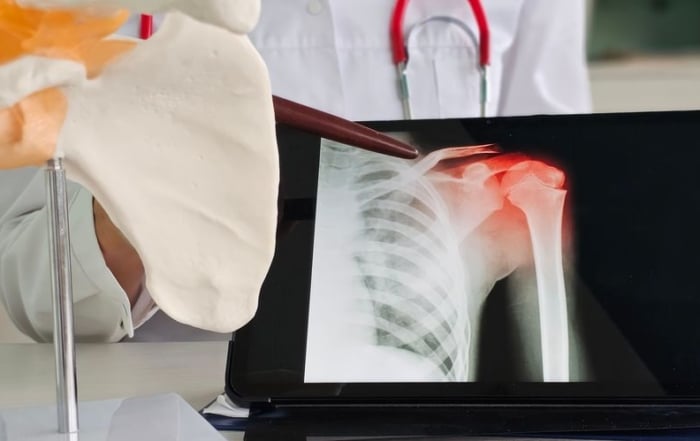
Collarbone Surgery: 3 Signs You Need Surgical Repair For A Clavicle Fracture
RIO Orthopedic2026-09-10T12:12:40-05:00September 10th, 2026|
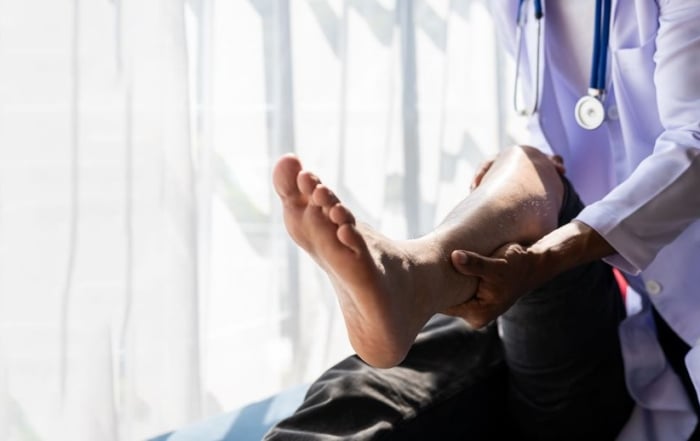
Achilles Tendon Repair Recovery: The Critical Role Of Physical Therapy
RIO Orthopedic2026-09-10T12:12:58-05:00September 3rd, 2026|