
Refueling For Recovery
Injuries are a frustrating part of an active lifestyle. Nutrition can play an important role in how fast and how well the body recovers. After an injury, the body shifts into healing mode. Muscles need protein to rebuild, anti-inflammatory nutrients to calm swelling, and enough calories to keep muscle recovery moving. Smart food choices help support each phase of the process.

Prioritize protein
Muscles need protein to repair damaged tissue. Lean meats, fish, eggs, tofu, beans, and Greek yogurt are all great sources. Try to include a protein source with every meal and snack to support muscle protein synthesis. After a sports injury, the body may need slightly more protein than usual, so spacing intake throughout the day can be helpful.
Do not forget healthy fats
Fats play a role in reducing inflammation and supporting cellular repair. Omega-3 fatty acids, in particular, are known to help ease swelling and promote healing. Good sources include salmon, sardines, walnuts, chia seeds, and flaxseeds. While fats should be consumed in moderation, healthy fats are an important part of a recovery diet.
Load up on antioxidants
Fruits and vegetables are packed with vitamins and antioxidants that help the body fight inflammation and oxidative stress. Berries, oranges, leafy greens, bell peppers, and tomatoes all deliver powerful plant compounds that support tissue repair. Colorful meals often mean more variety in nutrients.
Hydrate for healing
Staying hydrated supports circulation, nutrient transport, and tissue elasticity. Water helps deliver the building blocks muscles need and flushes out waste products. Electrolyte-rich beverages like coconut water or diluted sports drinks can be helpful, especially in the early phases of healing or after physical therapy sessions.
Support with supplements
While food should come first, some athletes may benefit from supplements like vitamin D, magnesium, collagen, or turmeric. These can support bone and tissue repair, muscle function, and inflammation control. Always check with a provider before adding new supplements to a recovery plan.
Why digestion matters
A healthy gut can improve nutrient absorption, reduce inflammation, and even support immune function, all important for muscle recovery. Probiotic-rich foods like yogurt, kefir, miso, or sauerkraut may help strengthen the gut barrier and keep digestion on track during times of stress or dietary shifts. Keeping the gut in balance helps the rest of the body perform optimally, especially during recovery.
Focus on the big picture
What goes on the plate can influence how the body bounces back. Nutrition alone will not heal an injury, but can help create the right conditions for proper muscle recovery. Balanced meals, plenty of fluids, and the right support offer athletes a better shot at a stronger return to sport. Even small changes in nutrition can compound over time to support steady progress.
Recent Blogs
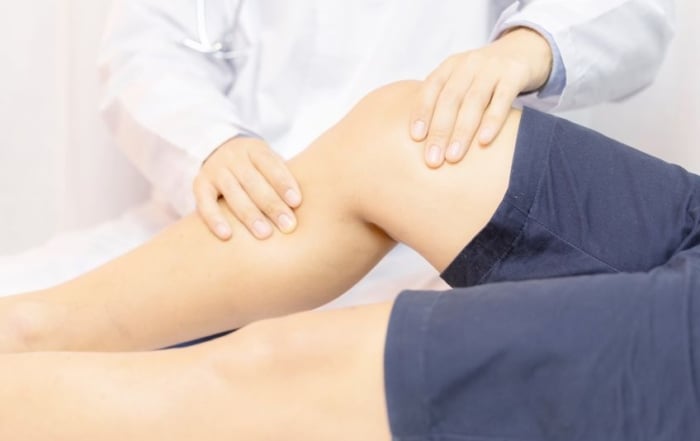
Knee Replacement: Can Regenerative Medicine Help You Avoid Major Surgery?
RIO Orthopedic2026-09-15T17:28:42-05:00September 17th, 2026|
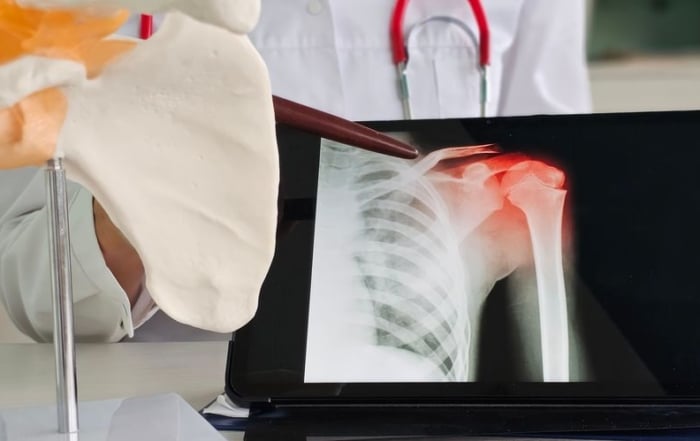
Collarbone Surgery: 3 Signs You Need Surgical Repair For A Clavicle Fracture
RIO Orthopedic2026-09-10T12:12:40-05:00September 10th, 2026|

Achilles Tendon Repair Recovery: The Critical Role Of Physical Therapy
RIO Orthopedic2026-09-10T12:12:58-05:00September 3rd, 2026|