
Orthobiologics For Arthritis Relief
Arthritis, the gradual wear and tear of joint cartilage, impacts over 50 million American adults. While there are many forms, osteoarthritis is the most common, needing consistent treatment. Arthritis pain management is essential for slowing the progression of the condition and improving the quality of life. Doctors are trying innovative treatment methods, like orthobiologics. This therapy uses compounds from the patient’s body or other natural sources and is a subset of regenerative medicine. This rapidly evolving medical field is an excellent way to improve joint health while providing an alternative to more invasive treatments.
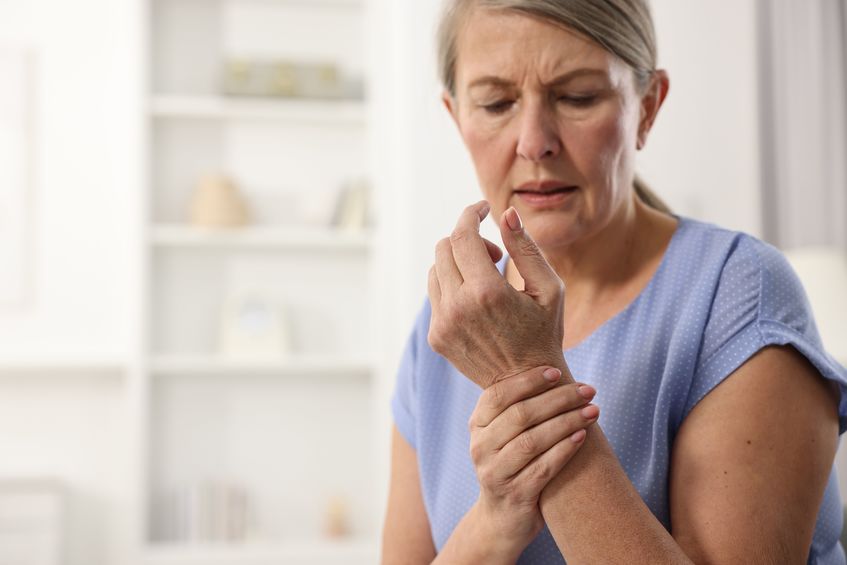
Regenerative medicine explained
Orthobiologics falls under regenerative medicine. This procedure involves using naturally occurring compounds in the body, such as stem cells and platelets. Regenerative medicine uses the body’s natural healing properties to treat injuries, reduce pain, and decrease inflammation. Some types of regenerative medicine can even reverse damage to ligaments and tissue. Regenerative medicine can help treat sports injuries like ligament tears, tendonitis, and muscle sprains. The treatment can also support recovery after surgery. Chronic conditions, like osteoarthritis can benefit from orthobiologics. Platelet-rich plasma (PRP) and bone marrow aspirate concentrate (BMAC) are common forms of regenerative medicine.
Have you heard of PRP?
Platelet-rich plasma uses concentrated platelets to improve healing. Within the blood lies platelets, which are responsible for reducing inflammation and clotting when someone gets injured. PRP leverages this feature by extracting platelets from the patient’s own blood. PRP is performed by taking a blood sample from the patient. The sample is passed through a centrifuge to separate platelets from red blood cells. The platelets are combined with plasma and then injected into the location. To treat arthritis, separated PRP will be injected into the painful joint.
A boost with BMAC
Another form of orthobiologics uses bone marrow aspirate concentrate (BMAC) to treat arthritis. BMAC leverages the body’s stem cells, which can regenerate blood cells and tissue. These stem cells are abundant within the bone marrow of the hip. By extracting samples of bone marrow with a long needle, doctors can separate the BMAC. Like PRP, the sample is placed in a centrifuge to separate mesenchymal stem cells (MSC) and other growth factors. Once processed, the medical team injects the BMAC into the appropriate location.
Expect these results for arthritic pain
Both PRP and BMAC are non-invasive treatments with minimal side effects. The procedure is known to reduce inflammation, limit pain, and slow joint degeneration. Orthobiologics, while effective, is not a one-time treatment. To achieve optimal results, several injections of regenerative medicine over many months are necessary. Studies show that BMAC may be an effective tool to regenerate damaged cartilage. The procedure can also reduce arthritic pain. PRP can also help reduce inflammation and improve joint function, especially with knee osteoarthritis. These treatments are effective when combined with non-surgical strategies like physical therapy and pain management.
Is orthobiologics right for you?
Arthritis is a rapidly growing condition that impacts millions. The issue worsens and can require significant repair, like joint replacements if left untreated. Individuals with arthritis care are constantly looking for natural ways to reduce pain and even slow the disease, without additional side effects. Orthobiologics shows promise in addressing joint conditions like arthritis. Combining this regenerative medicine with other treatments and lifestyle changes can aid in joint preservation and improve quality of life.
Recent Blogs
Knee Replacement: Can Regenerative Medicine Help You Avoid Major Surgery?
RIO Orthopedic2026-09-15T17:28:42-05:00September 17th, 2026|
Collarbone Surgery: 3 Signs You Need Surgical Repair For A Clavicle Fracture
RIO Orthopedic2026-09-10T12:12:40-05:00September 10th, 2026|
Achilles Tendon Repair Recovery: The Critical Role Of Physical Therapy
RIO Orthopedic2026-09-10T12:12:58-05:00September 3rd, 2026|