
Why would you delay joint replacement?
A joint replacement can be a problem-solver for individuals with chronic joint pain due to arthritis or long-term damage from a past injury. So why delay surgery? A patient may not be ready for surgery due to financial or logistical constraints. Some potential patients have health challenges that may lead to surgical complications. These issues must be managed first, else the risk of joint replacement is too great. For others, delaying joint replacement is a matter of personal choice. These individuals may prefer a comprehensive approach using non-surgical means to reduce pain and improve joint function. Whatever the reason, there are options beyond the scalpel. Some can preserve the natural joint components for longer, buy valuable time, or may even eliminate the need for surgery altogether.

The power of physical therapy
Physical therapy (PT) remains one of the most effective strategies for joint preservation. A skilled physiotherapist can provide a series of exercises and techniques specific to the patient’s condition and needs. Consistent PT strengthens surrounding muscles, improves joint stability, and delays surgery. Over time, PT relieves stress on cartilage and bone. Studies show that consistent physical therapy can reduce pain and improve function as effectively as surgery. Commitment is the key to physical therapy, as consistency is the only way to produce results. When done correctly, PT can delay surgery and preserve much of the joint, leading to more effective joint replacement later.
Try these pain management strategies
Chronic pain is the primary concern for patients with joint conditions or significant joint damage. Working with a doctor or pain management specialist can be an effective, non-surgical option. The team can create a custom pain management strategy that encompasses medication, bracing, and non-invasive procedures. Oral and topical non-steroidal anti-inflammatory drugs (NSAIDs) can help with immediate concerns. Topical NSAIDs applied directly to the joint provide benefits with fewer systemic side effects than oral medications. Using properly fitted braces and orthotic devices redistributes weight away from damaged joint areas. This strategy can preserve much of the joint over time, helping delay surgery. For hip and knee challenges, custom foot orthotics correct alignment issues that accelerate damage. Combining these strategies with procedures like radiofrequency ablation can relieve pain and boost quality of life.
Better weight means better joints
A simple but effective strategy, weight management can help relieve symptoms and delay surgery. Every pound of body weight places multiple pounds of pressure on weight-bearing joints. Weight compounds the pressure placed on the knees and hips with every step made. Even modest weight loss of 10-15 pounds significantly reduces joint stress and pain while slowing cartilage degradation. Work with a doctor to assess weight goals and come up with a long-term plan. Combining exercise with a healthy diet and optimizing hormones can produce consistent weight loss results. This intervention requires no procedures, costs nothing beyond lifestyle changes, and benefits long-term overall health.
PRP for joint degeneration
Regenerative medicine is making waves in many areas of health and wellness, with joint treatment no exception. This technique uses the body’s natural healing factors to accelerate repair, reduce inflammation, and even regenerate lost tissue. Platelet-rich plasma (PRP) is the most popular and accessible form of regenerative medicine, which can be used as a non-surgical treatment for joint preservation. By extracting platelets from blood samples, the medical team can inject a solution into the diseased joint. The growth factors in PRP limit the inflammatory response that drives arthritis symptoms. PRP can limit symptoms and delay surgery, but must be done consistently for the best results.
The emergence of stem cell therapy
Stem cell injections for joint preservation are another potential treatment option. This strategy is relatively new, but there is some evidence supporting the benefits of this form of regenerative medicine. Using stem cells derived from bone marrow aspirate concentrate (BMAC), for instance, may reduce inflammation and help support remaining cartilage. Stem cells can also slow disease progression. Initial studies show that younger patients with early-onset arthritis may benefit from the procedure. At the same time, as stem cell therapy evolves, results may vary, and treatment is not typically covered by insurance. For the best outcome, choose experienced providers using established protocols.
Make the right choice
Navigating joint damage can be challenging. Over time, the goal is joint replacement, which can limit pain and restore mobility. Before then, there are many non-surgical ways to improve symptoms, delay damage, and reduce the need for surgery. Combining multiple approaches, like PT, pain management, regenerative medicine, and weight management, may be required. Factors like patient age, activity level, and overall health will guide non-surgical treatment. Joint replacement remains an excellent option when appropriate, but exploring non-surgical alternatives first makes sense. Work with a doctor and pain management specialist, turning only to surgery when these techniques no longer work.
Recent Blogs
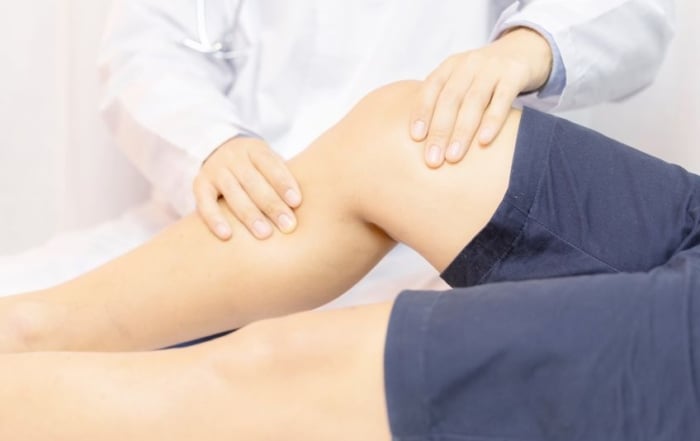
Knee Replacement: Can Regenerative Medicine Help You Avoid Major Surgery?
RIO Orthopedic2026-09-15T17:28:42-05:00September 17th, 2026|
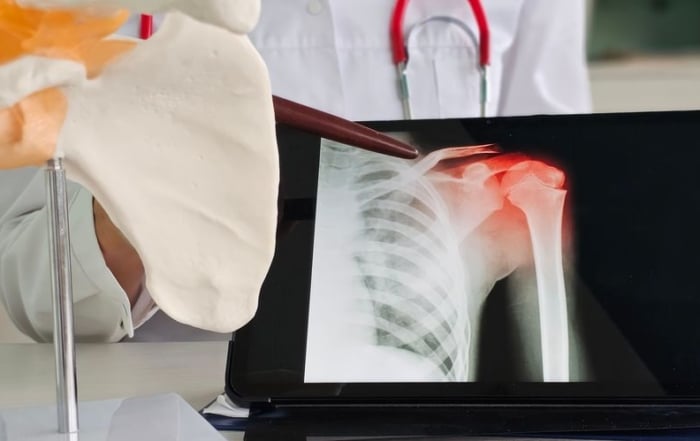
Collarbone Surgery: 3 Signs You Need Surgical Repair For A Clavicle Fracture
RIO Orthopedic2026-09-10T12:12:40-05:00September 10th, 2026|

Achilles Tendon Repair Recovery: The Critical Role Of Physical Therapy
RIO Orthopedic2026-09-10T12:12:58-05:00September 3rd, 2026|