
PRP As A Go-To Solution
Getting injured might be an occupational hazard for athletes, but the goal is to get back on the field or in the game as soon as possible. Historically, sports injuries have always been a reason for concern. One bad turn or collision between athletes could completely derail a performer’s career. As a result, focusing on restorative treatments that not only effectively heal damage but also get players back into the game faster is prioritized. Specifically, platelet-rich therapy (PRP) is a newer methodology that’s helped many athletes recover without requiring surgery, or speeding healing timelines after surgery. However, specific criteria are required for an athlete to be a good candidate for PRP treatments.

PRP explained
PRP is a medical treatment that is minimally invasive and proven to speed wound healing. The procedure is typically offered on an outpatient basis, relying on using a patient’s own blood to speed healing. Beyond the initial blood draw and the injection of PRP directly into the damaged area, the procedure is minimally invasive. Most people will experience few, if any, complications beyond minor bruising at the needle site. PRP works by leveraging the body’s natural ability to prompt wound healing. Historically, the injections were viewed as a preventative treatment and sometimes a last-chance measure to boost recovery before recommending a more invasive surgery. As research advanced, healthcare professionals realized that PRP could be combined with surgery to fast-track recovery.
What is PRP?
PRP is a person’s own blood, supercharged to speed healing. The substance is created by taking a blood sample, which is then centrifuged to separate the components. The key parts of blood includes the plasma, red blood cells, and platelets. PRP creates a concentrated solution made solely of plasma and platelets. The plasma contains platelets which are a specialized type of blood cell that works to heal injuries. The specialized cells are triggered into action when clotting occurs and are responsible for stimulating tissue regeneration.
Is PRP ideal for all athletes?
While most people with standard sports injuries tend to be good candidates for PRP, some individuals might not be ideal for this type of treatment. Specifically, PRP is considered the best preemptive treatment for tendon issues, ligament sprains, muscle tears, and even mild-to-moderate osteoarthritis. However, evidence suggests that the treatment may also be helpful to repair topical damage like visible wounds, scrapes, and even cuts. With sports injuries, common problems such as ACL tears, joint pain, back and knee injuries, can all be improved with PRP whether as an alternative treatment to surgery, or to speed postsurgical recovery.
When to avoid PRP
Although PRP is widely recommended, some individuals may find a doctor doesn’t recommend the treatment. Specifically, patients with severe joint degeneration, active infections, as well as people dealing with certain cancers or autoimmune diseases, and people with bleeding disorders or actively taking anticoagulants should not attempt PRP. If an injury is sidelining activity, consider speaking with a sports medicine specialist to determine the best steps to get back to regular life.
Recent Blogs
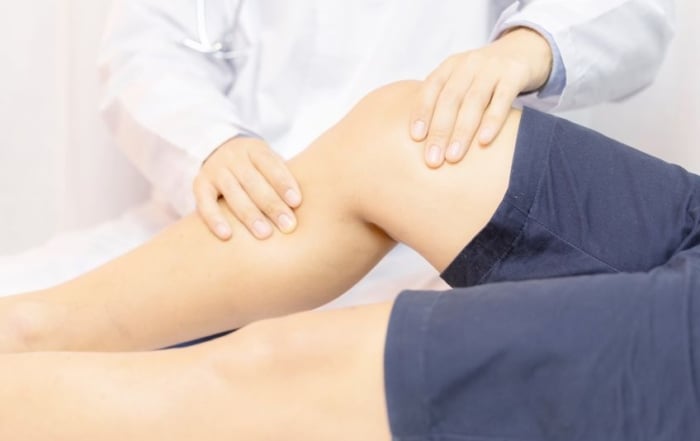
Knee Replacement: Can Regenerative Medicine Help You Avoid Major Surgery?
RIO Orthopedic2026-09-15T17:28:42-05:00September 17th, 2026|
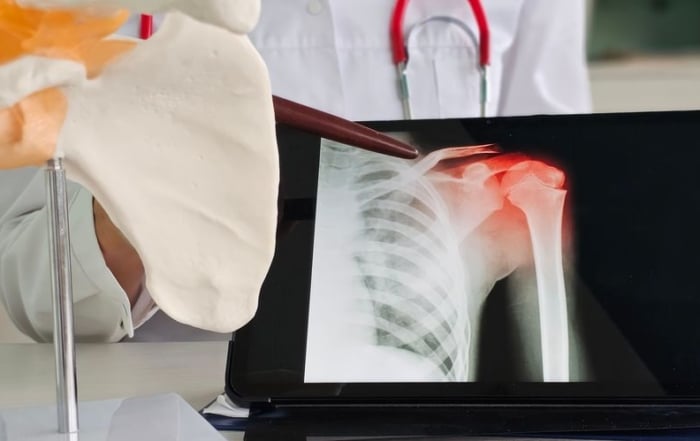
Collarbone Surgery: 3 Signs You Need Surgical Repair For A Clavicle Fracture
RIO Orthopedic2026-09-10T12:12:40-05:00September 10th, 2026|
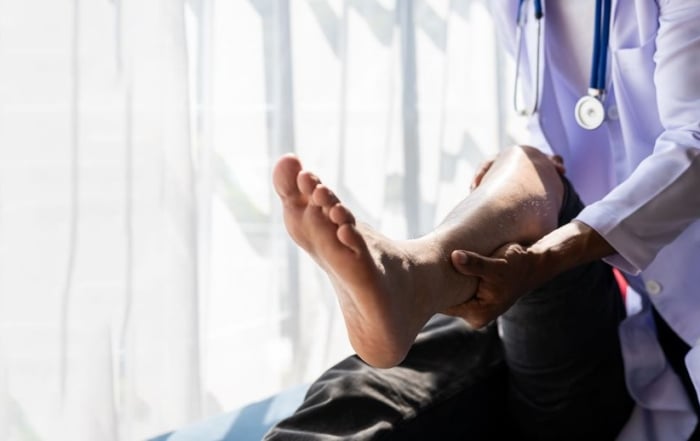
Achilles Tendon Repair Recovery: The Critical Role Of Physical Therapy
RIO Orthopedic2026-09-10T12:12:58-05:00September 3rd, 2026|