
Is Regenerative Medicine The Answer?
When deciding between surgery and regenerative medicine, the choice often comes down to the severity of structural damage versus the body’s remaining healing potential. Surgery is typically the gold standard for mechanical failures, such as complete ligament ruptures, displaced fractures, or advanced bone-on-bone arthritis where the joint’s architecture has collapsed. Regenerative treatments focus on biological repair rather than mechanical replacement, utilizing your own cells to reduce inflammation and strengthen weakened tissue. Regenerative medicine offers a minimally invasive alternative with almost no downtime, making for a powerful option for those looking to avoid the scalpel.

When is treatment needed
Some injuries are minor, while other incidents can result in extensive damage to joints or tissue groups. For small problems, at-home solutions like rest, ice, compression and elevation (RICE) and over-the-counter (OTC) medications may be enough for full recovery. If damage is severe enough to impede mobility for extended periods, doesn’t improve with time, or spreads to surrounding areas, medical interventions are necessary. Historically, such issues required surgical correction. These days, doctors may recommend minimally invasive, regenerative medicine as an alternative option.
Limitations of surgery
In the past, when a person had significant joint or tissue damage that was unresponsive to at-home or minimally invasive treatments, surgery was the go-to recommendation. While usually effective, having an operation could mean more time spent with limited mobility, a long recovery timeline, and potentially lost income and reduced quality of life. For other patients, extenuating factors like extensive damage, not being a good candidate for the procedure, and even concerns around complications could mean surgery wasn’t an option. With these individuals, the long-term goal may be to reduce discomfort, preserve surviving tissue or joint function, and stave off progression of damage. In these instances, regenerative medicine can often be an intermediary solution when more traditional methods might not be as effective.
Regenerative medicine
Formally known as orthobiologics, regenerative medicine has expanded to include a variety of therapies designed to essentially help the body self-heal by introducing organic materials that are less likely to be rejected or cause adverse effects. One of the most recognizable and well-researched methods is platelet-rich plasma (PRP) therapy, which uses a patient’s own plasma to speed wound healing. PRP has been used in a variety of applications, from wound healing and post-operative treatments to supporting cosmetic procedures. The therapy is one of the few options that can be used as both an alternative and a companion treatment for orthopedic surgery. While PRP is most recognizable, other regenerative medicine pathways exist.
Strengthening naturally
Prolotherapy is another minimally invasive, elective orthobiologic treatment that uses organic substances to foster pain relief in people suffering from arthritis, fibromyalgia, tendinopathy, degenerative disk disease, and persistent lower back pain. Typically, a physician will inject what’s referred to as an irritant into the body, although the substance is usually a sugar solution. The goal is to encourage the body’s natural immune response by mimicking a threat such as infection or injury, causing white blood cells and platelets to repair damaged tissue. While some facilities do offer prolotherapy, the scientific data is somewhat inconclusive regarding actual benefits and people should only seek this therapy from reputable clinics.
Making the choice
Regenerative medicine can be a smart alternative or complementing treatment for people facing chronic pain, or a degenerative condition like arthritis or fibromyalgia. Picking the right pathway will depend on the severity of a patient’s condition, whether a physician thinks orthobiologics are more beneficial than surgery, and underlying health which might influence recovery and outcomes. Before making a choice, consider speaking with a specialist for more information.
Recent Blogs
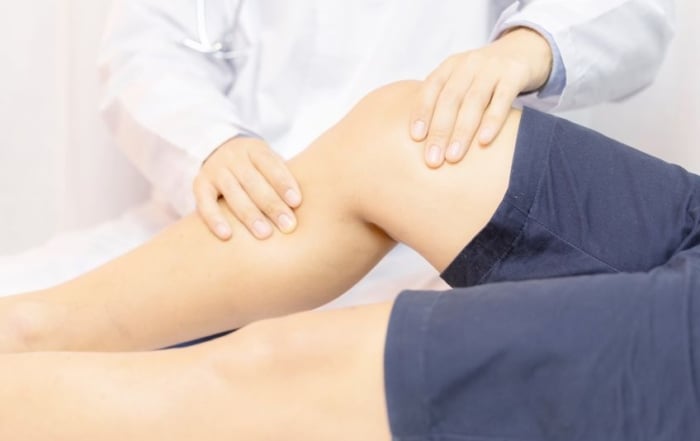
Knee Replacement: Can Regenerative Medicine Help You Avoid Major Surgery?
RIO Orthopedic2026-09-15T17:28:42-05:00September 17th, 2026|
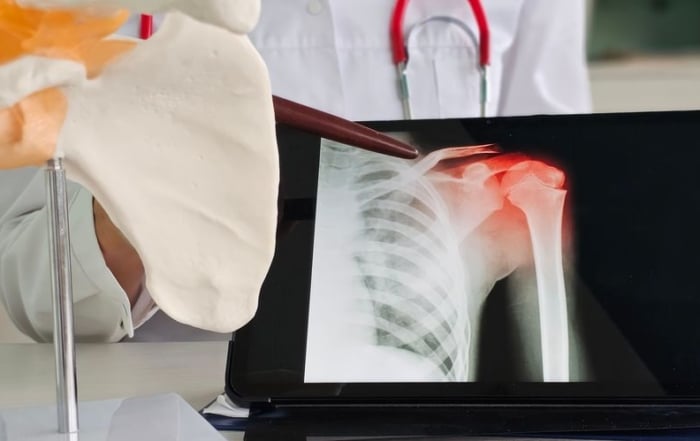
Collarbone Surgery: 3 Signs You Need Surgical Repair For A Clavicle Fracture
RIO Orthopedic2026-09-10T12:12:40-05:00September 10th, 2026|
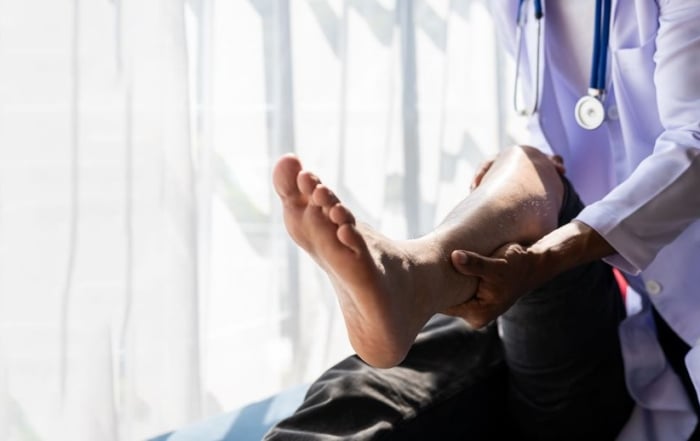
Achilles Tendon Repair Recovery: The Critical Role Of Physical Therapy
RIO Orthopedic2026-09-10T12:12:58-05:00September 3rd, 2026|