
Regenerative Medicine And Sport
Athletes and weekend warriors looking for ways to treat injuries may have heard of regenerative medicine. This innovative medical field seeks to leverage the body’s natural healing to treat specific injuries. When the body experiences an injury, healing factors, such as platelets and stem cells, are activated to initiate the repair process. Regenerative medicine harvests these healing factors, such as platelet-rich plasma (PRP), stem cells, and other biological approaches. The harvested cells are then placed at the injury location to boost healing, reduce pain, and much more. Regenerative medicine is gaining popularity in sports medicine as an effective way to heal while avoiding surgery. While not every injury benefits equally from regenerative treatments, certain conditions show particularly promising results.
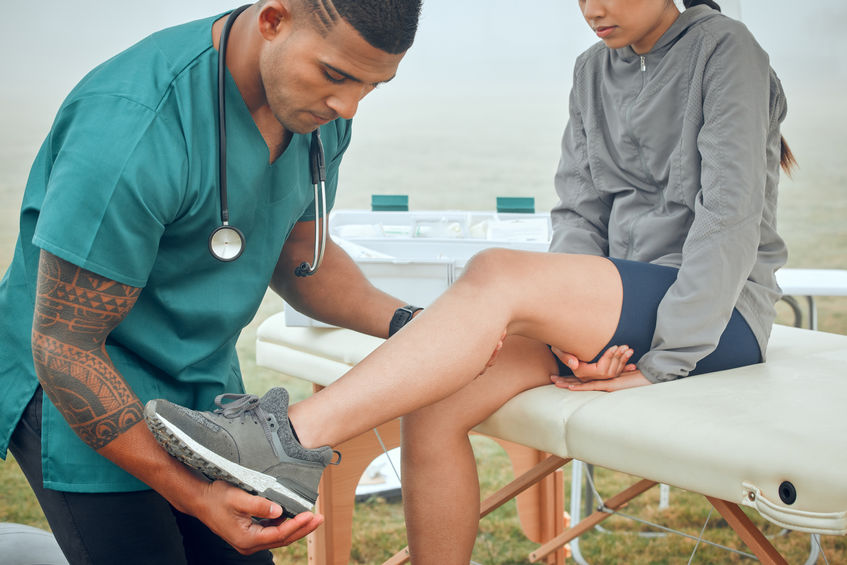
Tendon injuries and PRP
Some athletes are prone to chronic tendon injuries like tennis elbow, patellar tendonitis, and Achilles tendinopathy. These conditions can create significant joint pain, discomfort, and limited function, leaving sports difficult to play without pain. Some injuries can take weeks or months to heal, and some may require surgery. These tendon injuries respond well to regenerative treatments, particularly PRP injections. Tendons have a limited blood supply, which slows natural healing, making tendon injuries especially stubborn. PRP delivers concentrated growth factors directly to the injury site. Additional platelets can stimulate collagen production, reduce inflammation, and accelerate tissue repair. Studies have shown that PRP significantly reduces pain and the recovery timeline of tendon injuries.
Partial muscle and ligament tears
Muscle strains and partial tears, common in sprinting and jumping sports, can benefit from regenerative medicine. PRP and stem cell therapy can reduce recovery time and minimize scar tissue formation. Combining regenerative medicine with rest and physical therapy (PT) can shorten healing time, help regenerate complete muscle fibers, and limit re-injury rates. The same goes for partial ligament sprains and tears. Grade 1 and 2 ligament injuries are common in the shoulders, knees, and ankles. Anterior cruciate ligament (ACL) and medial collateral ligament (MCL) sprains respond well to regenerative medicine. Shoulder joint separations, which can take months to heal, can also benefit from this non-surgical option. Strategies like PRP are known to help increase collagen production and reduce chronic laxity, which causes joint instability. Some doctors even use regenerative medicine after surgery to enhance post-surgical healing.
Treating rotator cuff tendinitis
The rotator cuff is a group of muscles and ligaments that wrap around the shoulder joint, providing protection and stability. Rotator cuff tears are common, especially among athletes in throwing or racquet sports. The injury is prone to return or lead to chronic tendinitis. These conditions respond well to PRP and other forms of regenerative medicine. Many athletes combine PRP or bone marrow aspirate concentrate (BMAC) with PT to address underlying biomechanical issues. The treatment reduces inflammation, stimulates healing, and strengthens weakened tendon tissue. Ongoing treatment helps to create a comprehensive approach to what can be a long-term, debilitating sports injury. Athletes who want to avoid surgery often turn to regenerative medicine. Recent statistics show that patients who use regenerative medicine are less likely to need revision surgery later.
Trust in regenerative medicine
The sports arena is welcoming regenerative medicine as a natural way to promote healing and address injuries without surgery. PRP and stem cell therapy are helping athletes restore strength and function in tendons, ligaments, and joints. Regenerative medicine offers exciting possibilities, but is not a miracle cure for all sports injuries. Success depends on injury type, severity, patient age, and ability to heal. As healing factors come from the patient, overall health plays a significant role. These treatments work best as part of a comprehensive treatment plan. Regenerative medicine is also not a replacement for complete tears or severe injuries, especially if the athlete wishes to return to sports as soon as possible. For athletes dealing with chronic injuries that have not responded to conservative care or those hoping to avoid surgery, regenerative treatments offer a promising alternative.
Recent Blogs
Knee Replacement: Can Regenerative Medicine Help You Avoid Major Surgery?
RIO Orthopedic2026-09-15T17:28:42-05:00September 17th, 2026|
Collarbone Surgery: 3 Signs You Need Surgical Repair For A Clavicle Fracture
RIO Orthopedic2026-09-10T12:12:40-05:00September 10th, 2026|
Achilles Tendon Repair Recovery: The Critical Role Of Physical Therapy
RIO Orthopedic2026-09-10T12:12:58-05:00September 3rd, 2026|