
A Game-Changer For Athletes
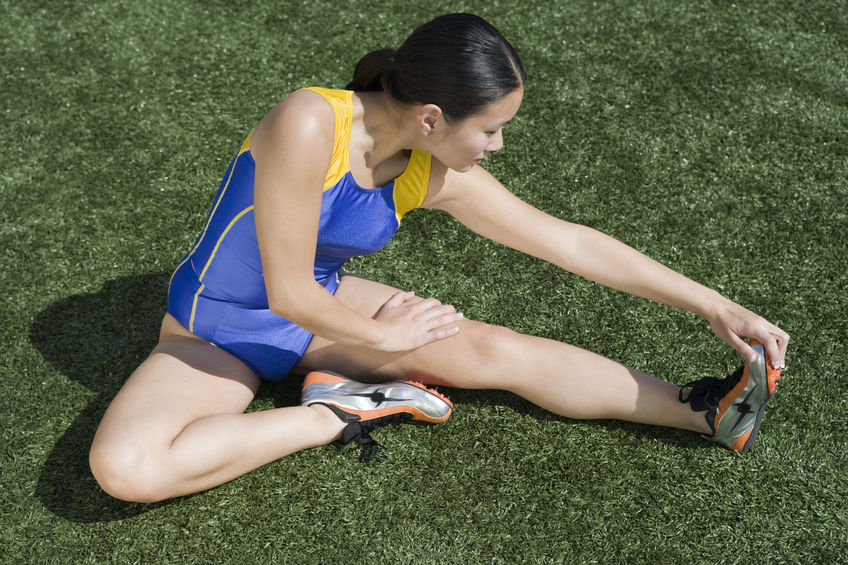
Knee pain from sports injuries can be stubborn, especially when involving tendons, ligaments, or cartilage. Platelet-rich plasma (PRP) therapy is gaining traction as a treatment that uses healing components made in the body to help tissues recover. For athletes or active individuals with lingering knee pain, PRP may help promote repair without more invasive interventions.
A natural healing boost
PRP therapy involves taking a small sample of blood from the patient, spinning the blood sample in a centrifuge to concentrate the platelets. Then, that rich plasma is injected directly into the injured area. Platelets are rich in growth factors that support healing in damaged tissues. By delivering a higher concentration to the site of injury, PRP stimulates a more effective healing response.
Healing stubborn damage
Knee injuries like meniscus tears, patellar tendinopathy, and ligament sprains are often slow to heal due to limited blood flow in the joint area. PRP injections can help improve the local environment by bringing in growth factors that promote cell regeneration and reduce inflammation. This may be especially helpful for pain that persists despite rest, physical therapy, or other conservative care.
What to expect from treatment
PRP therapy is typically performed as an outpatient procedure and does not require anesthesia. Mild soreness or swelling may occur after the injection, but downtime is minimal. Many patients return to light activity within a few days, though full recovery timelines vary. Multiple injections may be recommended depending on the injury and response to treatment. Improvements often develop gradually over weeks as tissue begins to heal.
Who is a good candidate?
PRP therapy may be worth considering when knee pain interferes with activity, but imaging does not show a need for surgery. PRP is sometimes used alongside physical therapy or other treatments as part of a comprehensive plan. While not a guaranteed fix, PRP may offer an alternative when progress has stalled or when patients want to avoid more invasive procedures.
Tracking improvement
Progress tends to be gradual, so staying in touch with the care team matters. Providers may track movement, strength, and daily function to get a clearer picture of how healing is going. Imaging or check-ins can help guide next steps, like whether another round of treatment might be helpful. Consistent follow-up supports adjustments in care and maximizes the potential benefits of the treatment
Get back in the game
PRP therapy offers a promising option for athletes and active individuals managing knee pain from soft tissue injuries. By concentrating the natural healing tools and delivering rich plasma to areas that need support, PRP may help reduce pain and improve function over time. PRP is not a cure-all, but for the right cases, this treatment can be a valuable part of recovery.
Recent Blogs
Knee Replacement: Can Regenerative Medicine Help You Avoid Major Surgery?
RIO Orthopedic2026-09-15T17:28:42-05:00September 17th, 2026|
Collarbone Surgery: 3 Signs You Need Surgical Repair For A Clavicle Fracture
RIO Orthopedic2026-09-10T12:12:40-05:00September 10th, 2026|
Achilles Tendon Repair Recovery: The Critical Role Of Physical Therapy
RIO Orthopedic2026-09-10T12:12:58-05:00September 3rd, 2026|