
New Hope For Knee Surgery Patients
An anterior cruciate ligament (ACL) tear is a pivotal moment that can define the career of an athlete. The traditional recovery process, marked by slow progress and persistent discomfort, often casts a long shadow on athletic performance and mental fortitude. Regenerative medicine offers a ray of hope. This innovative treatment repairs the damage and revitalizes the knee. Regenerative medicine leads to a quicker return to peak performance.

Limitations of conventional treatments
Traditional healing methods for an ACL tear typically involve rest, ice, compression, and elevation (RICE) to manage swelling and pain. Physical therapy focuses on strengthening and stabilizing the knee. In severe cases, ACL reconstruction surgery followed by extensive rehabilitation is required. However, these approaches come with limitations. Recovery can take 6-12 months, and patients often face ongoing pain, limited mobility, and a higher risk of re-injury or developing osteoarthritis.
Advancing ACL care
Regenerative medicine uses advanced techniques, including stem cells, platelet-rich plasma (PRP), and growth factors, to accelerate the innate repair mechanisms of the body. Regenerative therapies improve recovery by focusing on repairing, replacing, or regenerating damaged tissues. These methods promise shorter recovery times and restore full function by encouraging the regeneration of ligaments at a cellular level. Improved healing may reduce the long-term impact of the initial injury.
Are you eligible?
Active individuals with partial ACL tears or patients not fully recovering post-surgery may benefit from regenerative techniques. These treatments are less suitable for severe, full-thickness tears requiring surgery. Candidates should not have health conditions that impair healing, such as diabetes or autoimmune diseases. A healthcare provider will assess each injury and the health of a patient to determine if these treatments are advisable.
Regenerative approaches
Stem cell therapy uses the cells of the patient to regenerate damaged ligament tissue. PRP involves concentrating platelets from the blood of the patient. Then, the platelets are injected into the injury site to release growth factors that accelerate tissue repair. Tissue engineering creates new ligament tissue in a lab to replace the damaged ones in the knee. Prolotherapy injects a dextrose solution into the ligament to stimulate natural healing processes.
Healing after treatments
Regenerative treatments like stem cell injections and PRP optimize ACL recovery by delivering growth factors that stimulate ligament cell growth and reduce inflammation. This method speeds up healing and strengthens the ligament for improved knee function. Patients also follow physical therapy that progressively stresses the ligament. This progressive treatment ensures the ligament heals correctly and regains full functionality. This strategy leads to a quicker and more effective recovery.
Getting back in the game
Regenerative medicine is changing the game for athletes with ACL injuries. This treatment cuts through the long recovery times usually expected with traditional methods. Regenerative medicine offers a faster, more effective way to heal. These techniques minimize the degeneration often seen with traditional surgical recoveries and boost tissue function without invasive procedures. For athletes, this means less time on the sidelines and more time on the field, with fewer worries about the risk of recurring injuries.
Recent Blogs
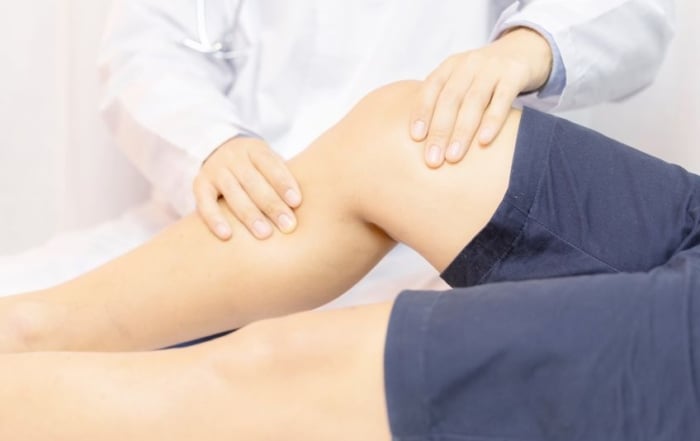
Knee Replacement: Can Regenerative Medicine Help You Avoid Major Surgery?
RIO Orthopedic2026-09-15T17:28:42-05:00September 17th, 2026|
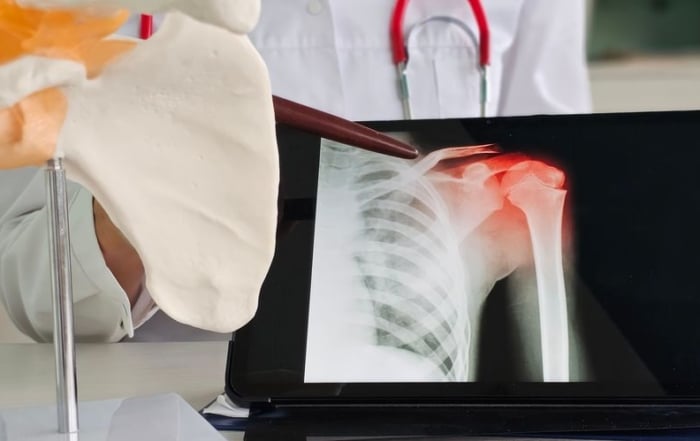
Collarbone Surgery: 3 Signs You Need Surgical Repair For A Clavicle Fracture
RIO Orthopedic2026-09-10T12:12:40-05:00September 10th, 2026|
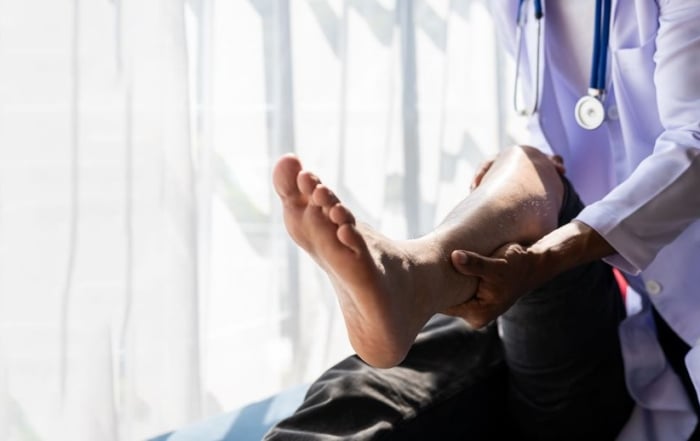
Achilles Tendon Repair Recovery: The Critical Role Of Physical Therapy
RIO Orthopedic2026-09-10T12:12:58-05:00September 3rd, 2026|