
Can A Meniscus Tear Heal Naturally?
A meniscus tear is a very common knee injury, especially after twisting motions, sudden pivots, sports injuries, or age-related wear. Pain, swelling, stiffness, or a catching sensation in the knee can make everyday movement feel difficult quickly. Not every meniscus tear automatically requires surgery, though. Some tears can improve with rest, physical therapy (PT), and activity changes depending on where the tear is located and how severe the damage is.

Why tear location matters
The meniscus has different zones with different levels of blood flow. Tears near the outer edge of the meniscus usually have a better chance of healing because that area receives more blood supply. Tears deeper inside the meniscus often heal more slowly because blood flow is more limited. Location can play a major role in whether conservative treatment is likely to help.
Not every tear needs surgery
Small or stable tears often improve without surgery, especially when symptoms remain manageable. Degenerative tears linked to aging also sometimes respond well to PT and strength-building exercises. Larger tears or displaced tears are more likely to keep causing pain, locking, or instability in the knee. The type of tear often matters just as much as the size.
Why stronger muscles help
Physical therapy is commonly recommended for meniscus injuries that do not require immediate surgery. Strengthening muscles around the knee, hips, and legs can help improve stability and reduce strain on the injured area. Meniscus tear exercises usually focus on improving strength, balance, and range of motion without putting excessive stress on the knee. Gradual strengthening can sometimes reduce symptoms enough to avoid surgery entirely.
Giving the knee a break
Rest, ice, compression, and elevation are commonly used during the early stages of recovery to help control swelling and pain. Reducing high-impact activity, deep squatting, twisting, or pivoting can also help protect the knee while symptoms calm down. Pushing through pain too aggressively early on can sometimes make irritation worse.
When surgery becomes more likely
Certain symptoms may make surgery more likely or more urgent. Knee locking, repeated giving out, severe instability, or an inability to fully straighten the leg can sometimes point to more significant structural problems. Surgery may also be recommended when symptoms continue after several weeks of PT and reduced activity.
Recovery can take time
Meniscus recovery is often slower than people expect, especially without surgery. Swelling and discomfort may improve gradually over several weeks or months rather than disappearing quickly. Activity levels often need to increase slowly to avoid aggravating the injury again. Patience and consistency usually play a major role in recovery.
Not every tear needs surgery
A meniscus tear does not automatically mean surgery is unavoidable. Many people improve with PT, activity modification, and time, especially when tears are smaller or more stable. The best treatment approach often depends on symptoms, tear location, activity level, and knee stability. An orthopedic specialist or physical therapist can help determine whether recovery without surgery is realistic or whether surgical repair may be necessary.
Recent Blogs
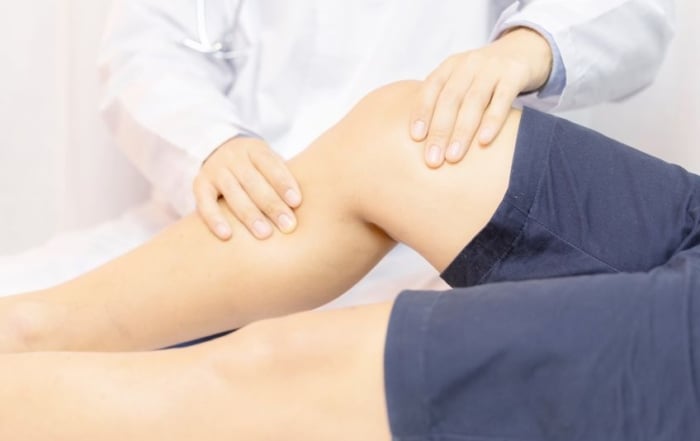
Knee Replacement: Can Regenerative Medicine Help You Avoid Major Surgery?
RIO Orthopedic2026-09-15T17:28:42-05:00September 17th, 2026|
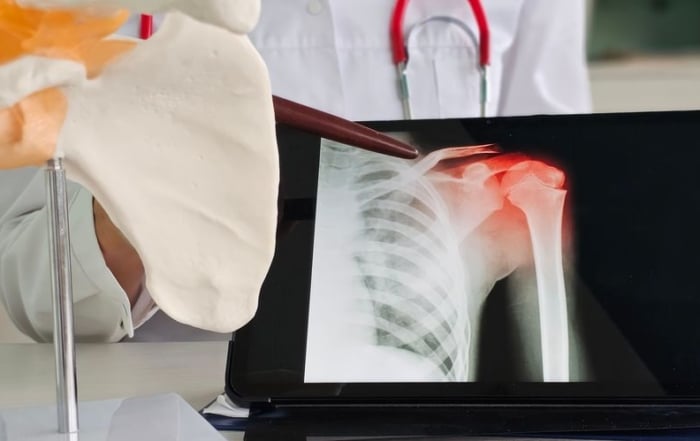
Collarbone Surgery: 3 Signs You Need Surgical Repair For A Clavicle Fracture
RIO Orthopedic2026-09-10T12:12:40-05:00September 10th, 2026|

Achilles Tendon Repair Recovery: The Critical Role Of Physical Therapy
RIO Orthopedic2026-09-10T12:12:58-05:00September 3rd, 2026|