
Regenerative Medicine Work For You?
Every year, millions of athletes of all ages and sports experience injuries. As a result, the need for effective treatment options has brought regenerative medicine into the sports injury space. Regenerative medicine uses stem cells or platelets within the body to accelerate healing at a specific location. Platelet-rich plasma (PRP) injections, for instance, are the most common form of regenerative medicine treatment. Regenerative medicine seeks to reduce inflammation, accelerate healing, and even helps avoid surgery. While effective, regenerative medicine is an evolving practice and is more effective in some situations than others. Many athletes are curious if the treatment will work for a specific injury. Here are 3 injuries proven to benefit from regenerative medicine.
1. Knee pain from cartilage damage
The knee contains cartilage that protects the top of the shin and thigh bones. Absorbing shock and reducing friction are some of the functions of cartilage. Damaged cartilage is common, often due to an acute injury or significant wear and tear through athletic performance. The result can be pain, stiffness, and inflammation. Severe cases can require surgery or even a knee replacement in later years. Cartilage also has limited natural healing capacity, making injuries difficult to manage. Regenerative medicine introduces healing factors to an area with limited resources. Consistent PRP or stem cell treatment can slow inflammation and reduce symptoms. Multiple studies show that regenerative medicine is effective in knee osteoarthritis management.
2. Tennis elbow and regenerative medicine
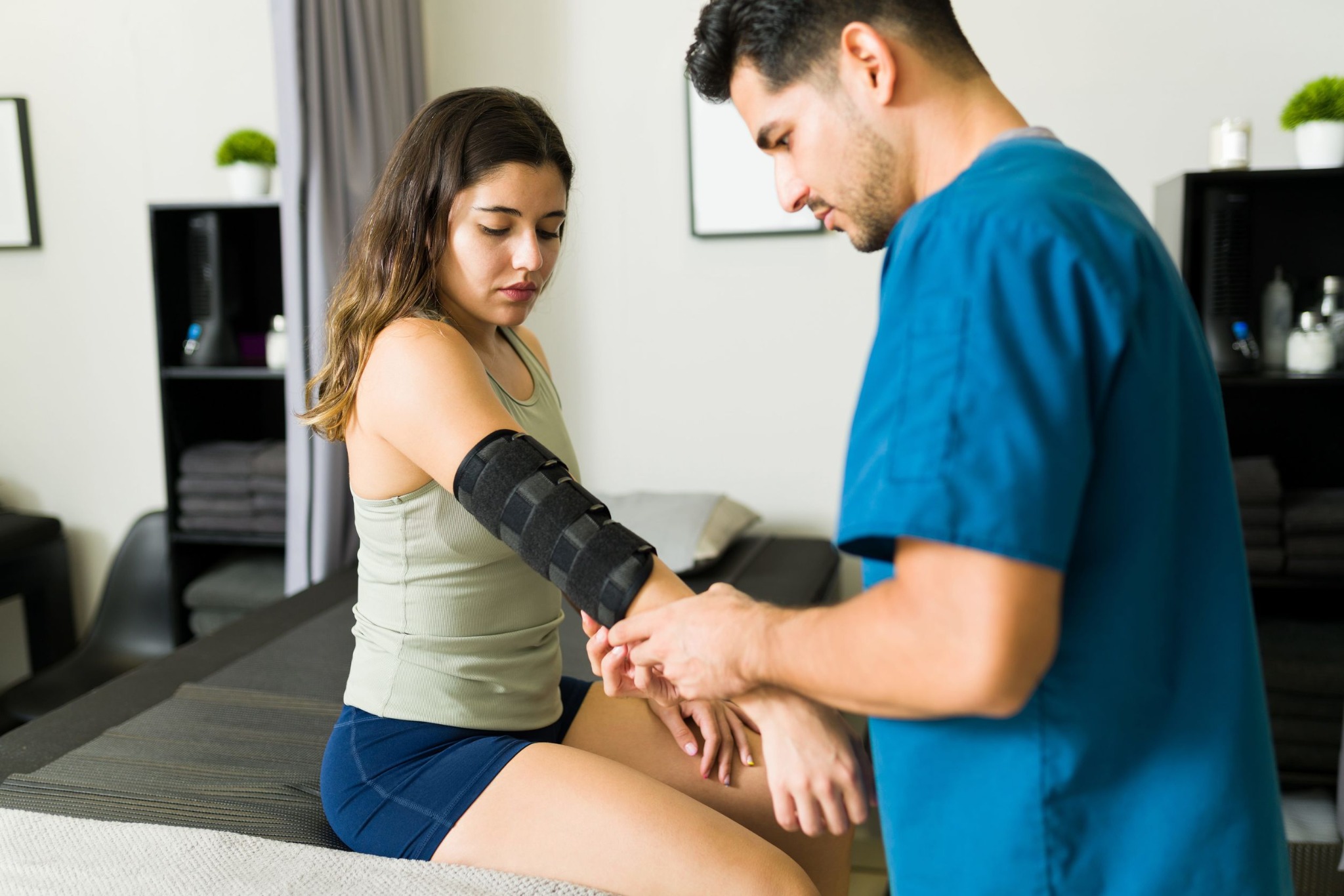
Lateral epicondylitis, or tennis elbow, is a very common joint injury. This condition causes pain around the outer elbow often due to overuse or damage to the forearm tendons. Along with chronic pain, tennis elbow patients experience reduced grip strength, pain when lifting, and reduced athletic performance. Tennis elbow can evolve into a more severe condition if left untreated. Regenerative medicine can reduce inflammation and can potentially address minute tears in the tendons. Research is limited, but some studies have shown promise that regenerative medicine promotes healing.
3. Patellar tendon damage
Another knee condition that responds well is jumper’s knee. This is called patellar tendinitis and affects the tendon connecting the kneecap to the shin bone. Constant running and jumping during sports can strain or damage this tendon. The result is often chronic pain, stiffness, and poor athletic performance. Managing pain and avoiding surgery may be possible with regenerative medicine. Patellar tendon inflammation and damage respond well to PRP injections. Studies show that patients experience less pain and faster healing when applied consistently.
Choose regenerative medicine wisely
Patellar tendonitis, cartilage damage, and tennis elbow in particular respond well to regenerative medicine. While studies are still evolving, regenerative medicine has shown effectiveness in relieving symptoms, especially when combined with conventional treatment. Regenerative medicine is not a solution for all cases. There are some injuries or conditions that will benefit from surgical intervention, especially for athletes. Working with a medical professional or regenerative medicine specialist can help. These experts will create a custom plan that leverages regenerative medicine. For the right circumstances, patients can relieve symptoms, speed up healing, and return to athletic performance.
Recent Blogs
Ligament Stability: 3 Questions To Ask Your Orthopedic Doc About Reconstruction
RIO Orthopedic2026-11-07T15:46:25-05:00October 14th, 2026|
Shoulder Surgery: How To Prepare For A Successful Labral Repair Procedure
RIO Orthopedic2026-10-04T18:43:00-05:00October 7th, 2026|

Regenerative Medicine vs Traditional Care: The Evolution Of Sports Injury Treatment
RIO Orthopedic2026-09-15T17:28:49-05:00September 24th, 2026|