
How Should You Treat Your Joint Pain?
Chronic joint pain impacts countless individuals, from office workers to athletes and the elderly. There often comes a point where a decision must be made for long-term symptom relief and a better quality of life. Seeking help reveals the traditional path of surgery and the new, innovative path of regenerative medicine. Patients often feel pulled toward whichever option promises to avoid surgery, mainly regenerative medicine options. Choosing how to treat joint pain depends on multiple factors, including severity and the specific condition. Patients who consult with medical professionals will understand the benefits and drawbacks of both options. This information helps with better decision-making and sustained pain relief.
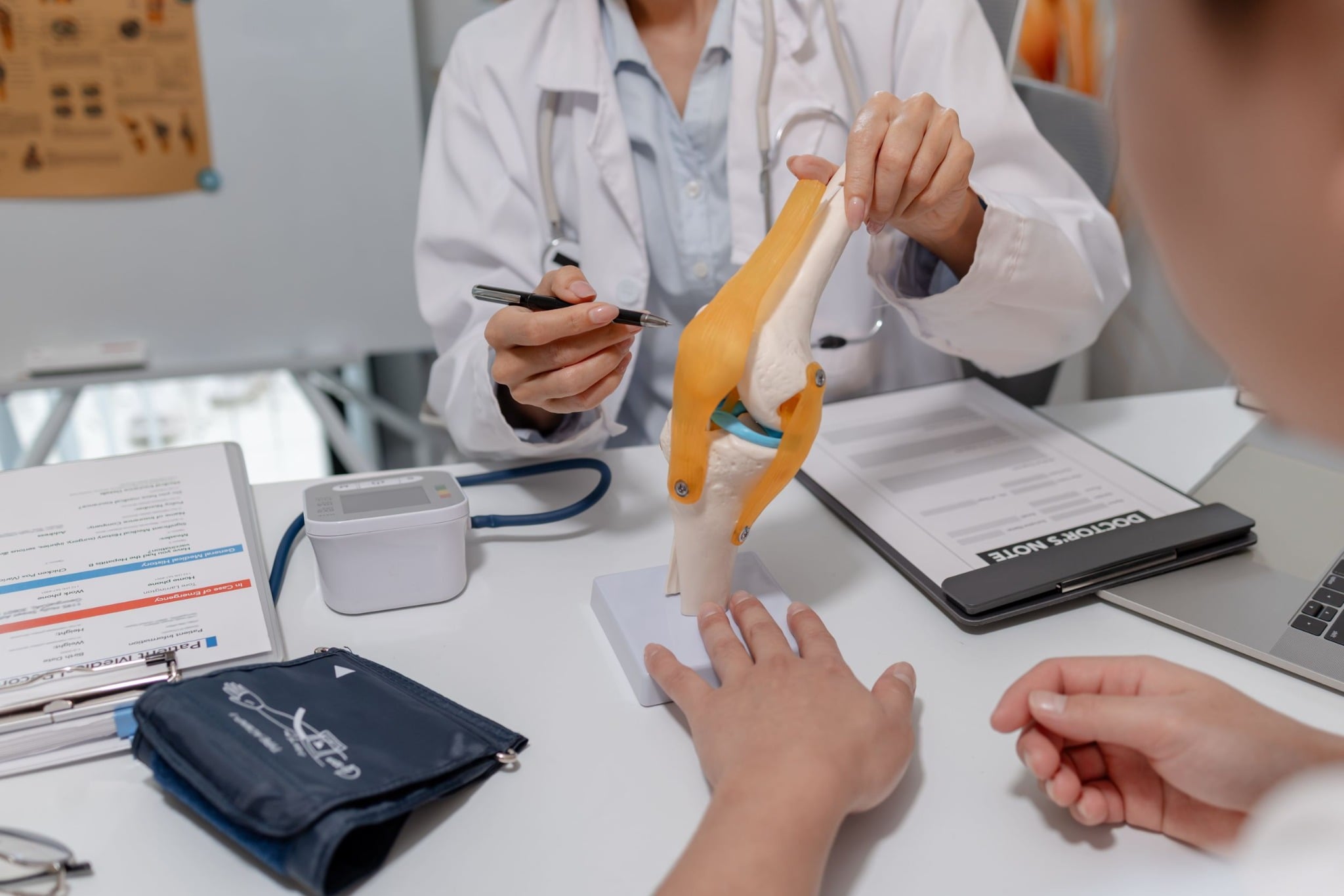
Regenerative medicine basics
Regenerative medicine is a non-surgical approach to treating injuries or chronic pain. The process uses the patient’s natural healing factors like platelets or stem cells to accelerate healing. Platelets or stem cells are harvested from blood or a certain part of the body, processed, and then injected into the problem area. Common examples of regenerative medicine are platelet-rich plasma (PRP) injections and mesenchymal stem cell (MSC) therapy. Regenerative medicine is not a one-time treatment but continuous therapy. The effects include reducing inflammation and pain, speeding up healing, and even helping with tissue regeneration. Regenerative medicine is an evolving practice with mixed results in some areas of medicine. For joint pain and related conditions, however, results are promising.
Why patients choose regenerative medicine
For individuals with chronic joint pain, regenerative medicine is a viable choice. This is a minimally invasive option that has little downtime. Patients can get treatment quickly with little, if any, side effects. Regenerative medicine appeals to those who want to delay or avoid surgery. Scarring, surgical costs, or the possibility of corrective surgery can deter potential patients from choosing regenerative medicine over surgery. Initial research suggests that regenerative medicine is more effective for some joint conditions than others. Patients with chronic but mild-to-moderate joint pain choose regenerative medicine as the first treatment step. As there is more healthy tissue around the damaged location, regenerative medicine is more likely to provide favorable results.
When surgery is more appropriate
Regenerative medicine shows promise, yet there are times where surgery is the best course of action. The joint pain and damage progressed to a point where regenerative medicine cannot assist. For instance, imaging shows significant joint damage or the complete tear of a ligament or tissue. Patients with severe osteoarthritis or significant cartilage loss that causes bone-on-bone contact may skip regenerative medicine for a joint replacement. Major structural instability that limits mobility can benefit from surgical procedures to repair the root cause. Recovery is longer, but the patient’s long-term joint health, relative to physical goals, will benefit from surgery.
This guides your decisions
Every patient’s situation is different, but there are common factors that can guide the choice of the best treatment. The severity of joint pain and the underlying cause will be the biggest decision-makers. Regenerative medicine can help with mild but chronic joint pain. This patient is currently trying physical therapy (PT) or other non-surgical efforts. Regenerative medicine accelerates these results. Surgery works for significant injuries, such as complete tendon tears, or limited mobility that clearly impacts quality of life. Athletes or those who are highly active and want to return to peak performance will often choose surgery. Minimally invasive surgery (MIS) allows correction of joint issues while limiting tissue damage and speeding up healing. Those who are less active but want to improve their symptoms while avoiding surgery will lean toward regenerative medicine.
Give joint pain your best
In the right situations, both regenerative medicine and surgery can help with chronic joint pain. Joint condition, long-term goals, and personal preference will guide options. An orthopedic surgeon or similar specialist can help guide this decision. A thorough assessment can provide a clearer picture of joint damage and the underlying causes of joint pain. These minor details reveal whether someone is an ideal candidate for regenerative medicine or surgery. In some cases, regenerative medicine can help heal or maintain joint health after surgery. Clear feedback and proper decision-making can help provide lasting relief.
Recent Blogs

Ligament Stability: 3 Questions To Ask Your Orthopedic Doc About Reconstruction
RIO Orthopedic2026-11-07T15:46:25-05:00October 14th, 2026|

Shoulder Surgery: How To Prepare For A Successful Labral Repair Procedure
RIO Orthopedic2026-10-04T18:43:00-05:00October 7th, 2026|

Regenerative Medicine vs Traditional Care: The Evolution Of Sports Injury Treatment
RIO Orthopedic2026-09-15T17:28:49-05:00September 24th, 2026|