
Is Surgery Really Necessary?
Chronic tendonitis often starts small and sticks around longer than expected. Rest, physical therapy, and medications may help at first, but pain can keep coming back with movement or daily use. When symptoms stop improving, options like platelet-rich plasma (PRP) therapy or surgery may come into consideration. The decision often comes down to how much damage is present and how the tendon has responded to earlier treatment.
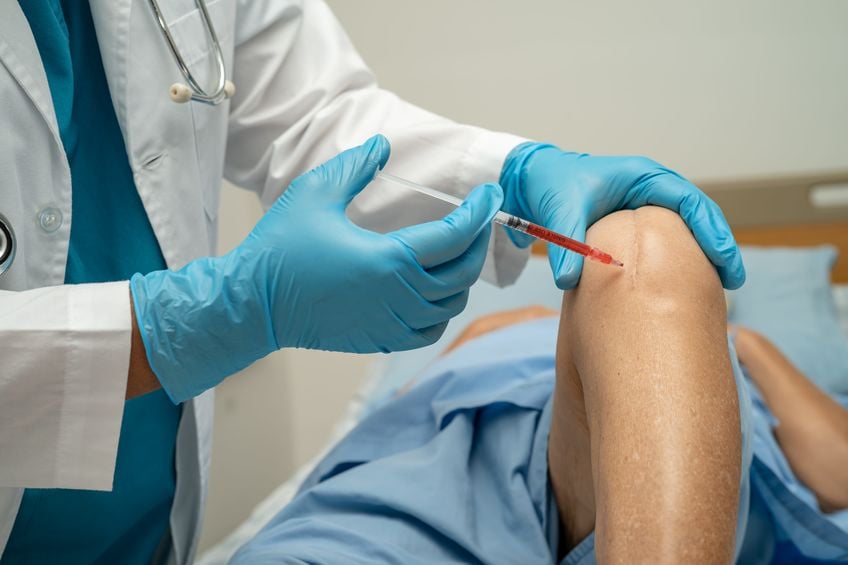
A different way to heal
PRP therapy uses a small sample of blood to improve healing. The blood is processed to concentrate platelets, then injected into the injured tendon. The platelets release growth factors that help the body repair the area over time. The injection is placed directly into the damaged portion of the tendon to target the source of pain more precisely. The focus is on helping the tendon heal rather than cutting or removing damaged tissue.
Fixing more severe damage
Surgery takes a direct approach to fixing tendon damage. A surgeon may repair torn fibers, remove damaged tissue, or reinforce weakened areas. Surgery is usually considered when the tendon is badly damaged or no longer stable, including more advanced cases of chronic tendonitis. Imaging, such as MRI or ultrasound, is often used beforehand to confirm the extent of and location of the damage. While surgery can fix the problem structurally, recovery tends to be longer and more involved.
Getting back to normal
Recovery can look very different depending on the approach. PRP therapy often allows a return to light activity within days to weeks, depending on the area treated. Some soreness or stiffness may show up early on as the tendon begins to respond to treatment. Surgery usually requires a longer period of limited movement, followed by rehab to rebuild strength and motion. Getting back to normal activity can take several months.
Understanding the tradeoffs
PRP therapy usually comes with fewer risks since treatment uses the blood of the patient and avoids major procedures. Mild soreness at the injection site is common, but more serious issues are rare. A more involved procedure carries higher risks, including infection, scarring, and longer downtime. The decision often comes down to how severe the injury is and what level of recovery feels manageable.
What insurance may cover
Cost can play a role when choosing between options. PRP therapy is often not covered by insurance and may need to be paid out of pocket. Tendon repair surgery is more likely to be covered when needed. Costs for PRP can vary depending on the number of treatments recommended and the area being treated. Coverage can vary by provider and condition, so checking details early is helpful.
What fits your situation
The choice between PRP therapy and a more surgery usually comes down to how much damage is present and how the tendon has responded so far. A specialist can take a closer look at movement, pain, and imaging before recommending the next step. Factors such as activity level, daily demands, and how long symptoms have lasted can also shape the decision. The aim is to reduce pain, improve movement, and choose the least invasive option that still gets results.
Recent Blogs
Collarbone Surgery: 3 Signs You Need Surgical Repair For A Clavicle Fracture
RIO Orthopedic2026-09-10T12:12:40-05:00September 10th, 2026|

Achilles Tendon Repair Recovery: The Critical Role Of Physical Therapy
RIO Orthopedic2026-09-10T12:12:58-05:00September 3rd, 2026|

Meniscus Tear: Can This Common Knee Injury Heal Without Undergoing Surgery?
RIO Orthopedic2026-08-03T22:39:50-05:00August 28th, 2026|