
Back On Your Feet
An ACL tear can disrupt the knee in an instant, making everyday activities difficult. Surgery is often the first thing that comes to mind, but not every case requires surgical intervention. Some knees regain strength and function through therapy, muscle training, and joint support. Serious cases require reconstruction to restore stability. The right care depends on how severe the ACL tear is and what the knee needs.
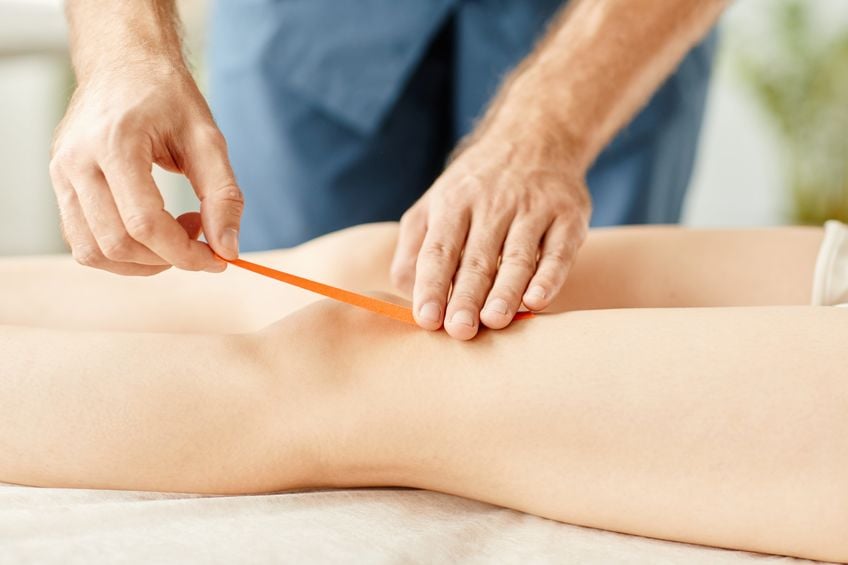
Start with a clear diagnosis
Recovery starts with understanding the extent of the injury. An exam and imaging confirm whether the ACL is partially torn, fully torn, or stretched. An accurate diagnosis points recovery in the right direction, and makes clear whether therapy will be enough or if surgery is needed. Once the diagnosis is set, the real work of rebuilding the knee can begin.
Building knee stability
Partial tears often respond to therapy alone. Strengthening the quadriceps, hamstrings, and glutes helps the knee remain stable when walking or climbing. Balance drills retrain coordination, and low-impact exercise like cycling or pool work protects the joint while building muscle. These actions teach the knee to function even without a fully intact ligament.
Protecting the joint
Bracing can give stability during recovery, especially for daily activities or light exercise. A well-fitted brace limits sudden twisting that can worsen damage. Pairing a brace with guided therapy reduces pain and lowers the chance of setbacks. Support gear is not a cure, but it creates safety for the healing process.
Avoiding setbacks
Protecting the knee after an ACL tear is just as important as healing the tear itself. Avoiding sudden pivots, heavy lifting, and uneven surfaces reduces the risk of new damage. Therapy often includes training in safer movement patterns to keep the joint stable during normal use. Prevention helps protect progress already made.
When surgery makes sense
A fully torn ACL often leaves the knee unstable even during routine motion. In this case, surgery may be the only way to restore strength for demanding activity. ACL reconstruction uses graft tissue to replace the ligament, which gives the knee a stronger foundation. Surgery is not for everyone, but for athletes or active workers, it can be the step that prevents repeated collapse.
Keeping the knee strong
Even without surgery, ongoing conditioning keeps the knee reliable. Targeted strength work, regular flexibility drills, and balance training maintain stability. Low-impact movement, such as swimming or stationary cycling, supports healthy circulation and helps prevent stiffness. Commitment to these routines makes everyday activity possible with less pain.
The work pays off
Healing takes time, whether or not surgery is involved. Ligaments recover slowly, and surrounding muscles need practice to protect the joint again. Relief comes from small gains, such as walking without pain, standing longer, or climbing stairs with balance. Over time, those steps rebuild confidence in the knee.
Recent Blogs
Collarbone Surgery: 3 Signs You Need Surgical Repair For A Clavicle Fracture
RIO Orthopedic2026-09-10T12:12:40-05:00September 10th, 2026|
Achilles Tendon Repair Recovery: The Critical Role Of Physical Therapy
RIO Orthopedic2026-09-10T12:12:58-05:00September 3rd, 2026|

Meniscus Tear: Can This Common Knee Injury Heal Without Undergoing Surgery?
RIO Orthopedic2026-08-03T22:39:50-05:00August 28th, 2026|