
When Basic Care Is Not Enough
Lower back pain strikes quickly and makes simple tasks feel considerably harder. Sometimes, back pain is just a pulled muscle. In other cases, lower back pain can drag on, linger, or flare up again and again. What starts as a minor strain can turn into a long-term problem without the right care. Knowing when to treat lower back pain at home and when to seek a sports medicine expert can help prevent recurring issues.
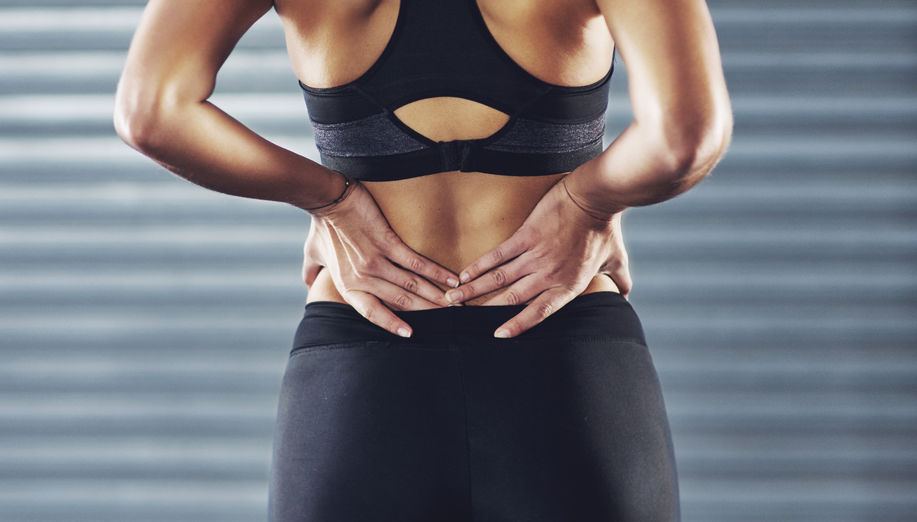
What the pain feels like
Lower back strains occur when muscles or soft tissues in the lumbar area are pulled too far. Pain often starts suddenly after lifting, twisting, or overreaching. The pain may feel like tightness, soreness, or sharp discomfort, especially when bending forward or standing for long periods. Stiffness, spasms, and reduced range of motion are also common. These symptoms can last a few days or stretch into a few weeks, depending on severity and treatment.
First steps to take
Most mild to moderate lower back strains improve with basic care. Resting for a short time, applying ice, and avoiding heavy lifting can help bring down inflammation. After the first couple of days, light movement, gentle stretching, and heat may loosen stiff muscles and ease pain. Over-the-counter pain relievers can also reduce swelling and discomfort. Staying still for too long often makes things worse, so moving carefully and gradually tends to help.
When to worry
Some symptoms suggest that the strain may not be a simple muscle issue. Numbness, tingling, or pain that spreads into the legs may indicate nerve involvement. Weakness, loss of balance, or changes in bladder or bowel control are also red flags. These signs may need more than home care. If pain stays the same or worsens after a week, a deeper look may be necessary.
Getting a diagnosis
Sports medicine doctors often treat muscle injuries, even in non-athletes. These specialists look at movement patterns, muscle balance, and injury history to figure out what is really going on. A sports medicine evaluation can help rule out more serious problems and create a plan for healing that goes beyond rest. This may include physical therapy, exercises, or imaging if needed.
What to expect from recovery
Physical therapy often starts with light movement, posture work, and ways to reduce pain without aggravating the injury. A therapist may look at how the body moves and figure out what muscles need more support. Early sessions may focus on gentle exercises, stretching, or guided movement. Over time, the plan often changes toward building strength and improving movement habits. The goal is to reduce tension, bring balance back to the muscles, and lower the risk of another strain down the line.
Stay strong after the strain
Once the pain settles, keeping the muscles strong and balanced can help prevent the same problem from coming back. Core strength plays a big part, since those muscles support the spine during daily movement. Using better lifting form, bending through the hips, and staying flexible in the legs and hips can all help reduce strain. Simple routines that target strength, balance, and posture may keep small issues from turning into big ones later on.
Healing faster with help
With lower back strains, guessing can drag out the problem. Sports medicine offers a clearer and more effective treatment. Working with someone who understands the mechanics of movement can speed up recovery and lower the chance of repeat injuries. A plan that fits the injury makes getting back to normal safely much easier.
Recent Blogs

Meniscus Tear: Can This Common Knee Injury Heal Without Undergoing Surgery?
RIO Orthopedic2026-08-03T22:39:50-05:00August 28th, 2026|

Arthroscopic ACL Reconstruction: Faster Recovery For Athletes
RIO Orthopedic2026-08-03T22:38:06-05:00August 21st, 2026|

Elbow Pain: How To Tell If You Have Tennis Elbow Or Golfer’s Elbow
RIO Orthopedic2026-08-03T22:38:51-05:00August 14th, 2026|