
The Dangers Of Pitching
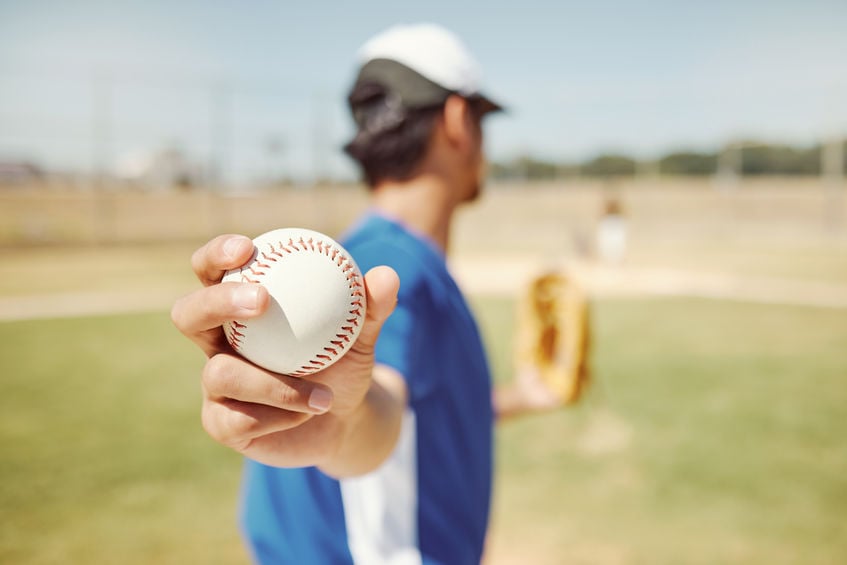
Pitching is arguably 1 of the most intensive actions performed in a sporting activity. The repetitive, risky, and fast action places significant stress on the shoulder, elbow, and arm. The average starting pitcher throws 100 pitches per game at high speed and many more during practice. Pitching is also an inherently unnatural movement, with repetitive motion causing microtrauma on muscles, tendons, and ligaments. Over time, pitchers are prone to injuries like tendon and ligament tears, or rotator cuff injuries. Perhaps the most common injury is elbow tendonitis, which leads to significant pitching pain and further complications. An elbow tendonitis diagnosis can be addressed surgically or non-surgically using bracing. Athletes with elbow tendonitis should understand these options and make the best decision for a longer, safer career.
What is elbow tendonitis?
The forearm muscles contain tendons that connect to the outer and inner elbow. If these tendons become damaged or stretched repeatedly, small tears and other structural issues can occur. The resulting pain, swelling, tenderness, and inflammation is elbow tendonitis. This is a compounding, repetitive strain injury common among pitchers, manual laborers, and individuals who perform constant arm movements. Most cases involve damage to the tendon connected to the outer part of the elbow. This condition is also known as lateral epicondylitis or tennis elbow, as this injury is common among tennis players. Elbow tendonitis can also occur on the inner elbow, called medial epicondylitis, however, this is less common among pitchers.
Bracing as a first, effective step
Pitchers experiencing elbow tendonitis symptoms should seek medical attention immediately. Doctors will confirm the condition using physical examinations and imaging, which detect tears or other structural concerns. Bracing is the first treatment step designed to limit movement and reduce stress on the elbow. The medical team will prescribe elbow straps, counterforce bracing, or elbow sleeves to stabilize and compress the elbow. Bracing is an effective non-surgical strategy for reducing pain, relieving inflammation, and allowing the tendons to heal. The athlete is not allowed to pitch but can improve function in other activities while giving the arm time to heal. Some players can still bat or participate in the game but cannot pitch while bracing the arm. Bracing also works well when combined with physical therapy, rest, and temperature therapy.
When surgery is needed
Sometimes, elbow tendonitis is severe and may not respond to bracing. Constant pain, discomfort, and a significant dip in performance can indicate a more severe concern. These cases require surgery for less pain, improved recovery, and long-term function. Surgery seeks to address tendon abnormalities while preserving as much joint function as possible. Debridement removes damaged tissue to relieve pressure on the tendon. The surgeon can also remove bone spurs and damaged tissue. A tendon release cuts away part of the tendon or scar tissue to improve function. Severe cases may require relocating or reconstructing the tendon for improved function. The surgeon will choose the appropriate option based on the underlying cause of the condition.
Open vs minimally invasive
Surgery can be performed with a single, large incision along the elbow. This process allows full view of the elbow and an effective procedure. Open surgery, however, leads to more blood loss, larger scars, and longer periods of postoperative pain. Patients also need more time to heal. Minimally invasive surgery (MIS) uses small incisions and arthroscopy to access and repair the tendon. This option helps patients leave the hospital the same day and begin recovery immediately. MIS patients experience less blood loss, smaller scars, and a faster recovery. Factors such as patient health, degree of damage, and surgeon’s expertise will determine the best option.
Bracing vs surgery
Bracing is an effective non-surgical strategy for mild to moderate cases of elbow tendonitis. This option seeks to provide support and reduce pain while allowing the elbow to heal. Surgery corrects the issue causing elbow tendonitis, removing damaged bone or tissue. Bracing helps with symptom relief in mild cases but will not help severe cases. Athletes who still want to perform may use bracing as minimal downtime is required but performance is limited. Surgery involves months of recovery and rehabilitation but can lead to a maximum return to performance. Surgeons will recommend bracing as an initial form of treatment, while surgery helps pitchers who struggle with months of pain without improvement.
Returning to pitching
Pitching pain is a common concern among baseball players. Some pitchers can struggle with elbow tendonitis due to repetitive stress. The constant pain, swelling, and tenderness can limit performance. Treatment can be either bracing or surgery. A non-surgical option, bracing is effective for mild to moderate cases. Advanced issues that do not respond to bracing need surgery. Consider the pros and cons of both cases and take action for long-term health and improved performance.
Recent Blogs

Knee Replacement: Can Regenerative Medicine Help You Avoid Major Surgery?
RIO Orthopedic2026-09-15T17:28:42-05:00September 17th, 2026|
Collarbone Surgery: 3 Signs You Need Surgical Repair For A Clavicle Fracture
RIO Orthopedic2026-09-10T12:12:40-05:00September 10th, 2026|

Achilles Tendon Repair Recovery: The Critical Role Of Physical Therapy
RIO Orthopedic2026-09-10T12:12:58-05:00September 3rd, 2026|