
Chronic Pain in Athletics
Athletes take great lengths to stay strong and fit. However, years of repetitive movement can cause injuries such as ligament damage, back pain, and joint conditions. The resulting chronic pain can feel unbearable and can worsen over time. Chronic pain eventually impacts performance and may shorten an athlete’s career. As a result, doctors often recommend therapies like pain injections or opioids, along with other non-surgical interventions. Recently, athletes have shown significant improvement in pain because of growth factor therapy.

Is growth factor therapy an option?
Regenerative medicine is quickly becoming a solution to treating injuries and managing pain. This concept uses a patient’s genetic material from one area to promote healing in another. Typical examples are the use of stem cells or platelet-rich plasma. Growth factor (GF) therapy is one such type of regenerative medicine. GF therapy uses the body’s growth factors for healing, pain management, and tissue regeneration. The therapy improves the body’s ability to regenerate, hence reducing pain.
Why do athletes prefer GF therapy?
Potent opioids have remained prevalent in pain management. However, these drugs lose efficacy over time, requiring higher doses, which lead to dependency. Currently, opioids are the leading cause of drug overdose deaths in America. GF therapy helps athletes avoid opioids and the possibility of addiction. GF GF therapy side effects are minimal and self-limiting. Patients also enjoy a faster recovery, less pain, and a better quality of life. Best of all, athletes can avoid being sidelined for months following surgery.
The GF therapy process
The type of growth factor therapy will depend on the condition or injury that needs treatment. Some patients may require epidermal growth factors to regenerate collagen. Others may need growth factors from platelets or stem cells. The medical specialist will extract the material from blood, fat, or bone marrow. The growth factors are then separated and processed. The athlete receives the growth factors through injections at the pain site. GF therapy may be part of an overall plan that includes physical therapy, acupuncture, or other helpful techniques.
Trust your growth factors
Pain management remains one of the most challenging obstacles in modern medicine. Pain impacts each athlete differently, can return unexpectedly, and be challenging to treat. However, doctors understand that the human body has regenerative capacity. GF therapy unlocks that power. Studies show great success rates in improving pain and even restoring tissue. Chronic pain may be unavoidable for some athletes, but with GF therapy, a pain-free future is possible.
Recent Blogs
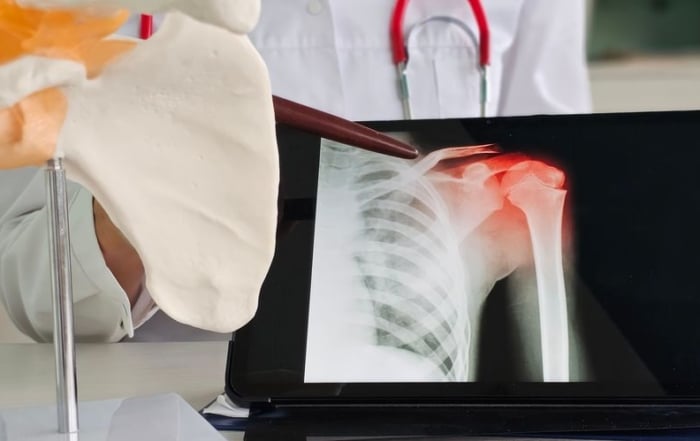
Collarbone Surgery: 3 Signs You Need Surgical Repair For A Clavicle Fracture
RIO Orthopedic2026-09-10T12:12:40-05:00September 10th, 2026|

Achilles Tendon Repair Recovery: The Critical Role Of Physical Therapy
RIO Orthopedic2026-09-10T12:12:58-05:00September 3rd, 2026|

Meniscus Tear: Can This Common Knee Injury Heal Without Undergoing Surgery?
RIO Orthopedic2026-08-03T22:39:50-05:00August 28th, 2026|