
Understanding PRP: An Outpatient Treatment
Once upon a time, platelet-rich plasma therapy (PRP) was used to improve wound healing and decrease recovery time. The procedure was often administered to elite athletes either after experiencing an injury or undergoing surgery. But in recent years, PRP has grown in popularity as a cosmetic anti-aging solution and even promotes hair growth. Because the procedure is relatively quick, PRP is often managed as an outpatient procedure. But how is PRP managed, and what must patients know before undergoing the procedure?
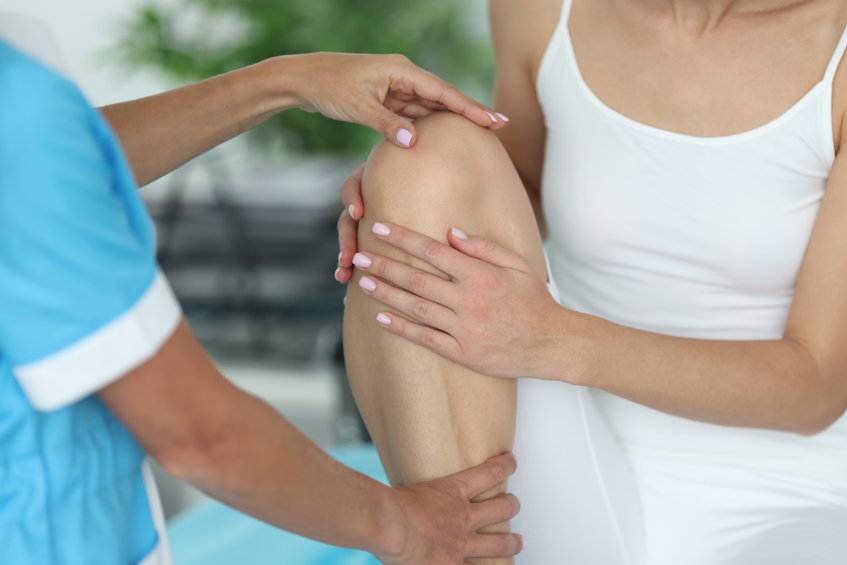
PRP explained
While PRP might sound complicated, the reality is far different. The therapeutic process relies on using a patient’s blood components as the basis for promoting improved healing and patient outcomes. Human blood is composed of red blood cells, plasma, and platelets. Plasma is the liquid part of blood, while platelets are a component of blood cells that aid in clotting, essential for healing. Patients undergoing PRP will usually have multiple tubes of blood drawn by phlebotomy, which are then filtered to separate the platelet-rich plasma from the red blood cells.
How PRP is administered
Because PRP treatments are considered somewhat invasive, patients usually need local anesthesia to numb the area. In particular, PRP used to treat wounds or injuries requires targeted injections to treat specific wound sites. People undergoing PRP injections will receive local anesthesia at the injection sites.
Does cosmetic PRP need anesthesia?
Even though cosmetic PRP is applied topically, the process is usually combined with other procedures to promote collagen growth and instant skin-smoothing effects. Most commonly used in treatments popularly known as a vampire facial or facelift, both procedures follow the same initial stages as PRP for wound healing. A dermatologist or board-certified plastic surgeon usually administers them. The dermatologist will draw a blood sample which is processed through a centrifuge to separate the PRP. However, the PRP is only applied on top of the face following both micro-needling or hyaluronic acid injections. Because both procedures require multiple tiny needle punctures, mild topical anesthesia is used to minimize discomfort.
How Effective is PRP?
Whether a person undergoes PRP for injury recovery or cosmetic reasons, the process is considered incredibly effective. The most evidence supporting the effectiveness of the procedure is in wound healing and joint injury recovery. However, results aren’t instant for healing and can take as much as six months for a patient to see measurable progress. Additionally, patients may need additional follow-up injections on an annual basis. With cosmetic PRP, you can notice results as quickly as two to three weeks after the procedure. People interested in PRP for injury wound recovery or cosmetic needs should speak with a physician, dermatologist, or board-certified plastic surgeon to discuss treatment options.
Recent Blogs

Meniscus Tear: Can This Common Knee Injury Heal Without Undergoing Surgery?
RIO Orthopedic2026-08-03T22:39:50-05:00August 28th, 2026|

Arthroscopic ACL Reconstruction: Faster Recovery For Athletes
RIO Orthopedic2026-08-03T22:38:06-05:00August 21st, 2026|

Elbow Pain: How To Tell If You Have Tennis Elbow Or Golfer’s Elbow
RIO Orthopedic2026-08-03T22:38:51-05:00August 14th, 2026|