
A Common Joint Condition That Leads To Long-Lasting Pain
Osteoarthritis is the most frequent chronic joint condition that affects the human body and is often referred to as wear-and-tear osteoarthritis. Wear-and-tear osteoarthritis of the knee occurs when the cartilage around the bones of the knee breaks down, and the bone surfaces become pitted and rough. Without cartilage, the bones are not as protected, causing bone-on-bone contact in the knee. Many individuals are at higher risk of developing arthritis in the knee.
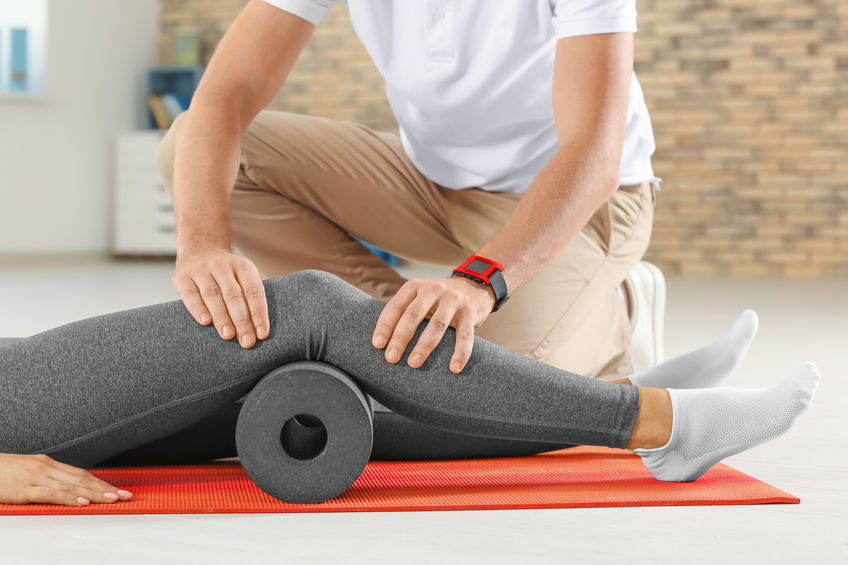
Age is a significant cause of arthritis in the knee
Most people affected by osteoarthritis are over the age of 45. While young people can develop wear-and-tear osteoarthritis, this condition is more commonly found in older individuals. As a person ages, the cartilage’s ability to heal decreases and can lead to cartilage breakdown in joints. Research suggests that 19% of people over 45 years old and 37% of those over 60 have knee arthritis.
Past joint trauma can lead to current wear-and-tear osteoarthritis
A past broken bone or severe injury to the knee joint can cause damage that leads to knee osteoarthritis. For many patients, these injuries occurred in the past, and osteoarthritis symptoms may not develop until decades later. This type of knee osteoarthritis is often referred to as traumatic arthritis.
Is your weight increasing your risk?
The knees are weight-bearing joints. Because of this, a person who is overweight or obese is more at risk of developing knee osteoarthritis than a person with a healthy body mass index (BMI). Excess weight puts pressure on the knee joints and can contribute to wear-and-tear osteoarthritis. Overweight and obese patients are often recommended to eat healthily and lose weight to alleviate joint pain.
Repeated stress to your knee can result in long-term pain
Many athletes engage in the overuse of specific joints in sports and training. Certain occupations can also lead to overuse of joints from frequent bending, kneeling, and squatting. The repetitive stress from these actions may lead to a breakdown of the cartilage of the knee joints over time and wear-and-tear osteoarthritis.
When should you see a doctor for arthritis in the knee?
Many patients with arthritis of the knee can be asymptomatic, while others will experience considerable knee pain. Recognizing early symptoms of knee arthritis can help a patient better manage the joint condition. Contact a medical provider when any of these symptoms present:
- Pain that continues despite rest
- Inflammation of the knee joint
- Tenderness on the knee joint
- Significant knee stiffness
- Inability to bear the weight of the knee
What treatment is available for wear-and-tear osteoarthritis of my knee?
The primary goals of treating osteoarthritis are to relieve pain and ensure the mobility of the patient. A medical provider will go over the possible treatment options with a patient after reviewing symptoms, examinations, and imaging. Many treatment plans include weight loss, exercise, and pain relief medications.
Recent Blogs
Knee Replacement: Can Regenerative Medicine Help You Avoid Major Surgery?
RIO Orthopedic2026-09-15T17:28:42-05:00September 17th, 2026|
Collarbone Surgery: 3 Signs You Need Surgical Repair For A Clavicle Fracture
RIO Orthopedic2026-09-10T12:12:40-05:00September 10th, 2026|

Achilles Tendon Repair Recovery: The Critical Role Of Physical Therapy
RIO Orthopedic2026-09-10T12:12:58-05:00September 3rd, 2026|