
A Better Knee with Platelet-Rich Plasma
Both weekend warriors and seasoned athletes pick up the occasional injury. An anterior cruciate ligament (ACL) sprain is one such injury athletes would rather avoid. When ACL sprains happen, the result is often weeks or months on the sidelines. Injuries of this nature have birthed different recovery methods, like regenerative medicine. Doctors now recommend platelet-rich plasma (PRP) as part of the patient’s therapy. PRP knee injections may speed up recovery and even help patients avoid surgery.

What is an ACL sprain anyway?
The knee plays a vital role in lateral movement and changes in direction. These movements are thanks to the ACL, a ligament in the knee that connects the tibia and femur. The ACL forms an X with the posterior cruciate ligament (PCL). With an ACL sprain, a sudden twist, fall, or blow causes the ligament to hyperextend but not tear. The result is usually knee swelling, pain, and limited mobility. ACL sprains may not require surgery but still needs medical attention and treatment.
Can PRP help?
More doctors are recommending regenerative medicine as part of the treatment plan for injuries like ACL sprains. Regenerative medicine uses the body’s natural ability to heal by using unique compounds. Platelet-rich plasma uses the body’s platelets to reduce pain, encourage healing, and even grow new tissue. The therapy is popular for arthritis, wound healing, and hair growth. However, most doctors use PRP for ligament and joint healing after injury. Platelets are large cells in the blood that help with clotting and healing when an injury occurs. By placing more platelets where there is an injury, doctors can stimulate faster, more efficient recovery.
What should you expect during PRP knee injections?
An ACL sprain would require pain management, bracing, and physical therapy. Adding PRP knee injections to the mix accelerates the process. First, the medical team will take a blood sample from the patient. The sample goes into a centrifuge which separates the platelets and red blood cells. The platelets are then mixed with plasma and injected into the knee. This process can take less than an hour at the doctor’s office. PRP knee injections can happen several times over the recovery period.
Do PRP knee injections work?
The additional platelets stimulate stem cell growth and reduce inflammation. Platelets also contain and carry growth factors to a given area to promote healing. Studies show that PRP reduces pain and accelerates the recovery timeline in different ligament injuries. Even for more severe injuries like ACL tears, studies show that PRP reduced pain and sped up healing after surgery. PRP continues to be one of the more effective non-surgical options available.
The future of medicine
Over 200,000 ACL injuries happen yearly, and the numbers continue to rise. The pain, swelling, and stiffness can keep athletes off the field for months. Once a doctor confirms there is no ACL tear, consider adding PRP as part of the recovery process. Not only is PRP a natural option, but there is proof that patients can get back to normal activities quicker.
Recent Blogs
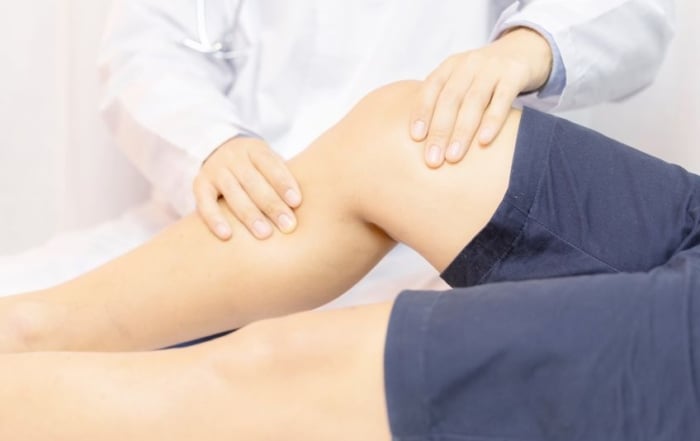
Knee Replacement: Can Regenerative Medicine Help You Avoid Major Surgery?
RIO Orthopedic2026-09-15T17:28:42-05:00September 17th, 2026|
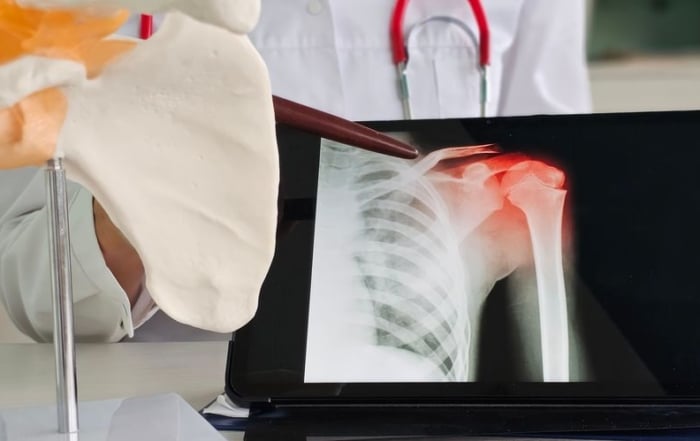
Collarbone Surgery: 3 Signs You Need Surgical Repair For A Clavicle Fracture
RIO Orthopedic2026-09-10T12:12:40-05:00September 10th, 2026|

Achilles Tendon Repair Recovery: The Critical Role Of Physical Therapy
RIO Orthopedic2026-09-10T12:12:58-05:00September 3rd, 2026|