
How Long Until The Knee Feels Normal Again?
Recovery after an anterior cruciate ligament (ACL) surgery takes time, with progress unfolding in stages rather than all at once. Walking and basic movement often return within a few weeks, but a full return to sports that involve cutting or pivoting usually takes 9-12 months. Strength and stability need to return before the knee feels reliable again during higher-impact activity.
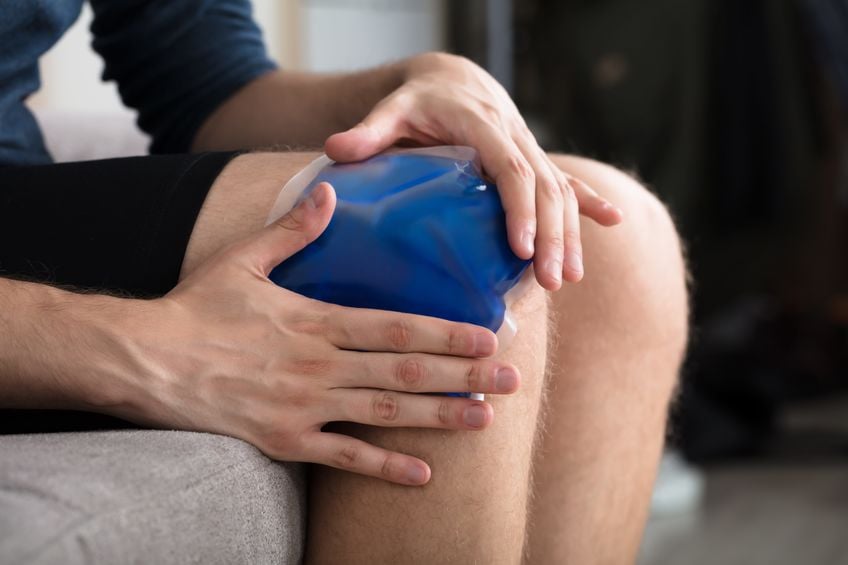
The early phase after surgery
During the first couple of weeks, the focus is on calming the swelling and getting the knee moving again. Pain is usually strongest during the first few days, then starts to ease. Crutches are often needed early on, and short walks around the house may be the main form of movement. Physical therapy (PT) usually begins right away, with simple knee exercises that help restore motion and prevent stiffness.
Returning to normal activity
Between weeks 3 and 6, walking starts to feel more natural. Many people begin to move around without crutches, though longer walks can still cause swelling or fatigue. Sitting or standing for long periods can make the knee feel stiff. Light daily routines and desk work often feel manageable again.
Rebuilding strength and control
Around the 2-4-month mark, focus moves to rebuilding strength and control. The quadriceps and surrounding muscles need time to support the knee again. Exercises become more challenging, and movement starts to feel more controlled. Activities such as cycling or light jogging may be introduced as progress allows.
Getting back to sports
Returning to sports takes longer because the knee needs to handle quick turns, stops, and impact. Most people begin working toward higher-intensity movement around 6 months, but full return to sports like soccer or basketball often takes closer to 9-12 months. A gradual build helps protect the knee from reinjury.
Factors that shape progress
Recovery can move faster or slower depending on a few factors. Consistency with PT plays a big role in progress. The type of graft used during surgery can affect healing time. Strength and fitness before surgery also make a difference in how quickly the knee regains stability.
Reading the signs early
Pain is usually most noticeable during the first few days and begins to ease within the first couple of weeks. Swelling often lasts longer and can increase after activity, especially during early rehab. A knee that feels tight or sore after exercises is common, but sharp or worsening pain is not. Gradual improvement is a good sign that recovery is on track.
When something feels off
Certain changes can point to a more serious problem. Swelling that does not improve with rest, increasing pain, or warmth and redness around the knee can be a sign of irritation or infection. Limited range of motion that does not improve over time may also need attention. Early follow-up can help prevent small issues from turning into larger setbacks.
Progress is not always linear
Recovery rarely follows a straight path. Strong days can be followed by stiffness or fatigue, especially after new exercises are introduced. Pushing too quickly can lead to swelling or strain that slows progress. Consistent effort, with gradual increases in activity, tends to lead to more reliable long-term results.
Getting back to normal
Movement starts to feel more natural again as strength, balance, and control return. Walking, climbing stairs, and changing direction become easier and steadier with time. A return to sports depends on how well the knee handles impact and quick movement without pain or instability. With a gradual approach, the knee can support a full return to activity without setbacks.
Recent Blogs
Knee Replacement: Can Regenerative Medicine Help You Avoid Major Surgery?
RIO Orthopedic2026-09-15T17:28:42-05:00September 17th, 2026|
Collarbone Surgery: 3 Signs You Need Surgical Repair For A Clavicle Fracture
RIO Orthopedic2026-09-10T12:12:40-05:00September 10th, 2026|
Achilles Tendon Repair Recovery: The Critical Role Of Physical Therapy
RIO Orthopedic2026-09-10T12:12:58-05:00September 3rd, 2026|