
How Should You Treat Joint Inflammation?
Joint inflammation can be painful and limit movement. This is the body’s natural response to pain, injury, or disease of the joint, which can happen occasionally or be a chronic condition. Common causes of joint inflammation include overuse, arthritis, an underlying injury, or infection. There are multiple ways to treat joint inflammation, with cortisone injections a viable strategy. Lately, there has been a rise in biologic injections, especially among athletes looking for a natural way to ease pain. Is this type of regenerative medicine better than the tried and trusted cortisone shot? Exploring the details and evidence can help patients make the right decision for long-term joint health.
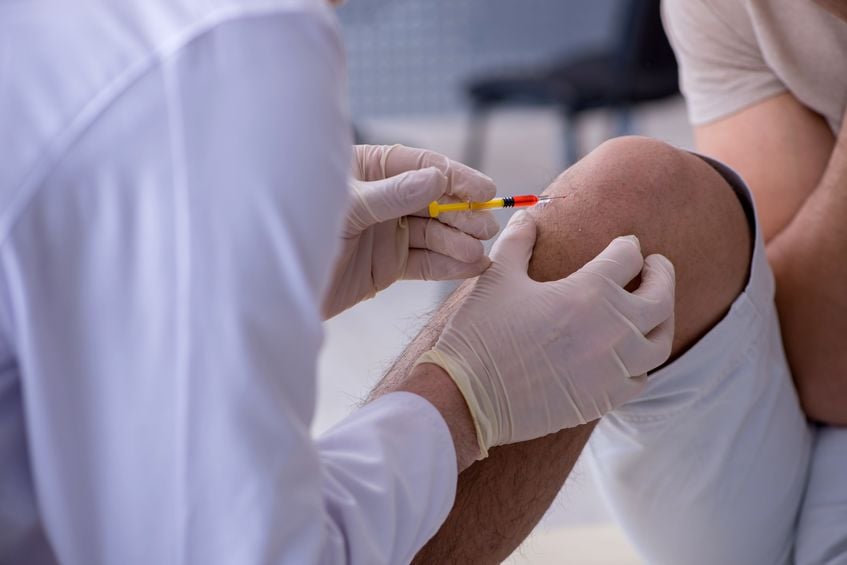
Understanding cortisone injections
Mild to moderate cases of joint inflammation can be managed with physical therapy (PT) and pain medication. Most individuals will use oral or topical non-steroidal anti-inflammatory drugs (NSAIDs) for pain relief. For chronic cases that do not respond to NSAIDs, cortisone injections are a viable option. This medication is an anti-inflammatory drug, sometimes combined with a steroid or pain medication. When injected into a joint by a doctor or pain management specialist, cortisone suppresses the immune response responsible for swelling and pain. Cortisone injections are a popular solution for conditions like tendonitis, runner’s knee, rotator cuff pain, tennis elbow, or trigger finger. These injections can provide relief for days and last for weeks or months.
The power of biologics
Biologic injections use the body’s natural healing factors to reduce inflammation and boost healing in the joint. When someone has an injury, the body sends platelets and stem cells for healing and regeneration. Biologic injections seek to accelerate this process. Platelet-rich plasma (PRP) injections are the most common and accessible biologic injection for joint inflammation. The injection contains concentrated platelets, which release growth factors that promote tissue repair and reduce inflammation over time. A doctor takes a blood sample from the patient, separating the platelets in a centrifuge. The white blood cells are combined with plasma and injected into the affected joint. Other upcoming biologics include stem cells harvested from bone marrow for tissue regeneration.
Which option is best?
Both options are non-surgical solutions that can appeal to individuals who wish to delay or avoid surgical procedures. At the same time, there are differences to consider. Cortisone injections provide immediate symptom relief. Patients experiencing severe pain that limits daily activity or delays rehabilitation will see benefits from cortisone injections. These injections are an alternative for those hoping to avoid stronger oral opioids. Biologic injections, on the other hand, are excellent for long-term management. Instant relief is limited, but studies show regenerative medicine improves joint function and reduces pain over a longer period. Both are safe and well-tolerated. Cortisone injections can weaken tissue and joint function when used incorrectly. While not immediately effective, biologic injections cause minimal side effects as the patient’s own cells are involved.
Fight joint inflammation today
Joint inflammation from overuse, injury, or chronic conditions can impact quality of life. Injectable therapy is a viable, non-surgical strategy to manage pain, which can then optimize treatment, delay surgery, or support healing. Cortisone injections provide immediate relief for several weeks or months, while biologic injections are a long-term strategy that focuses on healing and regeneration. Patients with acute inflammation may benefit from cortisone, while those seeking to support joint healing and delay progression may consider biologic therapies. Doctors recommend a combination approach with cortisone injections for immediate relief, and PRP or similar approaches for long-term support. Understanding how each option works paves the way for sustained health outcomes.
Recent Blogs
Knee Replacement: Can Regenerative Medicine Help You Avoid Major Surgery?
RIO Orthopedic2026-09-15T17:28:42-05:00September 17th, 2026|
Collarbone Surgery: 3 Signs You Need Surgical Repair For A Clavicle Fracture
RIO Orthopedic2026-09-10T12:12:40-05:00September 10th, 2026|

Achilles Tendon Repair Recovery: The Critical Role Of Physical Therapy
RIO Orthopedic2026-09-10T12:12:58-05:00September 3rd, 2026|