
From Setbacks To Comebacks
For athletes, injuries are an unfortunate but inevitable reality. From sprained ankles to torn ligaments, athletes often face setbacks that can sideline them for weeks, months, or even end careers. Traditional treatments like surgery, physical therapy, and pain management have long been the go-to solutions. However, regenerative medicine is revolutionizing how athletes recover from injuries.

The end of symptom management
Regenerative medicine is an innovative field focused on repairing, replacing, or regenerating damaged tissues and organs. Unlike conventional treatments that merely manage symptoms, regenerative medicine addresses the root cause of the injury by harnessing natural healing processes. For example, stem cell therapy involves injecting stem cells from the body into injured areas to promote tissue repair and reduce inflammation.
The fast track to recovery
Traditional surgeries often require lengthy rehabilitation periods. Regenerative therapies, on the other hand, can significantly shorten recovery times, allowing athletes to get back in the game sooner. By promoting the regeneration of healthy tissue, these therapies can strengthen injured areas, reducing the likelihood of future injuries. Many regenerative treatments are non-surgical, involving injections rather than incisions. This means less downtime and fewer complications.
The science of self-repair
Stem cell therapy uses stem cells from the body to repair damaged tissues. These cells can transform into specialized cells, promoting healing and reducing inflammation. Injected into injured areas, stem cells help regenerate tissue, which is ideal for treating sports injuries, joint damage, and chronic conditions like arthritis.
The power of blood
Platelet-rich plasma (PRP) therapy uses the blood of the patient to speed up healing. Blood is drawn, platelets are concentrated, and then injected into the injury site. Platelets contain growth factors that repair tissue and reduce inflammation. PRP is effective for tendon injuries, joint pain, and muscle tears. This treatment offers a quick, natural recovery with minimal risk of side effects.
Healing from within
Prolotherapy involves injecting a solution, often dextrose, into damaged ligaments or tendons. This triggers the natural healing response, strengthening the tissue over time. Prolotherapy is a non-surgical option for chronic pain and injuries that do not respond to traditional treatments, providing long-term relief and improved function.
Lab-grown solutions
Tissue engineering creates lab-grown tissues and organs to replace damaged ones. By combining biology and engineering, scientists develop functional tissues for joint repair or organ transplants. While still emerging, tissue engineering has the potential to revolutionize treatment for injuries and diseases, offering hope for conditions once considered untreatable.
Challenges and considerations
While regenerative medicine holds immense promise, there are many challenges to consider. These treatments can be expensive and are often not covered by insurance. The field is also still evolving, and not all therapies are FDA-approved or widely available. While there are plenty of anecdotal success stories, more large-scale clinical trials are needed to fully understand the efficacy and long-term effects of these treatments.
The future of healing is here
Regenerative medicine is no longer the stuff of science fiction. The technology is here and transforming the way people think about healing. For athletes dealing with the physical toll of high-performance sports, these therapies offer hope for a quicker, more effective recovery. While more research and advancements are needed, the potential for regenerative medicine is undeniable.
Recent Blogs
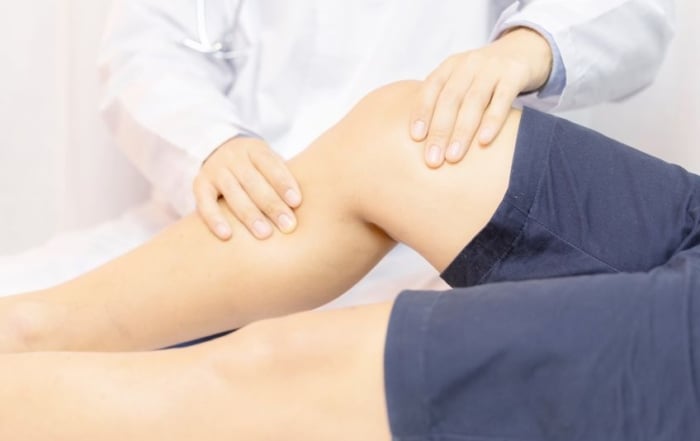
Knee Replacement: Can Regenerative Medicine Help You Avoid Major Surgery?
RIO Orthopedic2026-09-15T17:28:42-05:00September 17th, 2026|
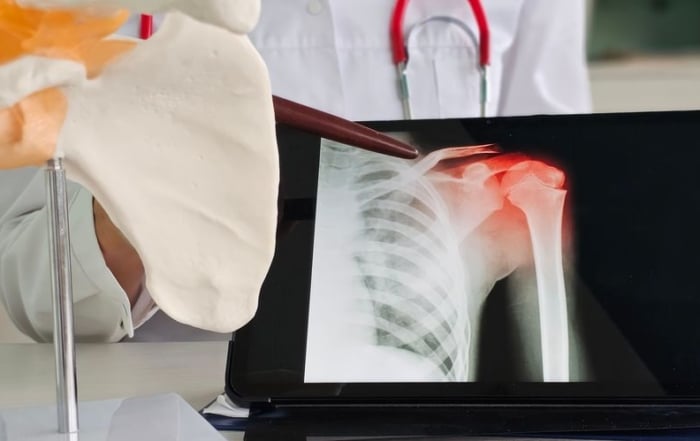
Collarbone Surgery: 3 Signs You Need Surgical Repair For A Clavicle Fracture
RIO Orthopedic2026-09-10T12:12:40-05:00September 10th, 2026|
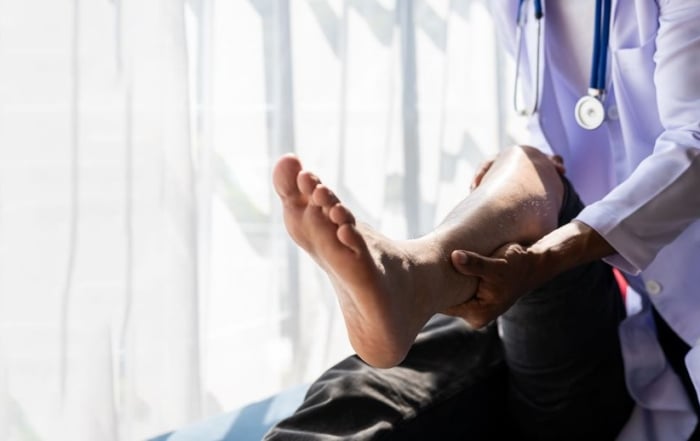
Achilles Tendon Repair Recovery: The Critical Role Of Physical Therapy
RIO Orthopedic2026-09-10T12:12:58-05:00September 3rd, 2026|