
The Road Back To Play
Hamstring injuries are common in sports that involve sprinting, jumping, or quick direction changes. Even a mild strain can limit movement and disrupt training. Returning too soon risks reinjury, but waiting too long can set progress back. Recovery from a hamstring injury takes patience, strategy, and the right steps. Several strategies help support a safer return to play after a hamstring injury.
1. Ease in with purpose
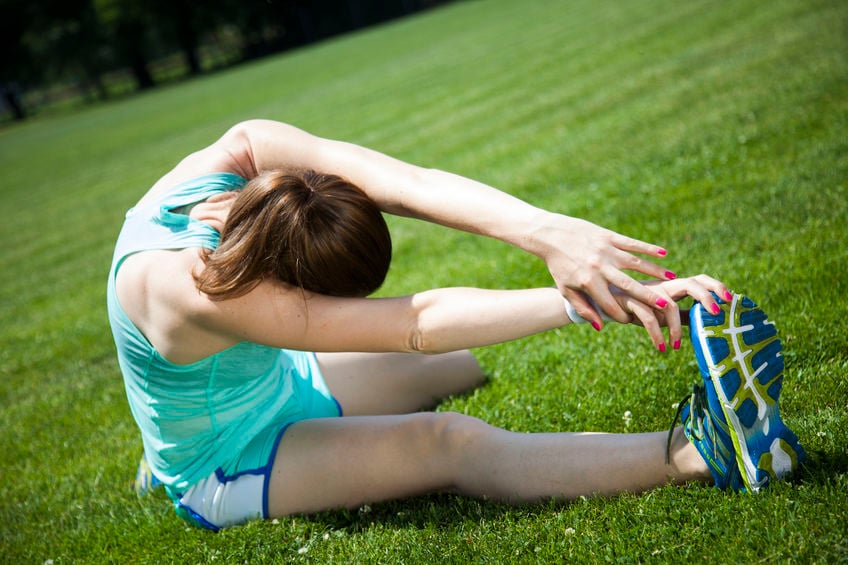
Rest is essential early on, but movement matters too. Gentle stretching and low-impact activity help restore range of motion without overstressing the muscle. Physical therapy can guide this stage with specific exercises to rebuild strength and flexibility. The goal is steady progress, not pushing through pain. Letting the tissue heal while staying active helps maintain readiness.
2. Focus on strength and balance
Strong, balanced muscles protect the hamstrings from additional strain. Recovery plans often include glute bridges, eccentric hamstring curls, and core stabilization work. These exercises build support where it counts. Addressing muscle imbalances or weaknesses in the hips or core can reduce the chances of injury down the line. Small, consistent steps build a stronger foundation for sport-specific movements.
3. Do not skip the warm-up
A proper warm-up gets muscles ready to move. Dynamic stretching, light cardio, and mobility drills boost circulation and prepare the body for higher effort. After an injury, warming up is more than routine. Warming up is part of injury prevention. Making warm-ups a habit before practice or competition helps reduce strain and keeps the hamstrings primed for action.
4. Listen to your body
Mild soreness can be part of recovery, but sharp pain or tightness is a red flag. Paying attention to how the body responds during and after activity can help guide pacing. Communication with trainers or physical therapists supports a return plan that adapts as needed. Progress looks different for everyone. A personalized approach leads to better long-term results.
Ready or not?
Before jumping back into competition, some providers may use functional tests to assess readiness. This can include checking flexibility, leg strength symmetry, and how well the hamstring holds up under sport-specific movements. Passing these tests helps reduce the risk of a setback. Even if pain is gone, a structured clearance process gives more confidence that the body is truly ready.
No more setbacks
Getting back in the game is only part of the story. Staying strong takes just as much focus. Reinjury is common if hamstring strength, flexibility, or movement mechanics have not fully recovered. Keeping up with targeted strength training, proper warm-ups, and ongoing mobility work can make a difference. Paying attention to early signs of tightness or fatigue helps catch issues before the damage is done.
Eyes on the long game
Hamstring recovery does not happen overnight, but with patience and a solid plan, returning to sports is possible. The goal is building strength, staying consistent, and knowing when to push and when to pause. Support from medical professionals, coaches, and careful attention to progress make all the difference on the road back to peak performance.
Recent Blogs
Knee Replacement: Can Regenerative Medicine Help You Avoid Major Surgery?
RIO Orthopedic2026-09-15T17:28:42-05:00September 17th, 2026|

Collarbone Surgery: 3 Signs You Need Surgical Repair For A Clavicle Fracture
RIO Orthopedic2026-09-10T12:12:40-05:00September 10th, 2026|

Achilles Tendon Repair Recovery: The Critical Role Of Physical Therapy
RIO Orthopedic2026-09-10T12:12:58-05:00September 3rd, 2026|