
What Are Your Options After A Ligament Tear?
Ligaments help the body twist, change direction, and even absorb the forces of movement. The body’s major joints contain powerful ligaments, but these are prone to injury, especially in sports. If a person experiences a ligament tear, the result can be pain, swelling, and instability. Most people believe that a ligament tear means surgery. Surgery often means reattaching or replacing the ligament. However, there are instances where techniques like platelet-rich plasma (PRP) are just as effective. Understanding when to use PRP can help find the proper treatment.

What is PRP?
Platelet-rich plasma falls under the umbrella of regenerative medicine, a growing field that leverages the body’s healing abilities. Blood contains platelets, the healing factors of the body. When an injury occurs, platelets gather at the site to encourage new growth factors, which helps with healing. PRP extracts platelets from the blood and places the sample at the injury location. A doctor will take a blood sample and separate the platelets from red blood cells in a centrifuge. The platelets are combined with plasma and injected into the damaged area. Over several sessions, patients will have improved healing times, less pain, and even new tissue regeneration.
PRP for partial tears
Grade 1 and some grade 2 tears are treated non-surgically. The patient will rest while using bracing, pain management, and physical therapy. PRP is most effective for grade 1 and most grade 2 ligament tears. These tears need healing time, but PRP can significantly reduce the window. The increased growth factors help regenerate tissue, heal small tears, and avoid the need for surgery.
Is your ligament tear not healing?
Grade 1 and 2 tears can reoccur or be slow to heal. For instance, due to age or health, tears can cause pain, stiffness, and discomfort for months. The pain can limit function, even if the patient is cleared to return to normal activities. Some patients may consider surgery, but PRP is effective for these tears. The concentrated growth factors can accelerate healing, helping the tissue self-repair.
Can they work together?
A complete grade 3 tear will almost always require surgery. However, some doctors see benefits in PRP therapy as part of recovery. The patient may receive periodic PRP injections to reduce inflammation and speed up healing. Even with a new ligament, PRP may shorten the healing window. Several studies show that PRP improves the healing window and reduces pain.
Is PRP the future?
Ligament tears can be distressing, especially for an athlete. Tearing knee or elbow ligaments, for instance, can keep a player on the sideline for months. Platelet-rich plasma can help reduce pain and help patients move freely again. While the research on PRP is ongoing, the outlook is bright, and regenerative medicine may soon be the first treatment option.
Recent Blogs
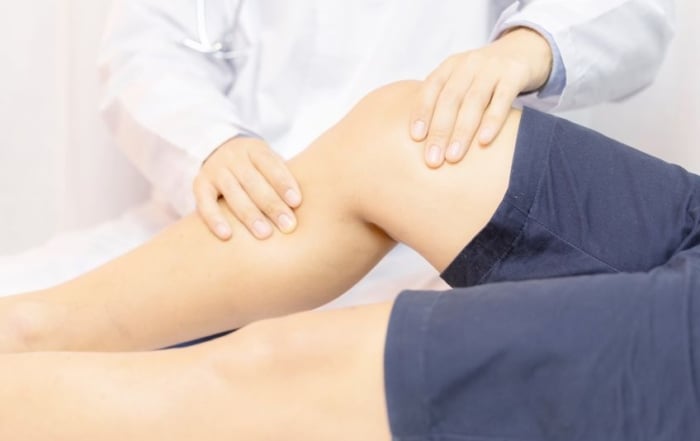
Knee Replacement: Can Regenerative Medicine Help You Avoid Major Surgery?
RIO Orthopedic2026-09-15T17:28:42-05:00September 17th, 2026|
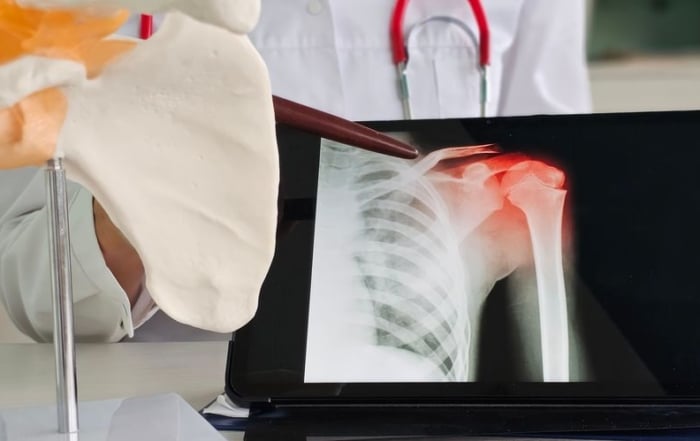
Collarbone Surgery: 3 Signs You Need Surgical Repair For A Clavicle Fracture
RIO Orthopedic2026-09-10T12:12:40-05:00September 10th, 2026|
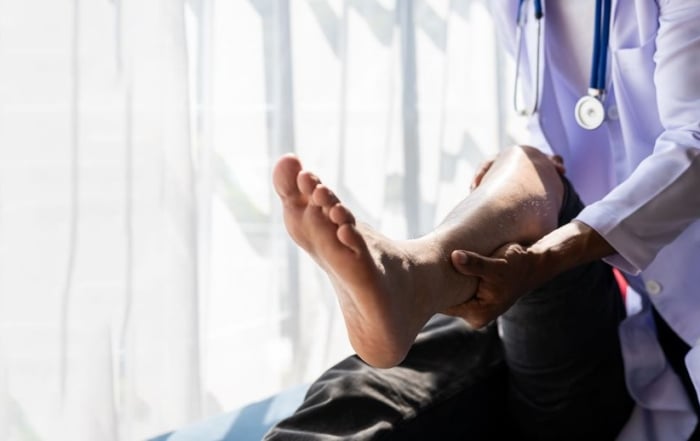
Achilles Tendon Repair Recovery: The Critical Role Of Physical Therapy
RIO Orthopedic2026-09-10T12:12:58-05:00September 3rd, 2026|