
Worried About Overhead Shoulder Pain?
Whether serving in a tennis match, spiking a volleyball, pitching, swimming, or weightlifting, some athletes rely on repetitive shoulder movements. The high velocity and excessive force required in overhead motions, especially in throwing sports, places significant stress on the shoulder joint. As a result, overhead shoulder pain is a common occurrence. Some athletes experience occasional soreness while others have severe pain. Leaving chronic shoulder pain unaddressed can lead to more severe injuries and long periods on the sidelines. Identifying symptoms, shoulder pain assessments, and possible surgery improve long-term physical health and performance.
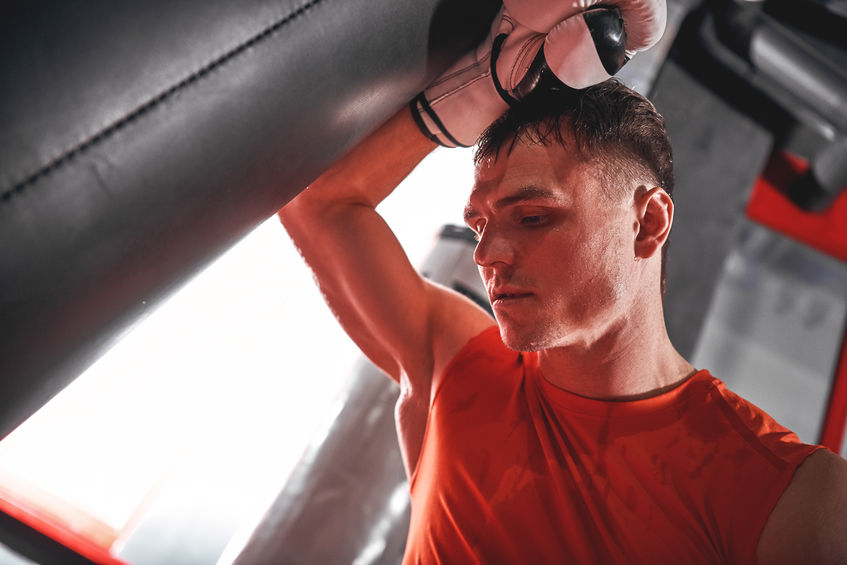
Common shoulder injuries
Overhead shoulder pain can be chronic, happening over weeks or months, or sudden, after a collision or fall while competing. Whether acute or degenerative, pain stems from an injury or condition of the shoulder. Rotator cuff tendonitis or tears are the most common cause of shoulder pain. This condition is caused by inflammation or damage to the tendons that wrap around the joint. Superior labrum anterior to posterior (SLAP) tears also cause shoulder pain. With SLAP tears, the rim of the cartilage around the shoulder socket is damaged. Other possible causes include shoulder impingement syndrome, bursitis, and joint dislocations.
When should you get assessed?
Most athletes who perform repeated arm movements attest that shoulder pain is an occupational hazard. Yet, there are some symptoms that signal a more severe issue that needs imaging from a medical professional. If the pain is intense or debilitating over time, along with difficulty raising the arm, consider medical help. Look for significant swelling, bruising, tenderness, shoulder deformity, and pain while sleeping. A significant decrease in power and performance followed by pain with every movement is another sign of concern. Severe cases have symptoms of weakness, arm numbness, clicking or popping, and general instability. These cases need x-ray or magnetic resonance imaging (MRI) scans to determine the root cause.
Initial treatment options
The doctor or orthopedic specialist will create a custom treatment plan based on the type and severity of the injury. Most cases will start with non-surgical treatment. Stabilizing the shoulder via bracing gives the patient time to rest and heal the joint. Pain medication and applying ice to the shoulder manage inflammation. Physical therapy (PT) plays a crucial role in non-surgical treatment. A physiotherapist will create a custom plan based on the type of injury. The goal is to restore strength, flexibility, and pain-free range of motion (ROM), allowing a return to sport as soon as possible. Recent non-surgical innovations, like regenerative medicine, are helping athletes to heal while delaying or avoiding surgery. Most cases require a combination of these techniques over several weeks.
Is it time to consider surgery?
Most athletes will see results with non-surgical treatment. There are cases where surgery can be effective. The most common and critical reason is a failure to see improvement with non-surgical treatment. If pain and weakness worsen or shoulder function declines, surgery may be required. Specific injuries, like a full-thickness rotator cuff tear or severe SLAP tear, may not resolve naturally. Acute trauma from a severe collision or fall, or chronic instability may need surgical correction. Surgery is also recommended if the athlete wants to correct an issue that may affect future performance. The athlete must weigh the risks of surgery and recovery as a long rehabilitation period may be necessary.
Recovery matters
Shoulder surgery involves removing damaged tissue, cartilage, or bone. Full-thickness tears require reattaching or relocating tendons to the bone for optimal function. Whether an athlete chooses a non-surgical or surgical route, the recovery process is the most important part of healing. Shoulder recovery can take 3-4 months, with consistent PT, for pain-free function. To return to sports, however, athletes need several more months to strengthen the shoulder and resume peak fitness. Depending on the injury, a full recovery can take up to 12 months. Consider surgery as a last resort, weighing the risks and rewards with the medical team.
Don’t tough it out
If shoulder pain is consistent and impacting performance or quality of life, take immediate action. Chronic overhead shoulder pain is not normal, especially when competing in sports. Do not hesitate to rest and apply ice, even before seeing a doctor. Modify activities until the arm feels comfortable. If pain is consistent or debilitating, seek imaging to find underlying damage. Acute injuries will need immediate treatment. From there, choose between surgical and non-surgical treatment.
Recent Blogs
Knee Replacement: Can Regenerative Medicine Help You Avoid Major Surgery?
RIO Orthopedic2026-09-15T17:28:42-05:00September 17th, 2026|
Collarbone Surgery: 3 Signs You Need Surgical Repair For A Clavicle Fracture
RIO Orthopedic2026-09-10T12:12:40-05:00September 10th, 2026|

Achilles Tendon Repair Recovery: The Critical Role Of Physical Therapy
RIO Orthopedic2026-09-10T12:12:58-05:00September 3rd, 2026|