
What are knee instability and dislocation?
Knees should stay in place when performing basic activities. However, if the knee is twisting, moving side to side, or feels out of place when moving, there could be instability. Knee instability is often a sign that the patella is not sitting on the groove at the front. Dislocations are more severe instability injuries in falls, accidents, or sports collisions. The blow to the knee moves the patella, tibia, or femur out of place. Like knee instability, there is a possible stretched or damaged ligament. Both issues can be painful and limit movement, with some needing immediate medical attention.

Can physical therapy help?
Physical therapy (PT) is a great way to treat knee instability and dislocation. The goal of PT is to improve mobility and range of motion. PT also helps strengthen the surrounding muscles, further supporting the knee. A surgeon will recommend a physical therapist, which can take several months, covering several sessions. PT has repeatedly been shown to be effective and successful for knee injuries.
Your PT assessment
The physical therapist will review the doctor’s information and perform a physical examination. This assessment helps determine the degree of injury, stage of recovery, and specific exercises the patient will need. For instance, an ACL tear will need further treatment. The evaluation will also look at posture, footwear, previous injuries, current strength, and mobility. From there, the PT can craft a plan specific to the patient’s needs.
Gradually increasing ROM
The first 2 weeks of therapy involve improving the range of motion (ROM). Therapy happens several days a week and will include a bike or elliptical machine to warm up. A series of stretches improves ROM and fires up the hamstrings, glutes, and calves. Exercises like squats, step-ups, and lunges will build strength. Over each session, the activities will increase in intensity. These exercises also reduce fluid buildup in the knee, a side effect of inflammation.
Stepping things up
With the first stage over, the intensity will increase over the next 4 weeks. The warm-up and stretching will continue for longer periods. Muscle-building exercises will also continue, with the PT looking for pain tolerance. At this point, the therapist may incorporate other activities like water aerobics and resistance bands. After 4-8 weeks, there should be improved strength, endurance, and ROM.
Resuming everyday activities
After the 8-week mark, most patients can resume some recreational activities. The therapy sessions will decline, but the exercises may increase. The therapist may apply exercises to target specific muscles based on the patient’s progress. This period can take a further 4-8 weeks. The patient should feel minimal pain after exercise and should have full ROM. There should be at least 90% function compared to the opposite knee. After 3-4 months, the therapy can end. However, for athletes, several more weeks will be necessary for conditioning. The process can change according to the patient’s process so follow the advice of the therapist and doctor.
Recent Blogs
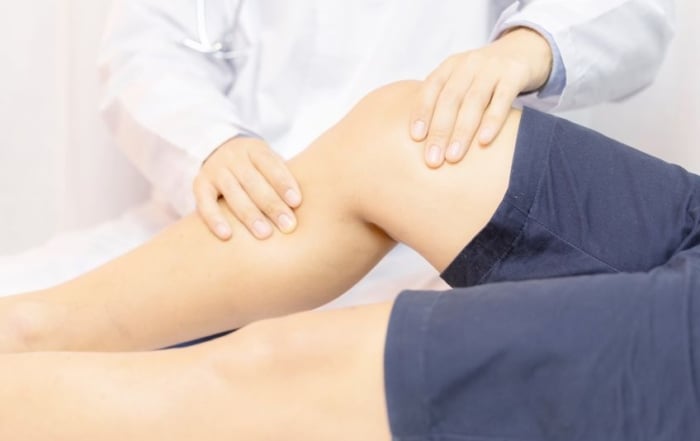
Knee Replacement: Can Regenerative Medicine Help You Avoid Major Surgery?
RIO Orthopedic2026-09-15T17:28:42-05:00September 17th, 2026|
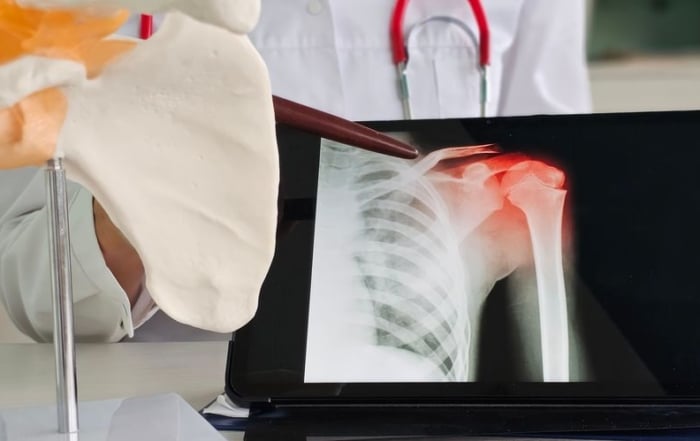
Collarbone Surgery: 3 Signs You Need Surgical Repair For A Clavicle Fracture
RIO Orthopedic2026-09-10T12:12:40-05:00September 10th, 2026|

Achilles Tendon Repair Recovery: The Critical Role Of Physical Therapy
RIO Orthopedic2026-09-10T12:12:58-05:00September 3rd, 2026|