
Is Your Kneecap Out Of Place?
The kneecap sits in a smooth, vertical groove at the front of the joint. Known as the patella, kneecaps help with flexibility, support, and leverage for muscles like the quadriceps. Sometimes, a patellar dislocation can occur due to a fall, sports collision, or unnatural twist. As a result, the kneecap slips out of the groove, making movement difficult.

Recovery with exercise
A patellar injury can be partial, called a subluxation or a full dislocation. The kneecap can slip away from the leg laterally or toward the inside or medially. In all instances, specific exercises are an effective way to strengthen the surrounding muscles. The RICE technique and bracing the knee are essential parts of recovery. However, these 5 exercises are highly effective once the pain begins to subside.
1. Try wall slides
Stand facing away from a wall with the back and buttocks pressed against the surface. Keep the legs straight with the heels a few inches away from the wall. Start the exercise by slowly sliding the hips downward, keeping the body against the wall. Go down slowly until the knee reaches a 45-degree angle. Hold the position for as directed, then return to the starting position.
2. The straight leg lifts
Leg lifts are one of the most effective ways to strengthen the tendons and support the movement. First, lay flat on the bed or yoga mat. Next, bend the knee of the unaffected leg while keeping the injured leg straight. Next, slowly raise the injured leg to the ceiling with the toes pointing straight.
3. Switching straight leg positions
Patients can do straight leg lifts in different positions. Instead of laying down, turn to the side and stack the legs on top of each other. Slowly lift the injured leg to the ceiling. Hold the position as directed, then return to the starting position.
4. Terminal knee extensions
Terminal knee extensions target the vastus medialis oblique (VMO) muscle. Wrap one end of the band around the back of the knee. Attach the other end to a sturdy surface. Pull back the knee, using the band’s tension to strengthen the joint. Squeeze the buttocks while extending the knee to help improve rotation. Repeat the extensions as directed; as the range increases, the knee becomes stronger.
5. Lateral step-ups
Find a short stool or get an exercise step platform. Stand next to the platform, ensuring the injured leg is closest to the step. Leading with that leg, step up on the platform, then return to the starting position. Repeat this as directed. Over time, increase the height and intensity of the exercise.
A stronger joint
Most cases of patellar dislocations do not need surgery. However, the injury can still cause pain, instability, and weakness. These exercises can help restore strength and movement. Ensure a trained physiotherapist can provide guidance for a safe, effective recovery.
Recent Blogs
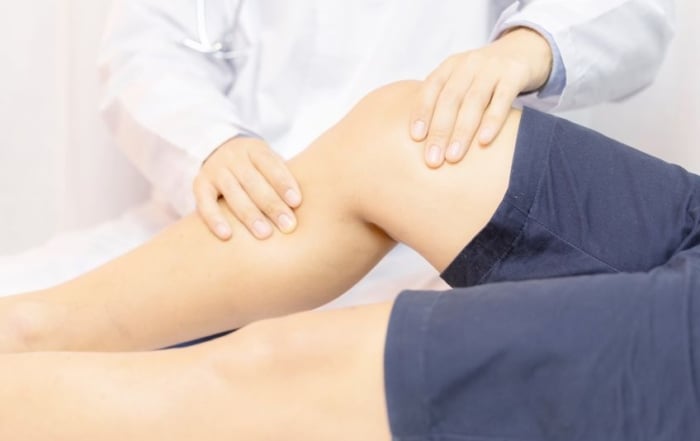
Knee Replacement: Can Regenerative Medicine Help You Avoid Major Surgery?
RIO Orthopedic2026-09-15T17:28:42-05:00September 17th, 2026|
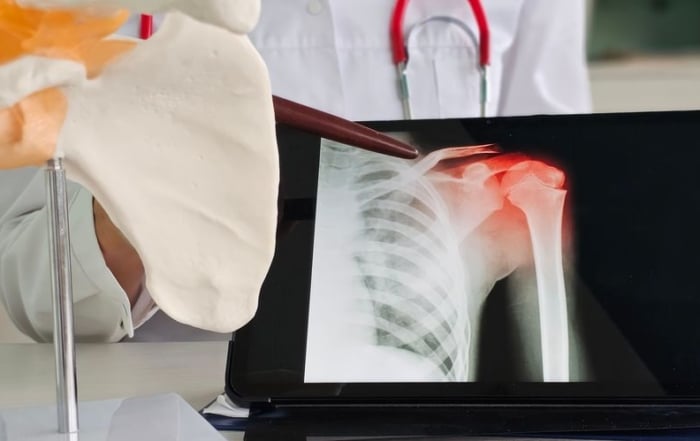
Collarbone Surgery: 3 Signs You Need Surgical Repair For A Clavicle Fracture
RIO Orthopedic2026-09-10T12:12:40-05:00September 10th, 2026|

Achilles Tendon Repair Recovery: The Critical Role Of Physical Therapy
RIO Orthopedic2026-09-10T12:12:58-05:00September 3rd, 2026|