
Sports Injuries And Treatments For Them
While no athlete wants to get injured, for football players, a knee injury is a real risk. Naturally, an athlete wants to get back to the field, making touchdowns and scoring field goals. But a common question athletes of all competing classes have is whether a knee injury should be managed by wrapping or taping.

When compression matters
For fresh knee injuries, swelling can be an inevitable byproduct. Wrapping the injured knee with an elastic bandage can help to reduce swelling. Make sure the bandage is snug but not so tight as to cut off circulation or increase pain and discomfort. While compression sleeves are also an option, sleeves are usually reserved for long-term pain management and to maintain circulation to an older injury. Wraps are also ideal for athletes recovering from knee surgery to aid in the healing process.
When to tape
When an athlete or sports medicine physician reaches for tape, the patient should be well on the way to recovery. Taping the knee is usually done to relieve knee pain or improve stability so an athlete can perform without concerns that the knee will give out during activities. However, taping the knee isn’t done without supporting behaviors. Specifically, when a physical therapist or sports medicine doctor tapes a patient’s knee, the patient is usually encouraged to perform therapeutic exercises or take a pain reliever. However, keep in mind that multiple taping techniques are available depending on the athlete’s type of knee injury.
Taping vs wrapping: which is better?
Both taping and wrapping the knee can be incredibly beneficial, depending on where in the recovery process an athlete sits. Fresh injuries are better served by being wrapped as the elastic wrap can work to gently compress the injury site and prevent excessive swelling from occurring. In contrast, an athlete who has spent sufficient time recovering will benefit from taping a knee injury as the tape helps to stabilize the knee and ensures that essential muscles and ligaments are properly aligned to prevent further injury. However, the decision to transition from wrapping to taping shouldn’t be made alone. An athlete should speak with a physical therapist or sports medicine doctor to evaluate when a knee injury is ready to shift from wrapping to taping.
Getting back in the game
No athlete wants to be on the injured list. However, to play at optimal levels, athletes need to be willing to rest when injuries occur and to follow the advice of a trusted physician. The process includes safely wrapping a knee when an injury initially occurs, as well as engaging in physical therapy when deemed safe by an expert. As athletes regain strength and control in the knee, the tape can help to give an individual more control while performing on the field. Ultimately, both methodologies are ideal for injury recovery but must be used in the right manner at the right time to be effective.
Recent Blogs

Knee Replacement: Can Regenerative Medicine Help You Avoid Major Surgery?
RIO Orthopedic2026-09-15T17:28:42-05:00September 17th, 2026|
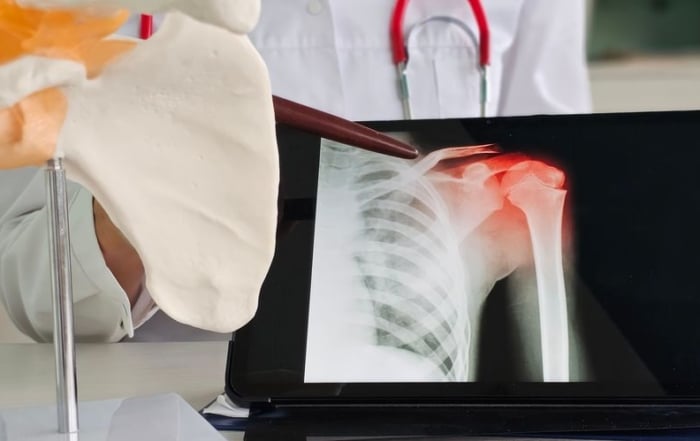
Collarbone Surgery: 3 Signs You Need Surgical Repair For A Clavicle Fracture
RIO Orthopedic2026-09-10T12:12:40-05:00September 10th, 2026|

Achilles Tendon Repair Recovery: The Critical Role Of Physical Therapy
RIO Orthopedic2026-09-10T12:12:58-05:00September 3rd, 2026|