
Beware Of A Meniscus Tear
The meniscus is a C-shaped rubbery cartilage that acts as a shock absorber in the knee. Sports injuries or general wear and tear can damage the meniscus, causing pain, stiffness, and swelling. In some cases, pieces of the cartilage can catch in the knee, causing severe pain. Meniscus damage often means surgical intervention. The resulting recovery can take several weeks to months, depending on the severity of the injury. To speed things up, doctors have been trying different forms of biological therapy.
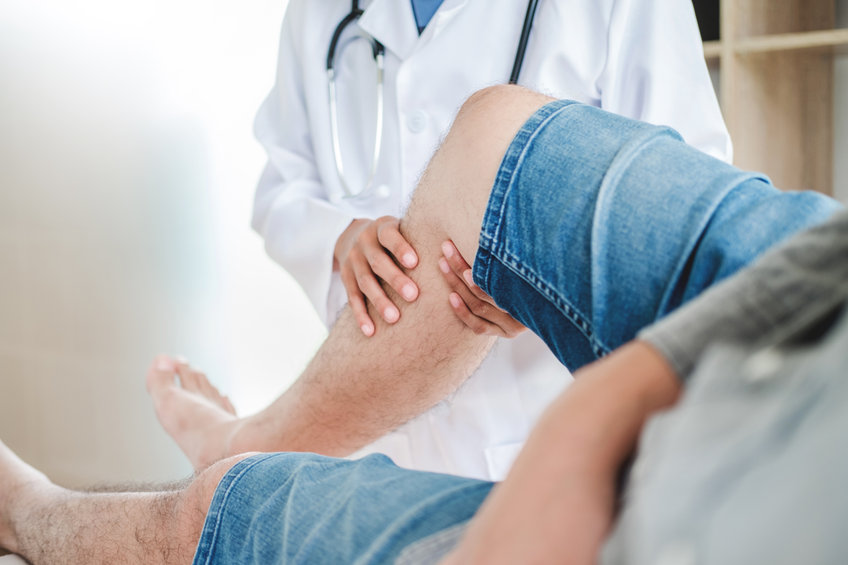
Mending the meniscus
Meniscal repair seeks to repair or clean up the damaged cartilage, reducing pain and stiffness. The operation is minimally invasive and usually treated as an outpatient procedure. Because there are different types of tears, surgeons approach each procedure differently for long-term joint function. After surgery, the rehab process starts, which varies from patient to patient.
A word on biological therapy
The body is excellent at self-repair. After an injury, the body can regrow skin, muscle, nerves, and tissue. However, the process is inefficient in some parts, like the meniscus. Reduced blood supply also means the proper nutrients and cells cannot help after an injury. Biologic therapy takes the body’s own cells, materials, or products found in nature to promote healing. The result is often new tissue growth, faster recovery, and less inflammation. During rehab, a clinic may try one or more of these 5 types of biologics.
1. Platelet rich plasma (PRP)
PRP depends on platelets to reduce pain, inflammation and speed up healing. Using a blood sample from the patient, the clinic separates the platelet-rich plasma from the red blood cells. PRP is then injected into the knee. PRP therapy can heal tears in the white zone of the meniscus, which has no direct blood supply.
2. Bone marrow aspirate concentrate (BMAC)
Bone marrow contains undesignated pluripotent cells. These types of cells can turn into tendons, skin, or in this case, cartilage. One of the significant benefits is the healing of tissue. BMAC treatment can also offer regenerative properties. For BMAC, a sample is extracted from a location like the hip bone. A concentration of stem cells is then injected into the knee over several sessions.
3. Mesenchymal stem cell (MSC) therapy
BMAC and MSC fall under the same category. Mesenchymal stem cells (MSCs) are adult stem cells that can turn into new tissue. MSCs can help reduce pain, inflammation, and new cell growth. The cells can be extracted from the hip bone, fat, and other types of tissue. Injecting these cells periodically in the knee can speed up healing and generate new meniscus cartilage.
4. Amniotic fluid therapy
Amniotic fluid is the liquid that surrounds the fetus during pregnancy. This fluid contains unique stem cells, proteins, and compounds that help the baby’s growth and development. Now mothers can donate the fluid for a range of therapeutic uses. The amniotic fluid is prepared and injected into the meniscus area. Over time, the stem cells and proteins help with new tissue growth and healing.
5. Hyaluronic acid, anyone?
Hyaluronic acid is found all over our bodies and keeps our joints and skin hydrated. The compound is popular in skincare but can help patients with ligament damage recovery. When injected directly into the joint post-operation, the substance provides lubrication lost during surgery. Hyaluronic acid also helps with elasticity while decreases anti-inflammatory effects. The compound can be extracted from natural sources and injected as needed into the knee.
Follow the doctor’s orders
Biotherapies are becoming increasingly popular to stimulate the body’s natural healing abilities. Generally, recovery time for meniscal repair is 6-8 weeks, or longer, depending on the patient. With biologics, patients report faster recovery times. Look into biological options with a doctor to start running again in no time.
Recent Blogs
Knee Replacement: Can Regenerative Medicine Help You Avoid Major Surgery?
RIO Orthopedic2026-09-15T17:28:42-05:00September 17th, 2026|
Collarbone Surgery: 3 Signs You Need Surgical Repair For A Clavicle Fracture
RIO Orthopedic2026-09-10T12:12:40-05:00September 10th, 2026|
Achilles Tendon Repair Recovery: The Critical Role Of Physical Therapy
RIO Orthopedic2026-09-10T12:12:58-05:00September 3rd, 2026|