
Finger On The Trigger
A tendon is at work when the fingers open or close, making this flexibility possible. Tendons are tough bands of tissue that connect bone to muscle. Sometimes, the sheaths of tissue tendons move through become inflamed. This is the primary reason for trigger finger, known as stenosing tenosynovitis. People typically feel tightness, popping, or pain when bending the fingers with trigger fingers. However, the finger can stay locked in a bent position over time, similar to a finger on a trigger.
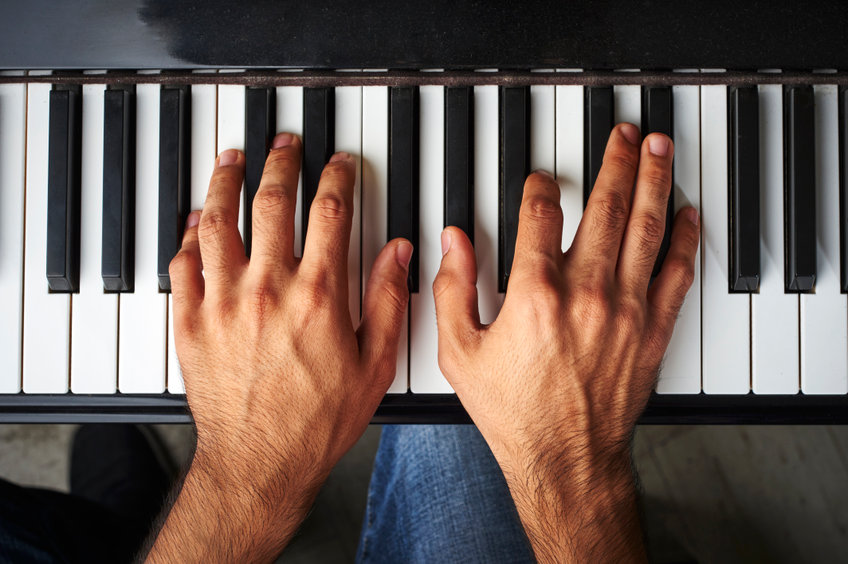
Who gets trigger finger?
Statistics show that 2% of the population is at risk. The condition is more common with age, particularly with adults age 50 and over. Conditions like rheumatoid arthritis, gout, and diabetes are also risk factors. Common symptoms include pain, swelling, and a bent finger that needs help to extend. Stiffness in the morning and a bump are other common symptoms. Here are 3 more interesting facts about this common condition.
1. A dominant hand
Most cases of trigger fingers happen in the patient’s dominant hand. This is no coincidence. Trigger finger can be an overuse injury. Patients working for several years in jobs like painting, sewing, construction, and heavy machinery are at risk. Trigger finger can also impact multiple fingers on the dominant hand, with the thumb and middle finger most affected.
2. Non-surgical options help
The condition can be painful and impact the use of the hand. However, many cases can improve with non-surgical, conservative treatment. A combination of rest and physical therapy can help. Other treatment options include splinting and corticosteroid injections. These treatments can reduce inflammation in the sheath, making movement easier.
3. Surgery works if all else fails.
If treatment fails or patients have severely bent fingers, surgery can help. A doctor can perform open surgery through a small incision in the palm of the hand. The surgeon can then cut away the sheath to provide more space for the tendon. A non-invasive procedure called percutaneous release is also popular and is performed in a doctor’s office. The doctor uses a needle to clear away the tendon sheath. Trigger finger surgery has a high success rate of over 905.
Stretching and resting benefits
Both before and after surgery, stretching and resting can significantly improve the chances of recovery. Resting can reduce the swelling and inflammation that comes with repetitive use. After resting, some gentle stretching can help with mobility. After surgery, these actions are essential to improve tissue healing, flexibility, and even grip strength.
Fix your trigger
The bending, snapping, popping, and pain from trigger finger can affect the use of the hand. Patients generally recover with gentile stretching, rest, and other non-surgical techniques. However, chronic conditions will benefit from surgery. After surgery, stretching and rest can help with a smooth recovery.
Recent Blogs
Knee Replacement: Can Regenerative Medicine Help You Avoid Major Surgery?
RIO Orthopedic2026-09-15T17:28:42-05:00September 17th, 2026|
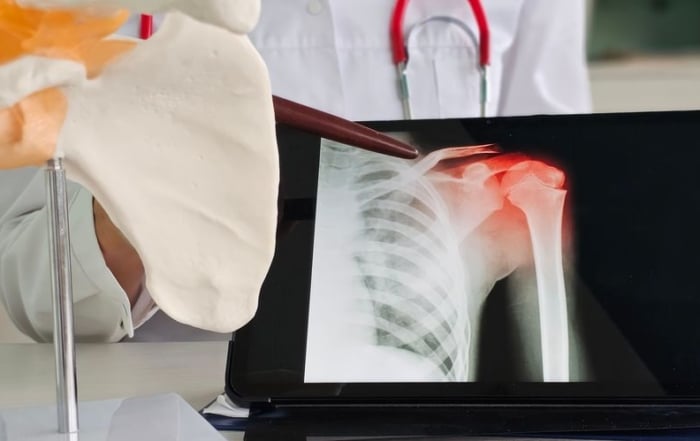
Collarbone Surgery: 3 Signs You Need Surgical Repair For A Clavicle Fracture
RIO Orthopedic2026-09-10T12:12:40-05:00September 10th, 2026|

Achilles Tendon Repair Recovery: The Critical Role Of Physical Therapy
RIO Orthopedic2026-09-10T12:12:58-05:00September 3rd, 2026|