
How Do I Know If My Pain Is Chronic?
Everyone experiences occasional muscle soreness, discomfort, or pain. But what if the pain doesn’t go away? Chronic pain is defined as pain that lasts for 12 weeks or longer. The pain may look different in different patients, and there are many varying causes of chronic pain. Whatever the underlying reason, there are many situations where physical therapy can help.

1. Arthritis pain management
Among the most common causes of chronic pain is arthritis. Arthritis is a chronic condition that can break down cartilage, leading to pain, stiffness, and inflammation. Although patients with arthritis may have adverse feelings toward exercise, research has shown that regular movement helps to improve chronic pain symptoms. Physical therapy helps patients to build strength and fitness so that moving more without pain is possible.
2. Lingering injuries
Suffering an injury at a young age can lead to lingering pain later in life. For example, a fracture involving the back, hip, or knee may have required surgery. Even after a full recovery, patients may need to work hard to maintain strength and prevent re-injury. Often, when the pain creeps back in, people begin moving in ways that compensate for the pain but do not actually improve the condition. A physical therapist can help patients maintain strength and exercise properly to prevent injury of weak areas.
3. Managing diabetes
Many people think of diabetes as a condition managed by a primary healthcare provider. And while this is true, physical therapists can help people with diabetes learn to move safely and effectively. This can help people with diabetes reduce pain and, potentially, lose weight and lower blood sugar. The treatments offered in physical therapy can also help people with diabetes-related skin problems heal more quickly.
Benefits of physical therapy
People with chronic pain can experience significant benefits from physical therapy. Therapy can help people reduce pain without needing medication. The exercises can also improve mobility and strength and prevent injuries. In older patients, the treatment is also beneficial for fall prevention and improved balance.
When to see a pain management specialist
Chronic pain can be a significant interference in a person’s daily life. But merely putting up with the pain is not required. There are treatment options. If pain has persisted for over 12 weeks without relief, consider scheduling an appointment with a pain management specialist. These healthcare providers can provide guidance and treatments to offer lasting pain relief.
Recent Blogs

Knee Replacement: Can Regenerative Medicine Help You Avoid Major Surgery?
RIO Orthopedic2026-09-15T17:28:42-05:00September 17th, 2026|
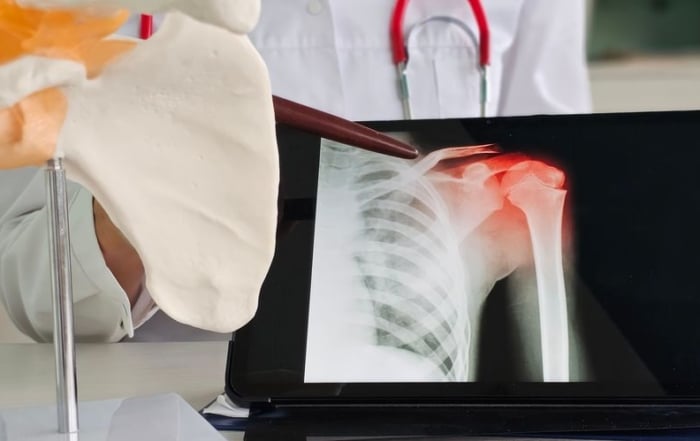
Collarbone Surgery: 3 Signs You Need Surgical Repair For A Clavicle Fracture
RIO Orthopedic2026-09-10T12:12:40-05:00September 10th, 2026|

Achilles Tendon Repair Recovery: The Critical Role Of Physical Therapy
RIO Orthopedic2026-09-10T12:12:58-05:00September 3rd, 2026|