
How Bad Is The Damage?
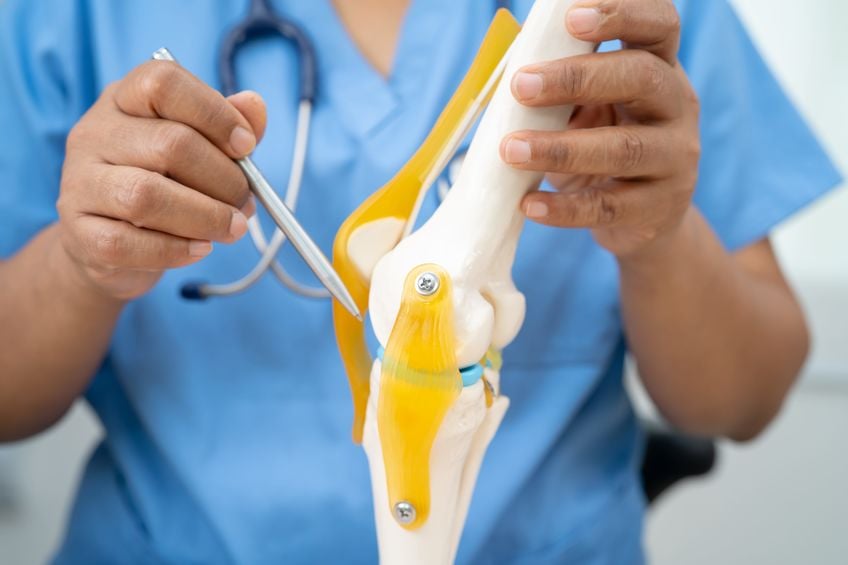
Knee pain can start as something manageable and slowly become harder to ignore. Stiffness, swelling, and discomfort may build over time, especially with movement or after long periods of sitting. When knee pain begins to interfere with daily life or no longer responds to basic care, a deeper look at joint damage may be needed. In some cases, surgical options such as partial or total knee replacement are considered.
1. Where does it hurt most?
The location of pain can reveal how much of the joint is affected. Pain that remains on a single side of the knee, either inner or outer, may mean damage is in a single compartment. Damage to a single area is often associated with partial knee replacement. Pain that spreads across the entire knee, especially when present at rest or during the night, may suggest more advanced joint wear. Widespread pain is often associated with the need for a total knee replacement.
2. Is the pain limiting movement?
Daily function often becomes the clearest indicator. Activities such as walking, climbing stairs, or standing from a seated position may start to feel difficult or unstable. Reduced range of motion, ongoing swelling, or a knee that gives out can point to deeper joint issues. When everyday movement feels limited or unpredictable, joint damage may have progressed beyond conservative treatment.
3. What do X-rays show?
Imaging helps confirm what symptoms suggest. Standing X-rays can show how much joint space remains, which reflects cartilage loss. When damage is limited to a single area, a partial replacement may be considered. When multiple areas show wear or the joint space is significantly reduced throughout, a total knee replacement may be more appropriate. Imaging provides a clearer picture of how far joint degeneration has progressed.
What makes each different
A partial knee replacement targets only the damaged portion of the joint, allowing healthy structures to remain in place. The approach can feel more natural and may involve a shorter recovery. A total knee replacement replaces the entire joint surface and is typically recommended when damage is more widespread or stability is compromised. The choice depends on how much of the joint is affected rather than preference alone.
When surgery becomes likely
After conservative treatment options stop providing relief, surgery may be considered. Physical therapy, medications, or injections may help early on, but lasting pain, limited mobility, and joint instability can require a more permanent solution. Persistent symptoms that affect sleep or limit independence often mark a turning point in treatment decisions.
Finding the right option
Deciding between partial and total knee replacement depends on a full evaluation of symptoms, function, and imaging results. A specialist can assess how pain presents, how the knee moves, and how much damage is visible. The decision is about more than pain relief, with attention placed on restoring movement and making daily life feel easier again.
Recent Blogs
Collarbone Surgery: 3 Signs You Need Surgical Repair For A Clavicle Fracture
RIO Orthopedic2026-09-10T12:12:40-05:00September 10th, 2026|

Achilles Tendon Repair Recovery: The Critical Role Of Physical Therapy
RIO Orthopedic2026-09-10T12:12:58-05:00September 3rd, 2026|

Meniscus Tear: Can This Common Knee Injury Heal Without Undergoing Surgery?
RIO Orthopedic2026-08-03T22:39:50-05:00August 28th, 2026|