
Faster ACL Tear Recovery
ACL tears are some of the most common sports injuries an athlete can experience. While some people might need surgery if the damage is extensive enough, other individuals may be able to recover by simply practicing at-home interventions or even in-office minimally invasive treatments. Sometimes, methods might be combined to help speed healing and get patients back to regular life faster. For example, platelet-rich plasma (PRP) injections are a very common option and can be used alone, as a post-surgical reparative treatment, and even combined with physical therapy.
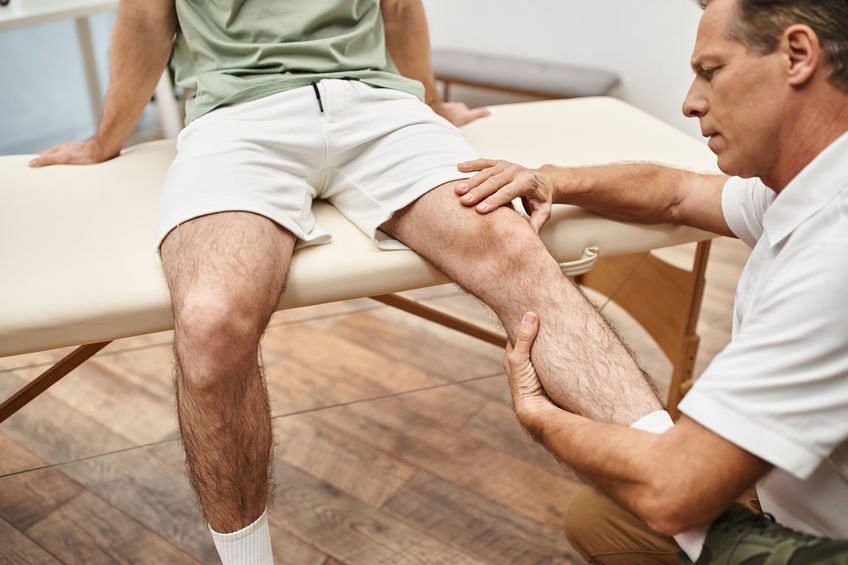
What is PRP?
PRP is created by taking a blood sample from a patient and then through a centrifuge to separate the red blood cells from the plasma and platelets. Once separated, the PRP is injected into the injury site to speed healing. Specifically, PRP increases hormones or biofactors at the injury. Although the process can be used as a stand-alone treatment, many physicians recommend pairing PRP with surgery or also physical therapy. For people undergoing physical therapy after injections, the following benefits may be observed.
1. Reduced swelling and irritation
Physical therapy (PT) isn’t just intended to help people regain full range of motion or functionality. A real benefit of staying active after PRP is reducing inflammation and discomfort. Specifically, the gentle exercises performed during PT are designed to help reduce swelling while also retraining muscle and ligament groups. Similarly, many PT facilities offer cryotherapy, which uses cold therapy to help soothe pain.
2. Improve stability
One of the biggest benefits of PT is that participants learn how to move muscle groups better to prevent future injuries. Restorative exercises are designed to help rebuild strength while also teaching patients proper form to avoid getting hurt again. The increased stability and strength also aid in rebuilding injured muscles and ultimately improve quality of life by helping people get back to moving.
3. Prevents further damage
Strength training is actually a critical part of injury prevention. When people undergo PT that leverages safe muscle isolation and teaches proper form, future damage can be prevented. For many individuals who experience ligament or muscle injuries, the experience can lead to a domino effect, with future problems popping up in other parts of the body. For example, a person with an ACL tear may notice discomfort spreading to the hips or back, leading to additional issues. With PT, this scenario can be avoided.
Pairing PRP with PT
PRP is a proven, minimally invasive method of treatment that’s shown to help people recover from injuries. While the process can be used independently or as a preventative measure before considering surgery, the methodology is also beneficial as a postoperative treatment to speed recovery. More importantly, when paired with a PT program, people can reap the benefits and help to reduce the risk of injury progression.
Recent Blogs
Collarbone Surgery: 3 Signs You Need Surgical Repair For A Clavicle Fracture
RIO Orthopedic2026-09-10T12:12:40-05:00September 10th, 2026|
Achilles Tendon Repair Recovery: The Critical Role Of Physical Therapy
RIO Orthopedic2026-09-10T12:12:58-05:00September 3rd, 2026|

Meniscus Tear: Can This Common Knee Injury Heal Without Undergoing Surgery?
RIO Orthopedic2026-08-03T22:39:50-05:00August 28th, 2026|