
Your Rotator Cuff And PRP
Rotator cuff injuries and chronic shoulder pain impact thousands of adults. Whether caused by sports injury, overuse, or aging, rotator cuff conditions can be challenging to manage. Surgery is sometimes necessary for full-thickness tears or severe dysfunction. Alternatively, many partial tears and degenerative tendon conditions can be managed with non-surgical techniques. Regenerative medicine is becoming a go-to option for managing and healing rotator cuff injuries. This simple, yet fantastic technique uses the body’s natural healing factors to accelerate and optimize healing. Platelet-rich plasma (PRP) injections are the most accessible form of regenerative medicine. With PRP injections, patients can have better shoulder function and even avoid surgical intervention.
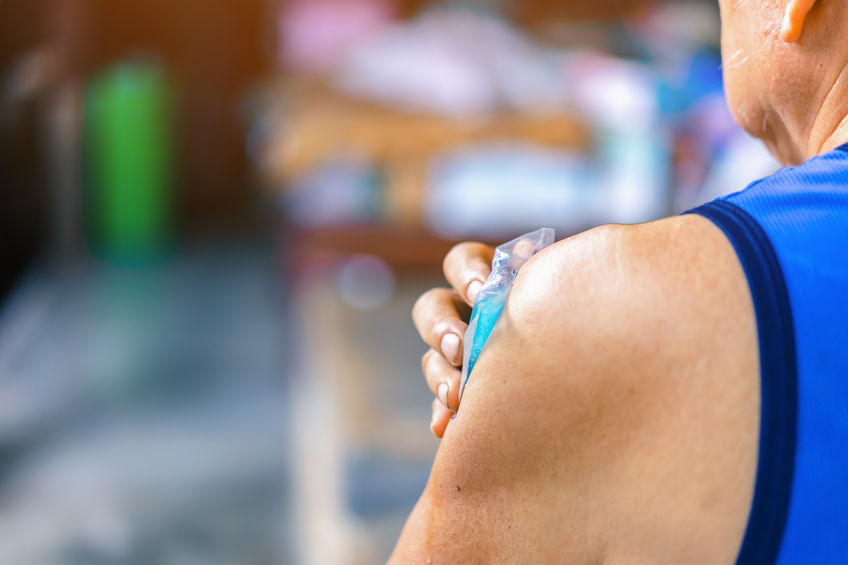
A closer look at your rotator cuff
The rotator cuff is a group of 4 muscles and tendons that wrap around the shoulder joint, stabilize the shoulder, and allow overhead motion. Rotator cuff injuries occur when the tendon, muscle, cartilage, or other component becomes inflamed or torn. These injuries can happen suddenly, in cases of a fall or sporting incident, or gradually due to overuse. Age-related degeneration is also common in the shoulder, leading to arthritis and other structural problems. Many patients experience tendinopathy or partial-thickness tears rather than complete ruptures. Symptoms like pain, stiffness, weakness, and limited range of motion (ROM) often respond well to non-surgical treatments. At the same time, there are many cases where advanced techniques are needed, as the tendons and other structures have limited blood supply.
What is PRP therapy?
PRP therapy leverages the power of platelets within the blood to help the healing process. When someone experiences an injury, the body begins repairing through platelets and other stem cell factors. The concept of PRP and regenerative medicine is to provide more of these repair resources at the source of injury or pain. With PRP, blood is drawn from the patient and spun in a centrifuge to separate platelets and plasma from red blood cells. The extracted platelets are combined with plasma and injected into the painful area. Additional platelets can reduce inflammation and help the healing process. PRP therapy is not a one-time procedure, but an ongoing process with multiple injections over several weeks or months.
How PRP helps your cuff
Studies on PRP for rotator cuff injuries show increasingly promising results. Many cases show improved pain scores, reduced swelling, and faster recovery. PRP can even help to improve shoulder function compared to corticosteroid injections, especially after the 6-month mark. While steroids often provide faster short-term relief, PRP tends to produce longer-lasting improvements. Some doctors even notice more complete healing without weakening the damaged tendon. PRP works best when paired with structured physical therapy (PT), massage, and pain management strategies.
Are you a candidate?
PRP is suited for younger, active patients with minor discomfort, chronic tendinosis, or a partial tear. Doctors will recommend PRP injections if PT alone is not producing results. Expect at least 1-3 PRP injections spaced several weeks apart, as this gives time for the process to work. Results can take several weeks, so consistency is key. PRP is not recommended for complete tears, severe instability, or advanced arthritis. These conditions require surgery or other complex procedures, but PRP can be used as part of the rehabilitation process.
Add PRP to the mix
Rotator cuff injuries can be challenging to manage and heal. The pain and decreased ROM can limit the use of the shoulder. PRP injections are an excellent strategy to reduce the healing timeline, leveraging the body’s natural healing ability. This should not be seen as a standalone treatment, but rather part of a comprehensive approach to healing. Work with a pain management specialist, sports medicine physician, or orthopedic specialist, who can determine suitability with an extensive evaluation.
Recent Blogs
Knee Replacement: Can Regenerative Medicine Help You Avoid Major Surgery?
RIO Orthopedic2026-09-15T17:28:42-05:00September 17th, 2026|
Collarbone Surgery: 3 Signs You Need Surgical Repair For A Clavicle Fracture
RIO Orthopedic2026-09-10T12:12:40-05:00September 10th, 2026|
Achilles Tendon Repair Recovery: The Critical Role Of Physical Therapy
RIO Orthopedic2026-09-10T12:12:58-05:00September 3rd, 2026|