
Take Note Of Elbow Pain
Athletes are prone to injuries, especially those who perform repetitive arm movements. Tennis players, baseball pitchers, and quarterbacks who swing, pitch, and throw can suffer arm injuries. Some of these injuries can be mild, stopping with rest. Other cases can be more severe, needing a sports medicine evaluation. Elbow injuries are the most common with some athletes suffering tennis elbow or more severe injury. Understanding the symptoms can aid in proper diagnosis, prompt treatment, and a faster recovery.
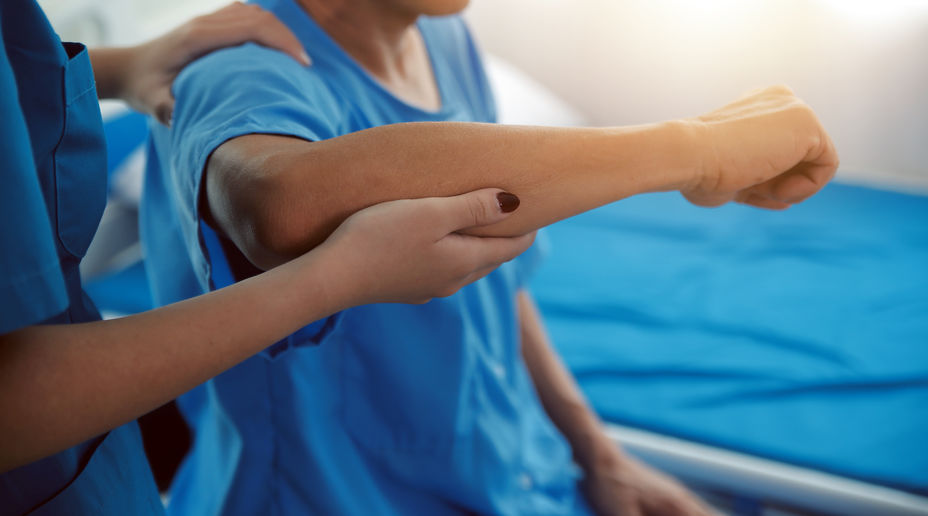
Do you have tennis elbow?
Tennis elbow occurs when the tendon of the forearm muscle connected to the outer elbow is damaged or inflamed. Also called elbow tendonitis or lateral epicondylitis, the condition is caused by repetitive movements or repeated force that damages the tendons. Common symptoms include pain in the outer elbow, tenderness, stiffness, and limited range of motion (ROM) when bending. Athletes will notice reduced power when throwing or a pain that radiates to the forearm. Tennis elbow can be mild or severe. Most cases are treatable without surgery. Severe tennis elbow may need surgical intervention.
More than tennis elbow
Some injuries resemble tennis elbow but can be different, more concerning issues. Ulnar nerve entrapment can cause numbness and nerve pain radiating along the arm. Golfer’s elbow or medial epicondylitis impacts the inner elbow and arm. Other conditions like stress fractures are possible. Some of these happen gradually. More acute, immediate injuries can occur such as ulnar collateral ligament (UCL) rupture. UCL tears are indicated by a popping sensation, severe pain, and swelling.
When to see a doctor
Any sign of discomfort, sharp pain, swelling, or tenderness that does not stop after a few days should prompt a doctor’s visit. If someone has been previously diagnosed with tennis elbow or another injury and ongoing treatment fails, seek medical evaluation. A sudden popping sensation or tear, followed by swelling and weakness during sporting activities, are signs of injury. A doctor can confirm the type and severity of the elbow injury with physical examinations and imaging. This diagnosis will determine treatment based on the extent of injury and the individual’s goals.
It’s time for treatment
Treatment can be classified as surgical or non-surgical. Most tennis elbow cases can be treated without surgery. The doctor will recommend a counterforce elbow brace, sling, or compression sleeve to reduce stress, support the elbow, and promote healing. Long periods of rest and activity modification are advised. Bracing is also effective for golfer’s elbow, bursitis, and nerve entrapment. Doctors combine bracing with physical therapy (PT), corticosteroid injections, and other pain management techniques. Surgical treatment depends on the type and severity of the injury. Some patients may need the removal of damaged tissue and bone. Severe injuries like a UCL tear often need reconstructive surgery. Most athletes undergo minimally invasive surgery (MIS), which minimizes postoperative pain and accelerates recovery.
Get back elbow function
Athletes should take all cases of chronic elbow pain seriously. Chronic pain, tenderness, and limited motion can be signs of tennis elbow, a common injury. Additional symptoms or a sudden injury while playing sports could be something more. A sports medical evaluation can help find the root cause and guide treatment. Seek this review if the pain does not improve with rest or if there is clear weakness in the arm. With rest, bracing, and PT, tennis elbow can resolve within a few weeks. Other conditions, especially those that need surgery, need several months of recovery. Use the medical team’s expertise to determine the appropriate course of action for elbow pain.
Recent Blogs
Knee Replacement: Can Regenerative Medicine Help You Avoid Major Surgery?
RIO Orthopedic2026-09-15T17:28:42-05:00September 17th, 2026|
Collarbone Surgery: 3 Signs You Need Surgical Repair For A Clavicle Fracture
RIO Orthopedic2026-09-10T12:12:40-05:00September 10th, 2026|
Achilles Tendon Repair Recovery: The Critical Role Of Physical Therapy
RIO Orthopedic2026-09-10T12:12:58-05:00September 3rd, 2026|