
Activity And Reduced Arthritic Pain
Arthritis is a degenerative condition that may often have multiple underlying causes that contributes to chronic pain. There are more than 100 different types of arthritis. The disease is one of the leading causes of disability in the United States. While many people think of arthritis as an older person’s disease, the condition can impact people of all ages, races, and genders. Roughly 60 million adults and 300,000 children struggle with some form of arthritis. Engaging in physical therapy (PT) is helpful for controlling arthritis-related symptoms.

1. PT can improve joint health
One obvious benefit of PT is that activity helps to maintain or improve mobility over time. But another important side effect is better joint health. When a person is engaged in exercise, even low-impact activities, that movement helps to circulate essential fluids around the joints. Better lubrication means less discomfort when a person moves.
2. PT teaches pain management
While medications can be effective for temporarily controlling arthritis pain, not every person is able or wants to rely on drugs. Whether the concern centers around prescription interactions or fear of becoming drug-dependent, PT also trains arthritis patients to leverage drug-free pain management. For example, hot and cold therapy can be an effective method for easing joint pain. Similarly, learning to perform simple stretches or modify exercises without sacrificing the benefits can be essential steps for easing discomfort.
3. PT can improve range of motion
A side effect of untreated arthritis isn’t just joint pain but increased difficulty with general movement. Pain at the joints can reduce a person’s ability to move fully. For example, persistent elbow aches or soreness may mean a person will attempt to move the joint less to reduce discomfort. But rather than controlling the problem, less movement leads to increased pain and a less functional joint. In contrast, by engaging in moderate exercise, arthritis patients can not just maintain current mobility or range of motion, but also make improvements.
Incorporating at-home PT
For individuals newly diagnosed with arthritis, engaging in a few monitored PT sessions with a licensed physical therapist is a smart first step towards controlling arthritis symptoms and progression. A physical therapist can guide patients through recommended exercises and provide tips and best practices for how to stay mobile while at home and how to manage arthritis pain if a flare-up occurs. Individuals concerned about arthritis and the effects of the disease should first speak with a physician to determine the next steps.
Recent Blogs
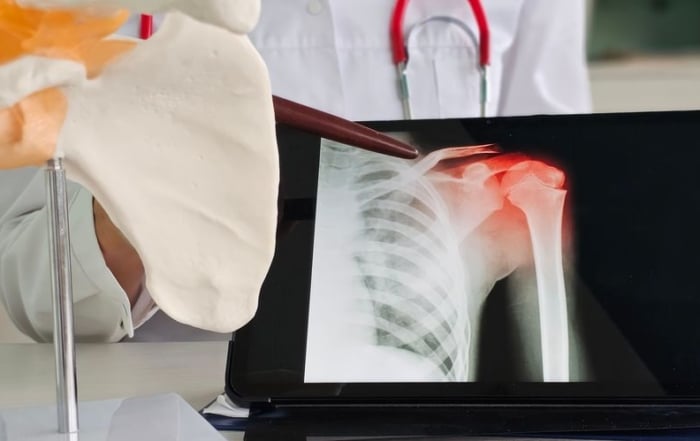
Collarbone Surgery: 3 Signs You Need Surgical Repair For A Clavicle Fracture
RIO Orthopedic2026-09-10T12:12:40-05:00September 10th, 2026|
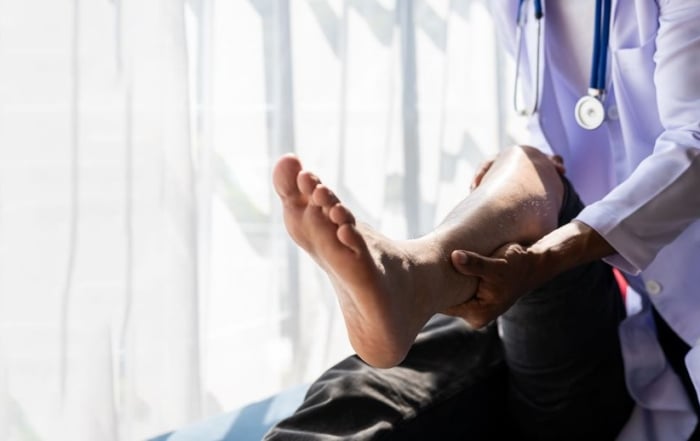
Achilles Tendon Repair Recovery: The Critical Role Of Physical Therapy
RIO Orthopedic2026-09-10T12:12:58-05:00September 3rd, 2026|

Meniscus Tear: Can This Common Knee Injury Heal Without Undergoing Surgery?
RIO Orthopedic2026-08-03T22:39:50-05:00August 28th, 2026|