
Is Exercise Helping Or Hurting Your Knees?
Everyone at some point experiences knee pain. Different factors including obesity increase the risk for joint pain. Exercise is usually the first recommendation for successful weight loss. However, knowing one’s total daily energy expenditure, or TDEE, can help. Reducing weight with exercise and TDEE could be the answer, but what if that does not work? The next step would be to see an orthopedic doctor.
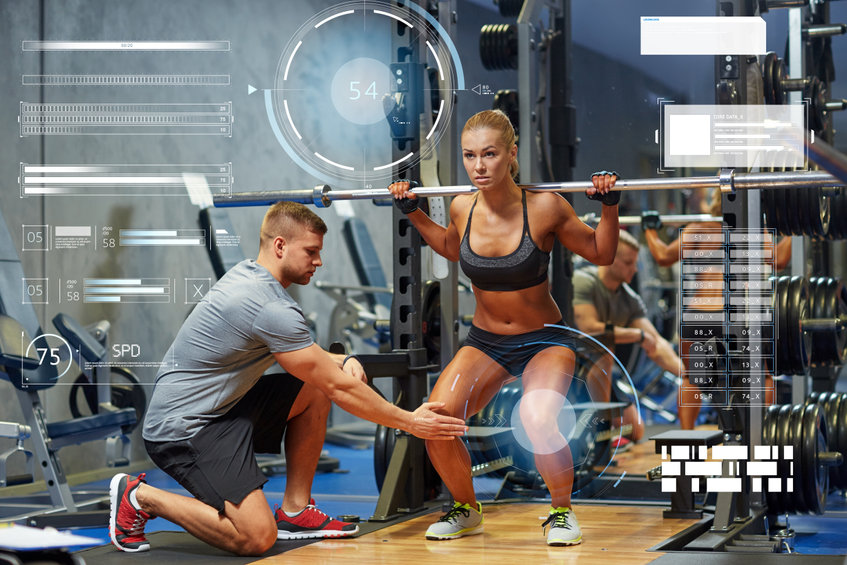
Benefits of knee exercises
Exercise helps relieve knee pain in 2 ways. Firstly by assisting with weight loss. Since knees carry most of the body’s weight, being overweight can cause strains and pain. Next, help decrease knee pain by strengthening the muscles around the knees while maintaining flexibility. Specific exercises like straight leg raises, wall squats, and side leg raises can help. The type and duration of exercises used would depend on the severity of the pain and the patient’s ability to move. Unfortunately, exercise alone cannot reverse all knee pain.
Understanding your total daily energy expenditure
All living things need the energy provided by food to function. This energy is measured in calories. For example, an apple has around 52 calories. The total daily energy expenditure measures how many calories some burns each day. TDEE combines several variables to come up with the overall measure. These include:
- Basal metabolic rate or how much energy the body burns at rest.
- Energy is used for the digestion and absorption of minerals.
- How many calories the body burns during physical activity
- The NEAT factor, or calories burned while walking upstairs, cleaning, or fidgeting in a chair.
The figure depends on age, gender, caloric intake, and activity level. The rate at which a person burns calories will differ for each person’s metabolism and lifestyle.
Benefits of TDEE
Knowing one’s TDEE can help with weight loss or gain. Losing weight requires reducing the intake of high-calorie foods. However, someone that is trying to gain weight would do the opposite. TDEE also focuses on eating healthy by ensuring an adequate intake of vitamins and minerals. This measure should serve as a guideline with body mass index (BMI) for optimal health and weight management.
Can exercise and TDEE reduce knee pain?
Unfortunately, excess body weight can cause additional strain on the knee cartilage and muscles. TDEE can help weight loss through a healthy diet, especially if pain imposes a challenge on exercising. When possible, adding knee exercises strengthens the muscles around the knee, which can help reduce pain. Combining training with fewer calories positively affects TDEE. The resulting weight loss takes pressure and inflammation off the knees. Inflammation in the joints is a leading cause of pain. For this reason, arthritis patients must make healthy lifestyle changes alongside medications or other forms of treatment.
When to consult an ortho doctor
Unfortunately, some cases of knee pain can’t be treated with exercise and TDEE alone. Knee pain caused by strenuous activity usually goes away with the RICE (rest, ice, compression, elevation) method or over-the-counter anti-inflammatory drugs. However, chronic pain, swelling, redness, tenderness, fever, and warmness around the joint could mean something worse. If experiencing these symptoms, it is recommended to schedule an appointment with an orthopedic surgeon.
How your orthopedic surgeon can help
Orthopedic surgeons are adept at diagnosing conditions of the joint. A series of stability tests, x-rays, and other scans will determine the root cause of the pain. For example, exercise may have exacerbated something that was already there. From there, the surgeon will recommend treatments like steroid injections or surgery. Most knee procedures are minimally invasive, meaning quick recovery and high success rates.
Keep knee pain from affecting your exercise
Constant knee pain can put a damper on anyone’s exercise plans. Sometimes, the pain is a signal to adjust TDEE. However, if this fails and the pain persists, see a doctor as soon as possible. Being proactive with a surgeon’s help can make exercise enjoyable and pain-free in the future.
Recent Blogs
Collarbone Surgery: 3 Signs You Need Surgical Repair For A Clavicle Fracture
RIO Orthopedic2026-09-10T12:12:40-05:00September 10th, 2026|
Achilles Tendon Repair Recovery: The Critical Role Of Physical Therapy
RIO Orthopedic2026-09-10T12:12:58-05:00September 3rd, 2026|

Meniscus Tear: Can This Common Knee Injury Heal Without Undergoing Surgery?
RIO Orthopedic2026-08-03T22:39:50-05:00August 28th, 2026|