
An Underlying Cause Of Back Pain
Is back pain, well, a pain? Join the line. More than 80% of Americans suffer from back pain. Many doctors believe that long periods of sitting may be behind the uptick in cases. And with millions of Americans working at home during the pandemic, these numbers will only get worse. But what’s behind back pain in the first place? More importantly, how can someone reduce the pain?
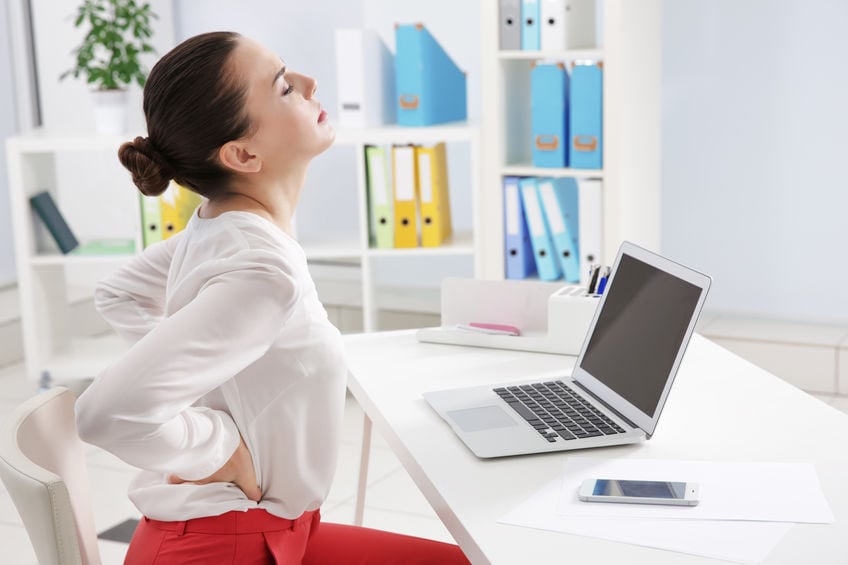
Sitting places us under pressure
Several decades ago, people around the world spent several hours moving and working on their feet. Now, especially with the digital age, Americans spend an average of 6.4 hours sitting behind computers, in meetings, and on phones. The body was not designed to sit for long periods. This activity places more pressure on the lower back than any other position. The bones and muscles of the lower back hold the weight of the upper body. After sitting for long periods, the weight can cause progressively worse back pain.
Poor posture makes things worse
Sitting for long periods is just part of the problem. Most persons practice poor posture, which exacerbates the issue. After an hour or two of sitting, most people slide the hips forward. Afterward, the head and shoulders roll forward to use the computer, book, or use the phone. Some people prop phones up with the shoulder, while men may sit on a wallet for several hours. These poor postures affect the lower back, mid-back, and neck.
Why you should be scared of sitting
After a time, the pressure and pain on the lower back won’t go away. Back pain can lead to long-term issues. For instance, the pain can turn into a herniated disc, bone spurs, or spinal stenosis. These conditions can place pressure on the spinal nerves, which can cause weakness and discomfort. In severe cases, the lower legs and arms can weaken. Some persons may even need surgery. Luckily, there are some steps to reduce the pain and chances of further injury.
Get moving!
The body is meant to move and be active. Physical activity improves blood flow, flexibility, pliability, and reduces inflammation. Exercise strengthens the back, core, and pelvic floor muscles, which can better support the back. Furthermore, being active removes the pressure on the spine and core muscles. To reduce pain, get up every 30 minutes and perform light back and neck stretches. If possible, set up the work environment with a standing desk or other devices to encourage movement.
Try activities that can reduce back pain
Stretching and moving during long periods of sitting is not enough. Physical activity before and after sitting is just as important. Exercise helps manage weight, strengthens bones, and reduces stress, all of which contribute to back pain. Seek advice from a physical therapist or trainer for the best exercises to improve posture and muscle strength. If possible, incorporate activities like yoga or Pilates that will enhance flexibility and pliability. These exercises are also known to reduce back pain.
Breaking the habit
Unfortunately for some, sitting for long periods is unavoidable. However, the habit can lead to pain and other long-term consequences. The excess pressure on the back and neck can decrease the quality of life. Investing in physical activity can prevent trips to the doctor, high medical bills, and lots of stress. Start with alternating sitting with movement. With the help of a trainer, doctor, or physical therapist, find exercises to keep back pain in check.
Recent Blogs

Collarbone Surgery: 3 Signs You Need Surgical Repair For A Clavicle Fracture
RIO Orthopedic2026-09-10T12:12:40-05:00September 10th, 2026|

Achilles Tendon Repair Recovery: The Critical Role Of Physical Therapy
RIO Orthopedic2026-09-10T12:12:58-05:00September 3rd, 2026|

Meniscus Tear: Can This Common Knee Injury Heal Without Undergoing Surgery?
RIO Orthopedic2026-08-03T22:39:50-05:00August 28th, 2026|