
Game-Changing Tips To Prevent Football Hand Injuries
Football season means tailgating parties, face painting with the team’s colors, and overall fun for fans. Still, the underbelly of football games is littered with career-ending injuries throughout the season, especially hand injuries. Hands are an integral part of the game, forcing players to play through the pain and worsening the problem.

The most common types of football hand injuries
Mallet finger and jersey finger are tendon injuries that prevent a person from straightening and bending the finger, respectively. Minor tendon injuries can heal with a splint, but serious injuries may require surgical intervention. Jammed fingers affect the middle joint caused by direct damage to the tip of the finger. Boxer’s fracture affects the pinky or ring finger.
How to play the game without hand injuries
Sometimes, hand injuries in football are inevitable despite using every prevention method available. To prevent hand injuries, football players should never wear clothing with pockets to avoid dangerous snags. Proper throwing, tackling, and landing techniques can also prevent hand injuries.
How to fall during a game
Football is synonymous with powerful tackles and hard falls. When taking a tumble, football players and any other athlete should avoid putting out a hand to cushion the fall. Instead, players should attempt to roll on the arm and shoulder. Learning how to absorb a tackle and fall safely can keep players in the game for longer.
Knowing when to call it quits
Football can become hyper-competitive to the point where players are playing through an injury. If a hand injury occurs, players should communicate with coaches, trainers, and parents to prevent further damage. An effective long-term competitive strategy may mean sitting out a few games to clinch the title during the playoffs.
How football hand injuries are treated
Football hand injuries can be alleviated with an ice pack. Players should keep the hand elevated so that the fingers are above the heart. Nonsteroidal anti-inflammatory drugs (NSAIDs) can help reduce pain. Regardless of the severity, a hand doctor can help create a treatment plan to avoid a limited range of motion and permanent damage. For more information about injury prevention, speak with an orthopedic specialist or hand therapist. v
Recent Blogs
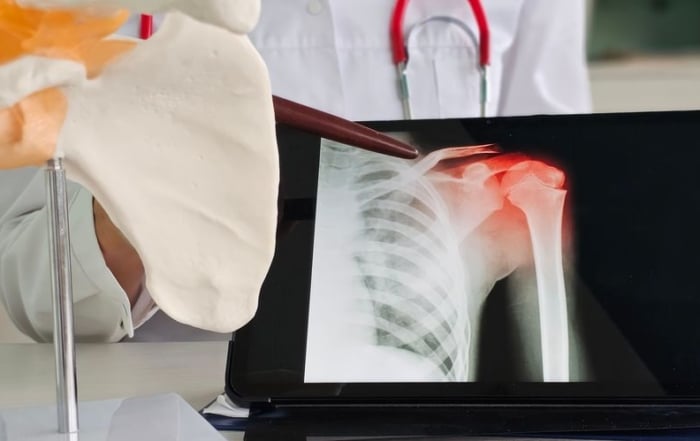
Collarbone Surgery: 3 Signs You Need Surgical Repair For A Clavicle Fracture
RIO Orthopedic2026-09-10T12:12:40-05:00September 10th, 2026|
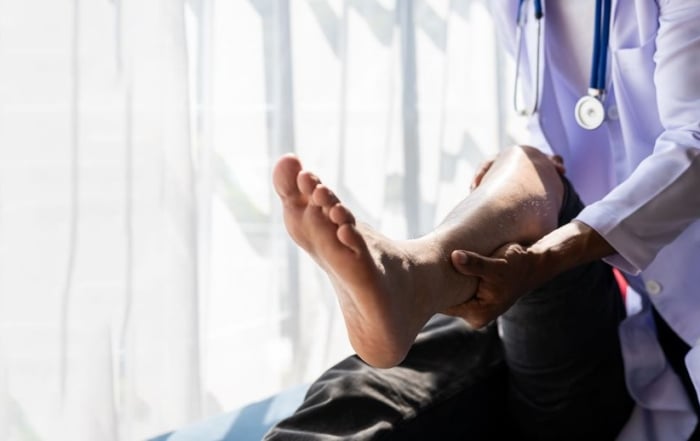
Achilles Tendon Repair Recovery: The Critical Role Of Physical Therapy
RIO Orthopedic2026-09-10T12:12:58-05:00September 3rd, 2026|

Meniscus Tear: Can This Common Knee Injury Heal Without Undergoing Surgery?
RIO Orthopedic2026-08-03T22:39:50-05:00August 28th, 2026|